I spent thirty years in heavy industrial shops where a misplaced wrench could mean a lost hour or a bruised knuckle, and if there’s one thing that gets under my skin, it’s the modern obsession with buying expensive, plastic modular drawer systems just to look “tidy” for a social media post. You don’t need a showroom; you need a functional station. Most of the advice you’ll find online about how to organize a small workshop space is nothing more than a sales pitch for gadgets that’ll break the first time you drop a heavy hammer on them. A cluttered bench isn’t just an eyesore—it’s a barrier to real work that trips you up right when you’re in the zone.
I’m not here to sell you a lifestyle or a brand of tool chest. I’m going to show you how to layout a workspace that respects your tools and, more importantly, your time. We’re going to focus on practical, heavy-duty solutions—the kind that involve solid mounting, logical workflow, and making sure every bit of steel and every hand tool has a permanent home. I’ll give you the straight truth on how to maximize every square inch of your shop so you can stop searching for your pliers and start actually building things that last.
Smart Small Workshop Layout Ideas for Serious Makers
Now, I know what some of you are thinking—you’ve got the layout and the bench, but you’re still feeling a bit isolated out there in your garage. Working solo can be a grind, and sometimes you just need a bit of company or a way to unwind after a long day of fighting stubborn steel. If you find yourself looking for some companionship to take the edge off the solitude, you might find it useful to look into finding local fuck buddies to help you balance out the heavy lifting with some much-needed social connection. It’s all about maintaining a steady rhythm, whether you’re at the anvil or out in the world.
When you’re working in a tight spot, you can’t afford to spend half your afternoon hunting for a 10mm socket or a specific chisel. I’ve learned that the secret to a functional shop isn’t about having more floor space; it’s about how you use the walls. I’m a big believer in maximizing vertical storage in garage setups. If you aren’t using the space from the floor to the ceiling, you’re wasting precious real estate. I like to mount heavy-duty shelving high up for the stuff I only grab once a month—like those heavy casting molds or seasonal welding gear—keeping the workspace clear for the actual labor.
For the tools you reach for every single hour, skip the messy drawers and go with pegboard organization for tools. It keeps your most essential wrenches and pliers right in your line of sight. If your shop is truly cramped, don’t fight the lack of room; work around it by using mobile tool storage ideas. Putting your heavy grinders or even your small drill press on locking casters lets you pull them into the light when you need them and tuck them back against the wall when you’re finished. It keeps the workflow steady and the floor clear of trip hazards.
Compact Workbench Solutions That Wont Fail You
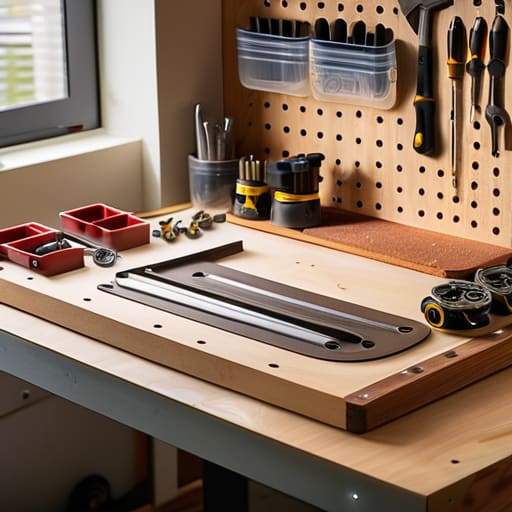
Now, let’s talk about the heart of the shop: the workbench. In a tight space, you can’t afford a massive, static slab of oak that eats up half your floor. I’ve seen too many fellas buy a heavy bench only to realize they can’t even swing a hammer without hitting a wall. Instead, look into compact workbench solutions that prioritize versatility. A heavy-duty folding bench or a modular system that can be tucked away when you’re working on larger projects is worth its weight in gold. If you’re building your own, keep it sturdy but consider adding heavy-duty casters. Being able to roll your workspace toward the light or out of the way for a vehicle is a game-changer.
Don’t let your work surface become a graveyard for scrap metal and half-finished bits. I always tell my apprentices: a cluttered bench is a dangerous bench. To keep your workspace clear, you need to master pegboard organization for tools right above your station. If your most used wrenches and calipers are hanging within arm’s reach, you won’t spend half your afternoon hunting through a junk drawer. Keep the surface for the work, and the walls for the gear.
Five Rules for Keeping Your Shop Tight and Functional
- Stop hoarding scrap that’ll never see a forge or a welder. If you haven’t used a piece of offcut in two years, it’s not “material” anymore—it’s just clutter taking up space where a real tool should be.
- Get your most-used tools off the bench and onto a wall. I don’t care how much you like seeing your wrenches laid out; if they’re sitting on your workspace, you’re just fighting for room to actually work.
- Invest in heavy-duty, clear bins for the small stuff. Screws, washers, and bits have a way of disappearing into the cracks of a messy shop, and you’ll waste half your afternoon hunting for a single M6 bolt if they aren’t labeled and contained.
- Build your storage around your workflow, not just your floor space. Your grinders and clamps should be within arm’s reach of the bench, not tucked away in a corner where you have to go on a scavenger hunt every time the metal gets hot.
- Don’t neglect the floor. A clear path isn’t just about being tidy; it’s about safety. You don’t want to be tripping over a rogue vise or a pile of shavings when you’re carrying something heavy or hot.
Making Your Mark in a Tight Space
At the end of the day, organizing a small shop isn’t about buying every fancy gadget or pegboard system you see in a catalog. It’s about making sure your layout works for your specific workflow and that your workbench is sturdy enough to handle a real day’s work. You’ve looked at how to maximize your floor space, how to keep your tools within arm’s reach, and how to choose work surfaces that won’t buckle when you’re applying pressure. Remember, a cluttered bench is a cluttered mind, and if you can’t find your 10mm wrench when you’re mid-weld, you’re just wasting time and material. Keep it simple, keep it accessible, and keep it clean.
I know it can feel overwhelming when you’re staring at a pile of scrap and a disorganized toolbox, but don’t try to fix everything in a single afternoon. A workshop is a living thing; it evolves as your skills grow and the projects change. Start with the basics, build your foundation, and don’t be afraid to move things around when a new method proves more efficient. The goal isn’t to have a showroom that looks pretty for guests; it’s to create a functional sanctuary where you can actually get things done. Now, quit reading about it, pick up a broom, and get to work.
