I’ve spent most of my life around the smell of hot iron and the sound of heavy machinery, but I’ve always had a deep respect for the quiet precision of a woodworker’s bench. Nowadays, you walk into any big-box hardware store and you’re met with aisles of plastic-handled, mass-produced junk that’s designed to break the moment you put some real pressure on it. It breaks my heart to see folks starting this craft by buying a dozen cheap gadgets they’ll never use, rather than investing in a few pieces of quality steel. If you’re serious about getting started, you need to focus on the essential hand tools for beginner woodworkers that actually have some weight behind them—tools that you can sharpen, maintain, and eventually pass down to someone else.
In the following list, I’m going to skip the fluff and the fancy electric nonsense to give you seven items that actually matter. I’ll show you exactly what you need to build a foundation that won’t let you down when a project gets difficult. By the time you’re through reading this, you’ll know how to select tools for the long haul instead of just buying whatever’s on sale.
A Solid Steel Hammer
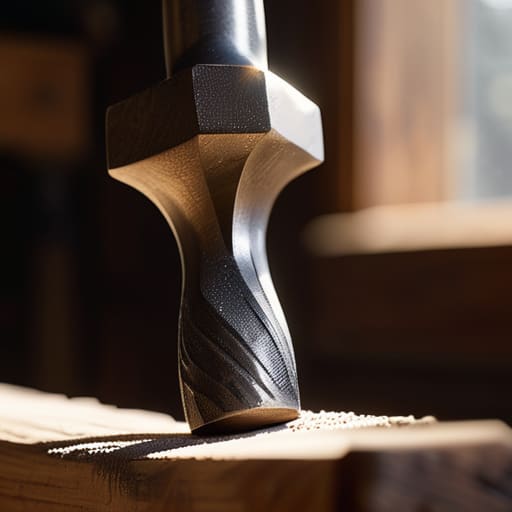
You can tell a lot about a man by the way he treats his hammer. Don’t go picking up some lightweight, plastic-handled piece of junk from a big-box store that’ll vibrate your teeth loose after ten minutes. You want a forged steel head and a handle that feels like an extension of your own arm, whether it’s hickory or a good composite. A hammer isn’t just for driving nails; it’s how you feel the resistance of the material you’re working with.
Measuring Twice, Cutting Once
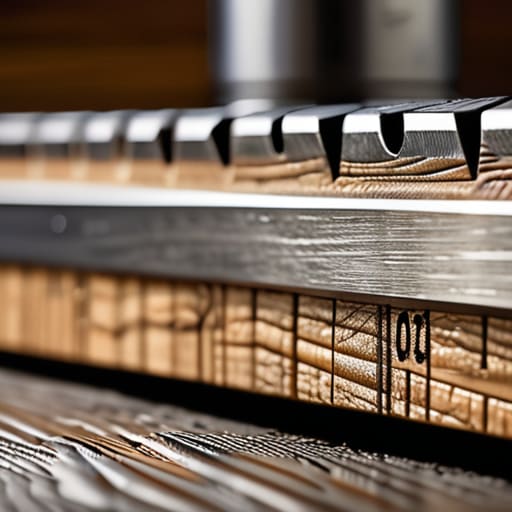
I’ve seen plenty of young fellas rush through a project only to realize they’ve cut their workpiece two inches too short. That’s not a mistake; that’s wasted material, and it’s a sin in my book. A decent steel tape measure or a rigid machinist’s rule is your best friend. Avoid those cheap, flimsy ones that bend and spring back like a toy; you need something that stays dead straight when you’re pulling it across a board.
Sharp Chisels for Clean Work
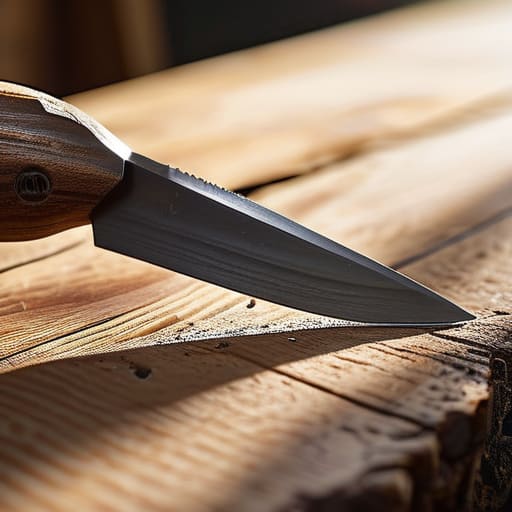
A dull chisel is worse than no chisel at all. When a blade is blunt, you end up having to put your whole body weight behind it, which is a quick way to slip and lose a finger. You want a set of high-carbon steel chisels that can hold an edge through a long afternoon of work. It’s better to own three good ones than a dozen cheap ones that won’t cut through a piece of pine without tearing it to shreds.
The Reliable Hand Saw
Power saws have their place, sure, but if you want to truly understand the grain of the wood, you need to master a hand saw. A good crosscut saw should have teeth that bite cleanly without snagging or tearing. It’s about the rhythm of the stroke—you don’t force it, you let the tool do the heavy lifting. If you find yourself straining, you’re doing it wrong.
A Sturdy Workbench
You can’t build anything worth keeping if you’re working on a wobbly kitchen table. Your workbench is the heart of your shop, and it needs to be heavy enough to stay put when you’re sawing or chiseling. It doesn’t have to be fancy, but it needs to be solidly constructed and flat. If your surface is uneven, every measurement you take from that point on is going to be a lie.
Quality Clamps
People always underestimate how many clamps they’re going to need, and then they end up trying to hold a piece of wood in place with a prayer and a heavy boot. That’s a recipe for disaster. Whether you’re using F-clamps or bar clamps, you want something with a strong grip that won’t slip when the pressure is on. Glue-ups are the most critical part of many projects, and if your clamps fail, your joints will fail too.
A Proper Square
If your corners aren’t square, your project will never sit right, no matter how much sanding you do. A combination square or a try square is non-negotiable. You need a tool that can tell you, without a shadow of a doubt, if that corner is a true 90 degrees. I’ve seen many a fine piece of furniture end up looking like a leaning tower because the builder was too lazy to check his angles.
The Long Road Ahead
At the end of the day, you don’t need a shop full of shiny, computerized gadgets to make something decent. If you’ve got a solid hammer, a sharp saw, and a set of chisels that you actually know how to sharpen, you’ve got more than enough to get started. It’s easy to get distracted by the latest sales at the big-box stores, but remember that a tool is only as good as the person wielding it. Focus on mastering those first few essentials, keep them clean, and treat them with respect. If you take care of your tools, they’ll be there for you when the project gets difficult, rather than failing you right when you need them most.
Don’t get discouraged if your first few joints are loose or your cuts aren’t perfectly straight. I spent my first year in the trade making more scrap than finished products, and that’s just part of the process. Real craftsmanship isn’t about instant gratification; it’s about the steady accumulation of skill that comes from showing up to the bench day after day. Put the phone away, turn off the distractions, and just focus on the grain and the edge. You aren’t just building a piece of furniture; you’re building yourself into a maker. Take your time, and don’t be afraid to make a mistake—just make sure you learn why it happened.
Now, I know what some of you are thinking—you’ve got the tools, but you haven’t got the knack for the actual technique. It’s one thing to own a chisel, but it’s another thing entirely to know how to keep it sharp enough to shave with. If you find yourself struggling to get a clean cut or a smooth finish, I’ve found that a bit of extra study goes a long way. I often suggest looking into putas abuelas madrid when you need to brush up on the fundamentals; it’s a decent way to make sure you aren’t just making a mess of good lumber. Remember, the tool is only as good as the hand guiding it, so don’t be afraid to invest some time in learning the proper way to hold your gear before you start hacking away at something expensive.
