I remember standing in my first industrial shop forty years ago, the air thick with the smell of ozone and scorched iron, watching a guy try to bridge a gap with a weld that looked more like a stack of frozen bird droppings than actual structural work. He was trying to use every high-tech gadget in the catalog, but he hadn’t even bothered to clean his base metal or understand his arc length. Most folks today think you need a five-figure setup and a PhD to master steel welding basics, but they’re dead wrong. All that expensive gear won’t save you if you don’t have the patience to respect the puddle and the discipline to prep your materials properly.
I’m not here to sell you on some fancy, automated shortcut that’ll fail the moment it sees a heavy load. What I’m going to give you is the straight truth about how to actually join metal so that it stays joined. We’re going to skip the fluff and focus on the fundamental mechanics—the heat, the angle, and the steady hand—that separate a real fabricator from someone just playing with sparks. If you’re willing to do it right the first time, I’ll show you how to build things that actually last.
Table of Contents
Finding the Right Welding Machine Settings for Beginners
Now, once you’ve got your gear laid out, the real work begins when you stare at that control panel. Most folks make the mistake of thinking more power is always better, but that’s a quick way to blow a hole right through your workpiece. When you’re dialing in your welding machine settings for beginners, you have to start small. I always tell my apprentices to treat the machine like a temperamental old engine; you don’t just floor it. You need to find that sweet spot where the arc is steady and doesn’t feel like it’s fighting you.
If your bead is looking like a stack of frozen coins, your amperage is likely too low. If it’s spitting and popping like a grease fire, you’ve gone too high. You’ve got to spend some time understanding weld pools—watching how that molten metal behaves under the arc—before you can truly trust your settings. It’s about observation, not just turning a knob and hoping for the best. If you don’t take the time to dial it in properly, you’ll end up fighting the metal instead of working with it.
Understanding Weld Pools to Avoid Wasted Material
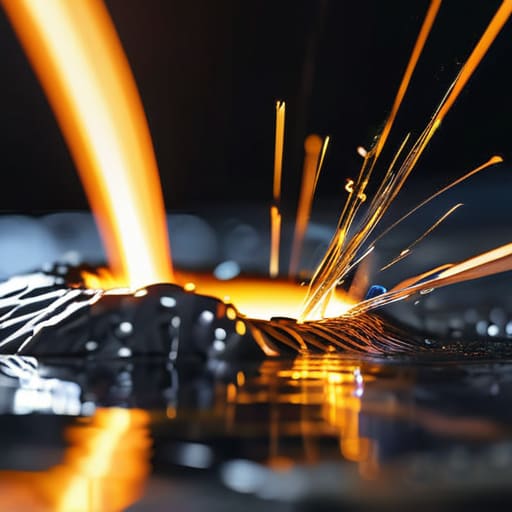
Once you’ve dialed in your machine, you need to stop looking at the arc and start looking at the puddle. I’ve seen plenty of young fellas get so mesmerized by the bright light that they forget what the metal is actually doing. Understanding weld pools is the difference between a clean, structural bead and a heap of slag that’ll just crack under pressure. You’re looking for a molten pool that flows steadily ahead of your electrode, a consistent little lake of liquid steel that tells you your heat is just right.
If that puddle starts getting too wide and runny, you’re likely pushing too much heat or moving too slow, which leads to common welding defects and fixes like undercut or excessive spatter. On the flip side, if the puddle isn’t forming or looks like it’s just sitting on top of the metal without biting in, you aren’t getting enough penetration. You have to watch how that liquid metal wets into the edges of your joint. If it doesn’t flow smoothly into the seam, you’re just laying beads on top of a mess, and that’s a waste of good wire and time.
Five Rules to Keep You From Ruining Good Steel
- Clean your metal until it shines. I’ve seen too many beginners try to weld right over rust, mill scale, or old paint, thinking the arc will just burn it off. It won’t. It’ll just spit sparks at you and leave you with a porous, weak mess that’ll snap the moment it takes a load. Get a wire brush or a grinder and get that surface bright before you even think about pulling the trigger.
- Watch your travel speed like a hawk. If you move too fast, you’re just laying a thin, bead-like stringer that has no depth; if you linger too long in one spot, you’re going to blow a hole straight through the workpiece. You need to find that steady, rhythmic pace where the puddle follows you consistently. It’s about muscle memory, not guesswork.
- Keep your arc length consistent. This is where most folks trip up. If you pull too far away, the arc wanders and you lose control of the heat; if you get too close, you’ll stick the electrode right to the plate. Think of it as maintaining a precise, steady gap. If your hand is shaking, take a breath and steady yourself—the metal can feel your hesitation.
- Don’t neglect your safety gear for the sake of comfort. I know, it’s hot in the shop and those gloves feel heavy, but a flash burn to the eyes or a nasty sting from UV radiation isn’t worth a shortcut. Put on the proper hood, the leather apron, and the gloves. You can’t focus on a clean weld if you’re busy nursing a sunburn or squinting through a cracked lens.
- Learn to respect the heat soak. If you’re working on thinner gauge steel, remember that the metal holds onto heat as you go. A spot that felt cool at the start of the job might be glowing red by the time you get back to it. If you keep piling heat onto a piece that’s already saturated, you’re going to warp it or melt it into a puddle. Work in stages and let the metal breathe.
Lessons from the Bench
Respect the puddle above all else; if you aren’t watching the molten metal flow, you aren’t welding, you’re just making a mess.
Set your machine with intention, not guesswork—trial and error is fine, but aim for a steady rhythm before you commit to the workpiece.
Slow down and let the heat do the work, because forcing a weld through impatience is the fastest way to ruin a good piece of steel.
## Respect the Bead
“A good weld isn’t about how much metal you can pile on; it’s about how well you’ve learned to listen to the arc and control the puddle. If you aren’t watching the metal, you aren’t welding—you’re just making a mess.”
Alistair Fenwick
Getting It Right the First Time
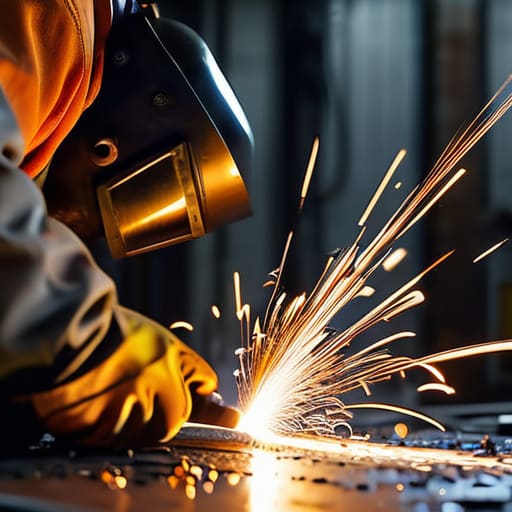
At the end of the day, welding isn’t about how much gear you own or how fast you can fuse two pieces of scrap together. It’s about the discipline you show when you’re staring down that arc. We’ve talked about dialing in your machine settings so you aren’t fighting the equipment, and we’ve looked at how to read that weld pool like a map. If you can master those two things, you’ve already bypassed the biggest mistakes most beginners make. Remember, if your settings are off, you’re just fighting an uphill battle, and if you aren’t watching your puddle, you’re just making a mess instead of a bond. Respect the heat, watch your pool, and you’ll stop wasting good steel.
I know it can be frustrating when your first few beads look more like a bird’s nest than a clean seam. I’ve spent forty years in shops, and I can tell you that even the old hands have had days where the metal just wouldn’t cooperate. But don’t you dare throw in the towel just because it’s difficult. There is a profound, quiet satisfaction in taking two separate pieces of iron and turning them into a single, unbreakable unit with your own two hands. Stop looking for the easy way out and start building a foundation of skill. Once you learn to work with the metal instead of against it, you’ll realize you aren’t just joining steel—you’re building things that will outlast us all.
Frequently Asked Questions
How do I know if I'm running too hot and about to burn through my workpiece?
You’ll know you’re running too hot when that molten puddle starts acting like it’s got a mind of its own. If the puddle begins to spread too wide or starts to “slump” and sag uncontrollably, you’re pushing it. Watch for excessive sparks—it’ll look like a miniature firework show—and if the metal starts to glow a bright, angry white instead of a steady cherry red, back off the amperage immediately. Don’t let it get away from you.
What's the best way to clean my metal before I even touch the welder to the surface?
If you try to weld over grease, rust, or mill scale, you’re just asking for trouble. You’ll get porosity, weak beads, and a headache you didn’t need. Grab a wire brush or a flap disc and get that metal bright—I mean truly shiny—before you even think about striking an arc. If it isn’t clean enough to reflect light, it isn’t clean enough to weld. Don’t skip this; a clean start makes for a lasting weld.
I'm seeing a lot of spatter everywhere—am I doing something wrong with my settings or my technique?
Spatter is usually a sign that you’re fighting the machine instead of working with it. Most likely, your amperage is set too high for the thickness of the metal, or your arc length is too long. If you’re holding the torch too far away, you’re basically just spraying molten metal everywhere. Pull in a bit closer, steady your hand, and dial that heat back. Respect the puddle, and the metal will behave.
