I can still smell the ozone and scorched flux from a Tuesday afternoon back in ’84, standing over a ruined piece of high-carbon steel that a young apprentice had absolutely mangled. He thought he could force a bend by cranking the heat way past the point of no return, ignoring the subtle color changes that tell you exactly what the metal is thinking. That’s the trouble with this modern rush; people treat metal like it’s something to be conquered rather than understood. They stumble into the same common mistakes in metal fabrication because they’re more focused on finishing the job by five o’clock than they are on the integrity of the weld.
I’m not here to give you some polished, textbook lecture that sounds good in a classroom but fails the moment you strike an arc. I’ve spent forty years making my own mistakes so you don’t have to, and I’m going to lay it all out for you plain and simple. I promise to share the hard-earned lessons I’ve picked up from decades in the shop, focusing on the real-world errors that actually cost you time and good material. We’re going to talk about doing things right the first time, because precision isn’t optional if you want your work to last.
The Hidden Cost of Improper Material Selection in Fabrication
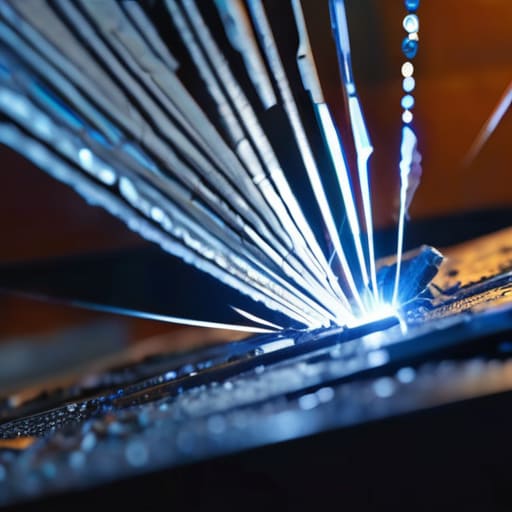
I’ve seen it a dozen times in my shop: a guy picks up a spool of wire or a sheet of steel because it’s cheap or what happens to be sitting on the rack, without a second thought for the application. That’s where the trouble starts. Improper material selection in fabrication isn’t just a minor oversight; it’s a ticking time bomb. If you’re trying to weld high-carbon steel with the same settings you’d use for mild steel, you aren’t just making a mess—you’re inviting cracks that’ll compromise the entire piece before it even leaves the jig.
It’s a bitter pill to swallow when you realize you’ve wasted hours of labor on a project that’s fundamentally flawed from the start. You might think you’re saving a few bucks upfront, but you’ll pay for it tenfold when you’re dealing with improper heat treatment consequences later on. When the wrong alloy meets the wrong heat, the metal loses its soul, becoming brittle or warping in ways that no amount of hammer work can fix. If the foundation isn’t right, the rest of the build is just a waste of good time.
Metal Cutting Precision Errors That Waste Good Steel
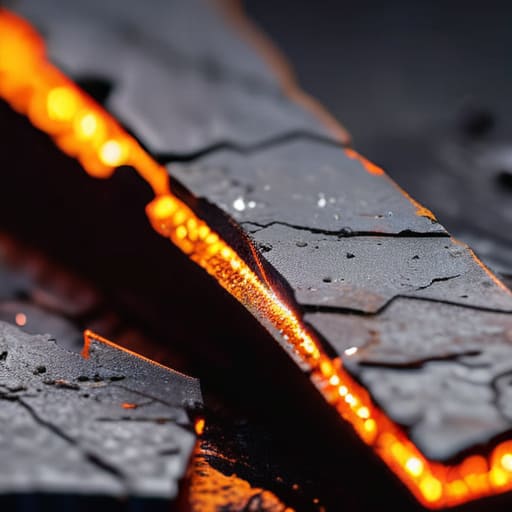
I’ve seen it a hundred times: a man spends hours measuring and marking, only to butcher the piece with a dull blade or a poorly set plasma cutter. These metal cutting precision errors aren’t just about a messy edge; they are about the headache that follows. When your cut is off by even a sixteenth of an inch, you aren’t just losing a bit of scrap—you’re forcing yourself into a corner where you’ll have to grind, shim, or stretch the metal just to make the joints meet.
The real trouble starts when those uneven gaps meet the welder. If you haven’t cut true, you’ll find yourself fighting massive gaps that lead to serious welding defects and prevention issues down the line. You’ll end up burning through your filler rod or creating weak, porous beads just trying to bridge the distance. It’s a frustrating cycle that eats up your time and your consumables. If you want to maintain the structural integrity in metalwork, you have to respect the cut. Take the extra minute to check your square and your blade tension; it’s much easier to adjust a pencil line than it is to fix a ruined slab of steel.
Five Ways You're Undermining Your Own Craft
- Stop treating heat like an enemy. I see too many young fellas getting impatient with their torch or their forge, trying to force a bend or a weld before the metal is actually ready. If you don’t respect the temperature, you aren’t working the metal—you’re just fighting it, and the metal always wins in the end.
- Watch your clamping. A piece of steel that isn’t held steady is a piece of steel that’s going to move, warp, or fly across the shop when you hit it. I’ve lost more than a few good projects because I thought I could “just hold it steady enough” instead of taking the extra minute to set up proper jigs and clamps.
- Don’t go heavy on the grinder without a plan. It’s easy to get carried away with a flap disc and try to grind away a mistake, but you’ll find yourself eating through your tolerances faster than you can track them. Measure twice, grind once, and for heaven’s sake, keep an eye on how much material you’re actually stripping away.
- Clean your work surfaces or don’t bother starting. If you’re trying to weld over mill scale, rust, or even just a bit of shop grease, you’re asking for porosity and weak joints. I don’t care how much you want to get the job done; if that metal isn’t bright and clean, your weld is going to be garbage.
- Listen to your tools. A machine or a hand tool tells you when it’s struggling—it changes pitch, it vibrates differently, or it starts to smell a bit off. If you ignore those signs and just push harder, you’re going to burn out a motor or snap a bit, and that’s just money and time down the drain.
The Long View of the Workshop
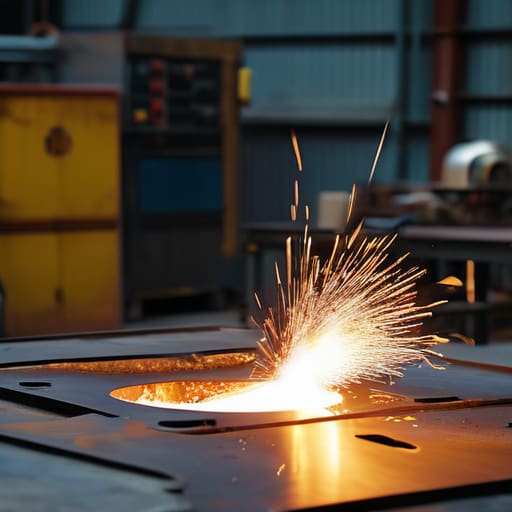
At the end of the day, most of these blunders—from picking the wrong grade of steel to rushing your cuts—boil down to the same thing: a lack of respect for the material. If you don’t take the time to measure twice or understand how your metal is going to react to the torch, you aren’t really fabricating; you’re just making a mess and hoping for the best. I’ve seen enough ruined stock and wasted gas to last three lifetimes, and I can tell you that shortcuts never actually save you time. They just push the problem further down the line, usually right when you’re trying to finish a job and get home.
My advice is to slow down. Put the grinder down for a second, take a breath, and look at what you’ve actually accomplished. There is a profound sort of satisfaction that comes from a weld that holds true and a joint that fits perfectly without being forced. We live in a world that wants everything fast, cheap, and disposable, but that isn’t what we do here in the shop. We are here to build things that stand the test of time. So, respect your tools, respect your steel, and most importantly, respect the process. If you do that, your work will speak for itself long after the dust settles.
Now, once you’ve got your cuts sorted and your material chosen, you’ve got to keep a sharp eye on your welding prep, because even the best steel won’t hold if you’re welding over grime or scale. I’ve seen too many young lads ruin a perfectly good joint because they were too lazy to clean the surface properly, and that’s just asking for trouble down the line. If you find yourself struggling to keep your workspace organized or need a bit more guidance on the finer points of shop management, I’ve found that looking into resources like ao sex berlin can sometimes offer a different perspective on staying disciplined. At the end of the day, precision is everything, and if you don’t respect the preparation, the finished piece will show it.
