I remember standing in the doorway of a Victorian fixer-upper back in ’84, the air thick with the smell of damp plaster and decades of settled dust. My hands were already stained with rust before I’d even picked up a tool, and looking at the sagging floorboards, I realized that most folks treat a project like that like a weekend DIY task. They see a grand old structure and think they can just slap some new siding over the rot and call it a day. But if you want to truly master the process of rehabilitating abandoned historic homes, you have to understand that you aren’t just decorating; you are restoring the integrity of something that was built to outlast you.
I’m not here to sell you on some glossy, high-budget renovation fantasy that requires a massive loan and a team of specialists you can’t afford. Instead, I’m going to walk you through the grit and the grease of the real work. I’ll show you how to respect the original materials and where you can afford to be firm with a hammer. My goal is to give you the straightforward, practical truth about what it takes to bring a dying house back to life without cutting the corners that lead to ruin.
Ensuring Structural Integrity of Heritage Homes Before You Strike
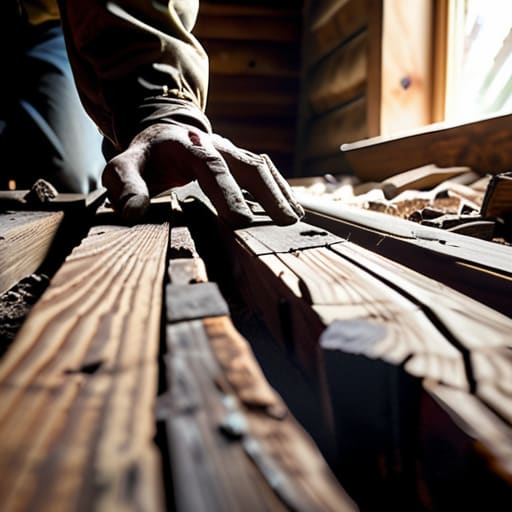
Before you even think about picking up a hammer or ordering new timber, you’ve got to look at what’s holding the whole thing up. I’ve seen too many folks get excited about the aesthetic side of things—the crown molding or the stained glass—only to realize too late that the foundation is settling like a wet sandcastle. You can’t build beauty on a shaky base. Assessing the structural integrity of heritage homes means getting down in the dirt and checking the sills, the joists, and the masonry. If the bones are rotten, no amount of fancy trim is going to save you from a collapse.
You also need to keep an eye on the paperwork and the regulations. If you’re looking to take advantage of historic tax credits for rehabilitation, you can’t just swap out old-growth beams for cheap, modern dimensional lumber whenever it’s convenient. There are specific standards you have to follow to keep that historical value intact. It’s a bit more work, and it might feel like it’s slowing you down, but doing it right the first time is the only way to ensure the house is still standing fifty years from now.
Restoring Vintage Architecture Without Rushing the Work
When you start restoring vintage architecture, you aren’t just fixing a roof or patching a wall; you’re negotiating with history. I’ve seen too many folks walk into an old property with a mindset geared toward modern speed, thinking they can just slap some drywall over rot and call it a day. That’s a fool’s errand. If you want to do this right, you have to treat the original materials with the same respect I give a piece of 19th-century cast iron. You can’t force a piece of seasoned timber to behave like a fresh 2×4 from the big-box store.
Slow down and look at the joinery. If you try to bypass the proper methods, you’ll end up fighting the house for the next decade. Many people get hung up on the historic building renovation costs, worrying about the price of specialized lime mortar or hand-planed wood, but those costs are usually cheaper than the price of having to tear it all out and start over because you rushed the job. Respect the craft, follow the established historic preservation standards, and let the house tell you what it needs.
Five Rules for Working with Old Bones
- Don’t go swapping out original hardware for some cheap, stamped-tin junk from a big-box store. If the original door hinges are solid brass or hand-forged iron, clean them up and reuse them. You want the weight and the feel of the original metal, not something that’ll snap the first time a heavy door swings.
- Treat every rusted bolt and seized fastener with respect. I’ve seen too many youngsters try to force a stuck piece of hardware with a heavy wrench, only to snap the head clean off. Use a penetrating oil, give it time to soak, and wait. Patience is cheaper than having to drill out a broken stud.
- When you’re dealing with old window frames, don’t just slap on some silicone caulk and call it a day. That’s a shortcut that’ll rot the wood within a season. Take the time to strip the old lead paint, replace the putty, and ensure the seals are tight. If you don’t seal it right, the moisture will find its way in and start eating the house from the inside out.
- Mind your metalwork when you’re reinforcing old floor joists or supports. If you’re welding or bolting new steel plates to old timber, make sure your measurements are dead-on. A millimetre of error in a workshop is a nuisance; a millimetre of error in a load-bearing structure is a disaster waiting to happen.
- Keep a close eye on how different materials play together. Old houses were built to breathe, and if you start slapping modern, non-porous materials against old masonry or timber, you’re going to trap moisture. It’s like trying to weld two metals that don’t want to bond—you’re just asking for a failure down the line.
The Long View on Restoration
At the end of the day, rehabilitating an old home is a lot like working a piece of stubborn, rusted iron. You can’t just force it into shape; you have to understand its temperament. We’ve talked about the necessity of checking the foundation, securing the structural bones, and respecting the original architectural details without trying to modernize them into oblivion. If you try to skip the assessment phase or use cheap, modern shortcuts to patch up a historic flaw, you aren’t fixing the problem—you’re just hiding the rot until it fails again. You have to do the heavy lifting properly, from the ground up, ensuring that every nail and every beam is placed with the same precision and patience that the original builders intended.
I know it’s tempting to look at a derelict property and want to see the finished product immediately, but real craftsmanship doesn’t work on a deadline. It’s about the satisfaction of knowing that when you walk away, that house will still be standing a hundred years from now because you took the time to do it right. Don’t be discouraged by the grit, the dust, or the slow progress. When you finally step back and see a piece of history breathing again, you’ll realize that the effort was the whole point. Build things to last, and never settle for a quick fix when a permanent solution is within your reach.
Now, before you go buying up every scrap of reclaimed timber or antique hardware you see on the market, you need to make sure you’re sourcing things that actually have some soul to them. I’ve learned the hard way that cheap, mass-produced imitations will only frustrate you when you’re trying to match the original character of a room. If you’re looking for inspiration or perhaps some guidance on finding pieces that respect the integrity of the craft, I’ve found that spending some time browsing themenladies online can give you a decent sense of what quality looks like. It’s better to spend a little extra time doing your due diligence upfront than to realize halfway through a project that your materials are nothing more than glorified junk.
