I remember sitting in my garage ten years ago, staring at a ruined piece of 6061 alloy that I’d managed to turn into a glorified piece of Swiss cheese. I thought I knew what I was doing because I’d spent years working steel, but aluminum is a different beast entirely—it’s temperamental, it hides its impurities, and it’ll bite you if you don’t treat it with respect. Most folks think learning how to weld aluminum safely at home is just about buying a fancy machine and flipping a switch, but that’s a recipe for wasted material and burnt knuckles. If you don’t understand how that heat travels or how quickly that oxide layer forms, you aren’t welding; you’re just making a mess.
I’m not here to sell you on some expensive, high-tech gadgetry that you don’t actually need. Instead, I’m going to walk you through the real, gritty fundamentals of managing heat soak, cleaning your metal until it shines, and setting up a workspace that won’t leave you gasping for air. We’re going to focus on the discipline of preparation so that when you finally strike that arc, you’re doing it with confidence rather than luck.
Guide Overview
Tools & Supplies
- AC TIG Welder with high frequency capability
- Welding Helmet with appropriate shade rating
- Stainless steel wire brush for oxide removal
- Angle grinder with flap discs
- PPE including leather gloves and apron
- Aluminum welding rods (matching base metal)
- Argon shielding gas (high purity)
- Aluminum workpiece (scrap pieces for practice)
- Acetone for cleaning metal surface
Step-by-Step Instructions
- 1. First thing you need to do is clear your workspace of any clutter that could catch a stray spark. Aluminum is a bit of a different beast than steel; it’s more sensitive to contamination. Make sure you’ve got a clean, stable bench and that you aren’t working near anything flammable like sawdust or old rags. I always tell my apprentices: if your shop is a mess, your weld will be a mess too.
- 2. Once the area is clear, you’ve got to get that metal clean—and I don’t mean “wipe it down with a rag” clean. You need to strip away that oxide layer that forms on the surface almost immediately. Use a dedicated stainless steel wire brush that you haven’t used on any other metal, otherwise, you’re just rubbing impurities back into the work. If you don’t scrub it until it shines, you’re going to struggle with arc stability and end up with a porous, weak bead.
- 3. Check your machine settings and your gas flow. For home setups, you’re likely using TIG or a specialized MIG, so make sure your shielding gas—usually pure argon—is flowing steady and without any leaks. I’ve seen too many fellas try to “make do” with a low flow rate just to save a few bucks on a tank. You’ll end up with oxidized, blackened welds that look more like burnt toast than proper craftsmanship.
- 4. Now, get your safety gear on and don’t skimp on it. Aluminum reflects light differently than steel, and that UV radiation can get to you faster than you think. Make sure your helmet is set to the correct shade for the amperage you’re pulling. I keep a piece of sandpaper in my pocket to smooth out my workbench edges, but I keep my eyes behind a proper lens at all times. It’s not worth a trip to the hospital to save a minute of setup.
- 5. When you’re ready to strike the arc, remember that aluminum is a massive heat sink. It pulls the heat away from the weld zone faster than almost any other common metal. You can’t just hover there; you need to get that puddle moving with purpose. Start with a bit more heat than you think you need to get things flowing, but don’t get greedy with the pedal or the trigger, or you’ll blow a hole right through your workpiece.
- 6. As you move along, keep a close eye on the puddle. You’re looking for a consistent, fluid movement. If the puddle starts looking grainy or uneven, you’ve likely got contamination or your heat is inconsistent. If that happens, stop, clean the area again, and restart your prep. There’s no sense in trying to weld over a mistake; you’re just burying a problem that will show up later when the part fails.
- 7. Once you’ve finished the run, let the metal cool naturally. I know it’s tempting to dunk a hot piece into a bucket of water to speed things up, but that’s a quick way to introduce stress fractures. Let the air do the work. A craftsman knows that patience is just as important as the hammer or the torch when it comes to making something that actually lasts.
Proper Aluminum Welding Safety Equipment for the Real Craftsman
Now, listen close, because the gear you wear is just as important as the machine you’re running. When you’re dealing with aluminum, you aren’t just fighting the arc; you’re dealing with a metal that reflects light like a mirror. I’ve seen too many fellas walk away with a nasty “sunburn” on their face because they used a cheap, dark lens that couldn’t handle the glare. You need a high-quality auto-darkening helmet specifically rated for the intensity of TIG welding aluminum. And don’t go thinking a thin pair of leather gloves will do. Aluminum gets hot, and it stays hot. Invest in heavy-duty, gauntlet-style gloves that offer more than just basic protection; you need something that lets you feel your torch without risking a nasty contact burn.
Beyond your skin, you’ve got to think about what you’re breathing. Aluminum doesn’t produce the same heavy smoke as steel, but once you start cleaning it with solvents or hitting it with a torch, things get messy. Proper ventilation for home welding isn’t a luxury; it’s a necessity. I always keep a high-velocity fan positioned to pull the fumes away from my face, never pushing them right into my breathing zone. If your garage is tight, consider a dedicated fume extractor. It’s about more than just being comfortable—it’s about making sure you can show up to the workshop again tomorrow.
Preventing Aluminum Weld Contamination Before You Strike an Arc
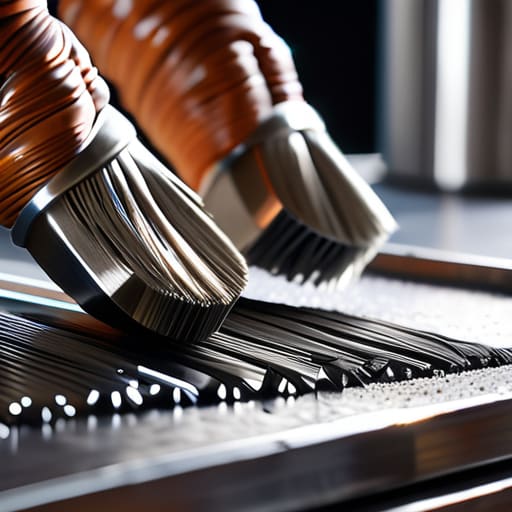
You can have the most expensive machine in the shop, but if your base metal is dirty, you’re just blowing bubbles into a puddle of slag. Aluminum is a bit of a prima donna compared to steel; it grabs onto oxides and oils like they’re part of the family. Before you even think about touching that tungsten to the work, you need to get aggressive with your cleaning. I always tell my apprentices that cleaning is half the job. Use a dedicated stainless steel wire brush—and for heaven’s sake, don’t use one that’s been used on carbon steel, or you’ll just be embedding iron into your workpiece.
Beyond the brush, keep an eye on your environment. Even the oils from your own skin can cause issues if you’re handling the pieces right before you start. When you’re preventing aluminum weld contamination, you’re fighting a constant battle against the invisible. I also make it a point to check my workspace for any stray debris or grease that might catch a spark. It’s not just about the quality of the bead; it’s about respecting the material enough to give it a clean slate.
Five Hard-Won Lessons for Working with Aluminum
- Watch your ventilation like a hawk. Aluminum doesn’t just sit there; it spits out fumes that’ll make your head spin if you’re breathing them in a cramped garage. If you aren’t pulling that smoke away from your face, you aren’t working, you’re just poisoning yourself.
- Keep your workspace bone-dry. I’ve seen too many fellas get careless with a damp rag or a humid shop floor. Moisture is the enemy of a clean arc, and in aluminum, that translates to instant porosity and a weld that looks like Swiss cheese.
- Don’t trust your eyes alone when checking for heat soak. Aluminum pulls heat away from the weld zone faster than almost any other metal you’ll handle. If you think it’s cool enough to touch because it looks dull, you’re likely about to give yourself a nasty burn.
- Manage your machine’s settings before you even pick up the torch. Aluminum is finicky and demands a different approach than steel. If you’re constantly fiddling with the amperage mid-weld because you didn’t plan ahead, you’re going to lose control and end up blowing a hole right through your workpiece.
- Respect the brightness. The arc on aluminum is significantly more intense than what you’re used to with mild steel. If you find yourself squinting or feeling that sting in your eyes, your shade is too low. Don’t be a hero and risk a flash burn just to save a trip to the tool crib for a better lens.
A Final Word Before You Strike the Arc
At the end of the day, welding aluminum isn’t about having the most expensive machine in the garage; it’s about the discipline you bring to the bench. Remember that success lives in the details you often want to skip. If you take the time to strip that oxide layer clean, respect your ventilation, and never bypass your safety gear just because you’re in a hurry, you’re already ahead of half the hobbyists out there. Don’t let a lack of patience turn a simple repair into a pile of scrap metal. If you treat the preparation with as much respect as the weld itself, you’ll find that the metal starts to behave much more predictably.
I’ve seen plenty of folks walk away from the torch because they got frustrated with a messy bead or a stubborn piece of alloy, but that’s just part of the learning curve. Real skill isn’t born in a manual; it’s earned through the callouses on your hands and the steady rhythm of a well-executed bead. Keep your workspace organized, keep your mind focused, and build things to last. There is a profound kind of satisfaction in looking at a piece of metal you’ve joined yourself and knowing it’s strong enough to stand the test of time. Now, get back to work.
Now, I know that even with the right gear and a clean surface, you’re still going to run into those stubborn moments where the puddle just won’t behave or your settings feel a bit off. When I hit a wall like that, I don’t just guess and burn through the workpiece; I go find someone who’s been under the hood longer than I have. If you’re looking for a place to trade troubleshooting tips or just want to talk shop with folks who understand the nuances of the craft, I’ve found that joining some of the chat rooms in UK can be a lifeline for a solo welder. There’s no substitute for real-world experience, and sometimes a bit of collective wisdom is the best tool in your chest.
