I remember standing over a rusted-out 1950s lathe back in my apprentice days, the smell of damp iron and old grease heavy in the air. I had been told by some high-priced consultant that I needed a specialized ultrasonic scanner just to figure out if the bed was still sound, but that was a load of rubbish. Most folks today think you need a degree in metallurgy or some fancy digital sensor for proper corroded metal identification, but they’re just blowing smoke to sell you a gadget you don’t need. If you can’t tell the difference between surface scale and deep pitting just by running your thumb over the grain, you aren’t really looking at the metal at all.
I’m not here to give you a lecture filled with textbook jargon that won’t help you when you’re actually standing at the workbench. Instead, I’m going to show you how to use your eyes, your hands, and a bit of common sense to master corroded metal identification the right way. We’re going to strip away the guesswork so you can learn to spot the real decay before you waste a single minute of heat or a single ounce of good material.
Table of Contents
Distinguishing Truth From Deception Identifying Rust vs Patina
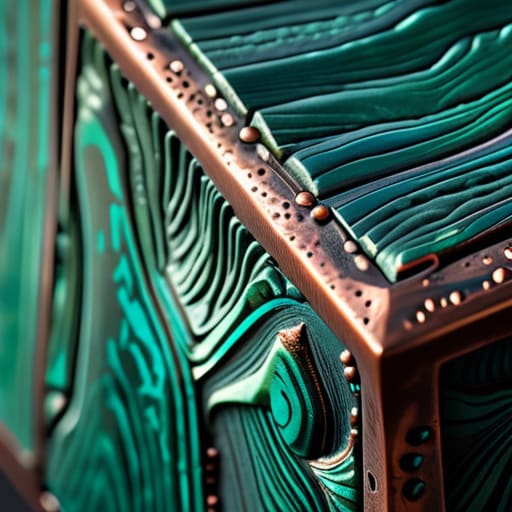
Now, this is where a lot of folks get tripped up, especially when they’re looking at something old and thinking it’s a treasure. You’ll see a dark, even coating on a piece of copper or even some old steel, and you might call it “character.” But you need to learn the difference between a stable patina and actual decay. A true patina is a protective layer; it’s a controlled form of oxidation that actually sits there and shields the metal underneath from further harm. If you run your hand over it and it feels smooth, almost like a skin, you’re likely looking at something that’s settled into a stable state.
If that surface feels gritty, or if it starts flaking off under your fingernails, you aren’t looking at history—you’re looking at active destruction. When I’m doing a surface degradation assessment on a client’s tool, I always look for those telltale orange or bright red flakes. That’s the real enemy. Unlike a patina, which stays put, rust is hungry; it eats deeper into the core with every passing season. Don’t let a bit of superficial color fool you into thinking the metal is sound. If you can’t tell, scratch a tiny bit away with a file and see if the metal underneath looks healthy or if it’s already pitted.
Reading the Story Told by Oxidation Patterns in Metals
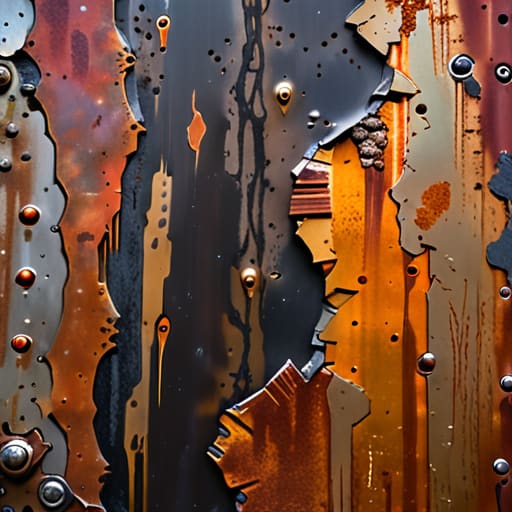
Metal doesn’t just rot; it tells you exactly how it’s been treated. When I’m looking at a piece of salvaged steel, I don’t just see orange flakes; I look at the way those oxidation patterns in metals spread across the surface. If you see a tight, uniform layer of dark oxide, that’s usually a sign of stable aging. But if you see bubbling or “blistering” under a layer of paint, you’ve got something much more sinister going on. That’s the metal eating itself from the inside out, and if you don’t catch it, you’re just polishing a corpse.
You also have to pay attention to the texture. A smooth, even coat of oxidation suggests the piece has been sitting in a stable environment, whereas deep, pitted craters tell a story of salt air or constant moisture. This kind of surface degradation assessment is what separates a hobbyist from someone who actually knows their way around a workshop. You can’t just sand your way out of every problem; you have to understand if the decay is shallow or if the structural integrity of the piece has already been compromised.
Five Ways to Tell if Your Metal is Dying or Just Aging
- Use the fingernail test. If you run your nail across the surface and it catches on something flaky or crumbly that comes away like dried mud, you aren’t looking at a surface stain; you’re looking at structural rot that’s eating into the core.
- Listen to the ring. If you’re working with something like an old cast-iron skillet or a heavy tool, give it a light tap with a small hammer. A healthy piece of metal has a clear, ringing tone, but if it sounds dull and thuddy, that’s a sign the internal integrity has been compromised by deep-seated corrosion.
- Watch the edges for “pitting.” Don’t just look at the color; look at the texture. If the metal looks like it’s been peppered with tiny craters or holes, that oxidation is aggressive. Once you see those pits, you know the damage isn’t just skin-deep.
- Check the “bleed.” If you see orange or reddish streaks running down a piece of metal or onto the surface beneath it, the corrosion is active and moving. It’s a warning sign that the oxidation process is still in full swing and hasn’t stabilized.
- Look for the scale. If you see thick, heavy layers of dark, crusty material that look like they could be peeled off in chunks, you’re dealing with heavy scale. This isn’t something you can just sand away with a bit of grit; it’s a sign that the metal has been neglected for far too long.
The Bottom Line Before You Strike
Don’t mistake a thin layer of patina for a deep-seated problem, but never assume a bit of surface rust is harmless; take the time to scratch a tiny spot to see if the metal underneath is still solid.
Pay attention to the shape of the decay, because pitting and uneven holes tell you the metal is losing its structural integrity, whereas uniform oxidation is often just a surface-level nuisance.
Stop and think before you start grinding or heating; if you don’t correctly identify the type of corrosion you’re facing, you’ll end up destroying more good material than you actually saved.
## Listen to the Metal
You can’t just look at a piece of iron and decide it’s fine because it looks old; you have to learn to see the difference between a surface that’s aged gracefully and a piece that’s rotting from the inside out, because once that decay gets deep, no amount of sanding is going to save it.
Alistair Fenwick
Knowing When to Fight and When to Fold
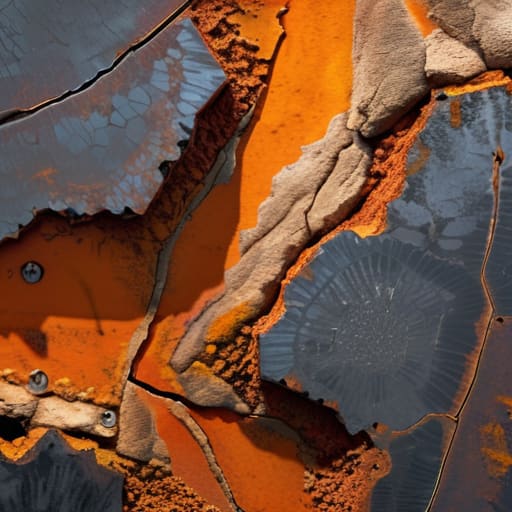
At the end of the day, identifying corrosion isn’t just about checking off a list; it’s about understanding the integrity of the grain. You’ve learned to tell the difference between a surface patina that adds character and that deep, flaky rot that eats through the core. You’ve seen how the pattern of oxidation tells you exactly where the moisture has been hiding and how much time you have left to act. Remember, if you try to sand away a pit that’s already gone deep into the metal, you aren’t fixing anything—you’re just polishing a corpse. Take your time to assess the damage properly before you ever strike a spark or pick up a grinder.
There is a certain kind of satisfaction in saving something that the rest of the world would have tossed straight into a scrap bin. When you look at a piece of rusted iron and see the potential for a tool that will outlive us both, you’re practicing a craft that demands patience and respect. Don’t let the modern urge to just “buy new” get the better of you. Every piece of metal has a story, and if you have the eyes to read it and the hands to mend it, you’re keeping a vital tradition alive. Build it right, fix it well, and make it last.
Frequently Asked Questions
How can I tell if the pitting in this old cast iron is just surface-level or if the structural integrity is actually compromised?
You can’t just look at it; you’ve got to feel it. Take a thin needle or a small pick and probe those pits. If the metal feels solid and the pick just catches on a rough edge, you’re likely looking at surface-level pitting. But if that pick sinks in or you feel a “give,” that’s a deep crater eating into the core. If the pitting is deep and interconnected, leave it be—it’s no longer a tool, it’s a liability.
Is there a way to stop the oxidation from spreading once I've cleaned off the loose rust, or am I just delaying the inevitable?
Look, if you just clean the surface and walk away, you’re just giving the rust a head start. You aren’t just delaying the inevitable; you’re inviting it back. Once that metal is bare, it’s hungry to react with the air again. You’ve got to seal it. Depending on what you’re working on, that means a good coat of boiled linseed oil, a dedicated wax, or a primer if it’s structural. Don’t leave it naked.
When I'm looking at a piece of vintage steel, how do I know if that dark coating is a protective layer I should preserve or just more rot hiding underneath?
Take a fingernail or a stiff wire brush to it. If that dark coating flakes off in brittle, orange-tinted chunks, you’re looking at active rot that’s eating the core. A real patina—the kind you want to keep—will feel smooth, almost like it’s part of the metal itself, and won’t budge with a bit of pressure. If it feels like loose scales, stop right there; you’ve got decay, not character.
