I remember standing over a vintage lathe back in ’84, trying to pull a stubborn fastener out of a custom housing, only to realize the “professional grade” set I’d bought the week before had just cammed out the screw head. There’s a specific, sickening feeling when you feel the metal slip and realize you’ve just turned a five-minute fix into a three-hour nightmare of drilling and tapping. Most folks think they can just wander into a big-box store, grab a shiny plastic case with fifty pieces, and call it a day, but they’re usually just buying a collection of expensive scrap metal. If you’re serious about your work, learning how to choose the right screwdriver set isn’t about finding the most pieces; it’s about finding the right geometry and steel.
I’m not here to sell you on some fancy brand name or a kit that promises to fix everything from your kitchen sink to your car engine. I’m going to show you how to look past the marketing fluff and identify the tools that actually belong in a working man’s chest. We’ll talk about tip hardness, handle grip, and why quality over quantity is the only rule that matters when you’re staring down a stripped screw.
Understanding Types of Screwdriver Tips and Their Real Value
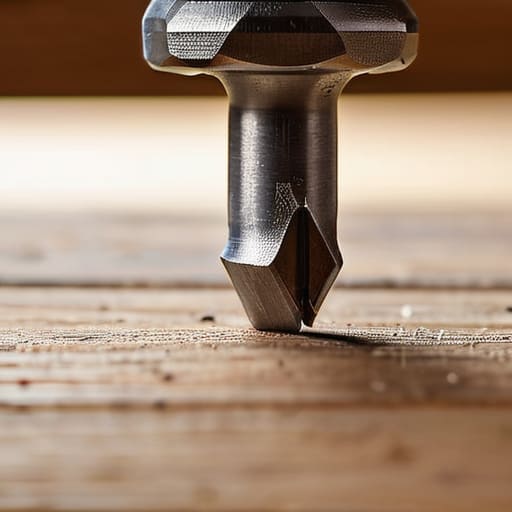
Now, don’t go thinking every tip is created equal. I’ve seen plenty of fellas ruin a perfectly good fastener because they tried to force a mismatch. The most common debate you’ll run into is phillips vs slotted screwdriver use, but it goes deeper than that. A Phillips head isn’t just a cross; it’s designed to cam out under high torque to prevent over-tightening, whereas a flathead is a blunt instrument that’ll slip and gouge your workpiece if you aren’t careful. You need to know exactly what’s sitting in front of you before you apply any pressure.
If you’re working on anything delicate, like a vintage radio or a modern circuit board, don’t even bother with the heavy-duty stuff. You’ll need precision screwdriver sets for electronics that won’t mar the small components. For the rest of the heavy lifting, pay attention to the metallurgy. I always look for high-carbon steel or S2 tool steel; anything less is just going to strip the moment it hits resistance. A good tip should feel solid, not hollow, and it should seat firmly into the screw head without any wiggle room.
Phillips vs Slotted Screwdriver Picking Tools That Wont Strip
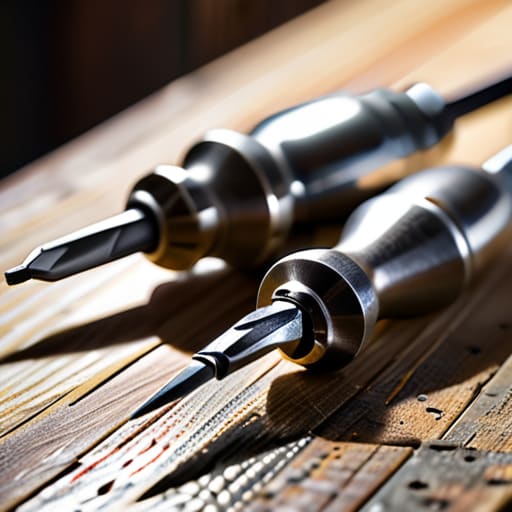
Now, let’s talk about the two heavy hitters you’ll encounter in almost every job: the Phillips and the slotted. In my years in the shop, I’ve seen more ruined screw heads than I care to count, usually because someone tried to force a Phillips head into a slot, or worse, used a tip that didn’t quite seat right. When you’re weighing phillips vs slotted screwdriver options, you have to realize they serve completely different masters. A slotted driver is old-school and simple, but it’s easy to slip and gouge your workpiece. A Phillips is designed to “cam out” to prevent over-tightening, but if you use a worn-out tip, you’ll strip that head clean in seconds.
If you’re looking for the best screwdriver sets for home DIY, don’t settle for those cheap, soft-metal kits that bend the moment they hit resistance. Look for tips made from high-quality S2 steel. I always prefer a bit of magnetism—magnetic vs non-magnetic screwdriver tips is a debate, but when you’re working in a tight corner, a little pull on the screw saves a lot of swearing. Just make sure the fit is tight; if there’s any wiggle room, walk away.
Five Rules for Picking a Set That Won't Let You Down
- Look for hardened steel, not just “chrome-plated” junk. If the tip isn’t rated for high-torque use, you’ll find yourself grinding the head down to a useless nub the first time you hit a stubborn screw.
- Check the handle grip before you buy. I don’t care how fancy the packaging looks; if that handle feels slick or cheap in your palm, you won’t have the control needed to prevent a slip that scars your workpiece.
- Prioritize tip fit over quantity. A set with twenty mediocre drivers is a waste of drawer space; I’d much rather have a smaller, high-quality selection where every single tip seats perfectly into the screw head.
- Avoid sets with flimsy, thin shafts. You need enough weight and rigidity in the tool to transfer your strength directly to the fastener without the metal bending or twisting under pressure.
- Watch out for “universal” claims. There’s no such thing as one tool that does everything well. If a manufacturer promises a single set covers every possible job from delicate electronics to heavy machinery, they’re selling you a lie.
Don't Settle for Less Than Quality
At the end of the day, choosing a screwdriver set isn’t about finding the most pieces for the lowest price; it’s about ensuring you have the right geometry for the job. You’ve learned that a cheap, poorly machined tip is nothing more than a recipe for a stripped screw and a wasted afternoon. Whether you are reaching for a precision driver for a delicate piece of machinery or a heavy-duty driver for a structural repair, remember that the fit between the tip and the fastener is everything. Invest in sets that feature high-quality steel and handles that won’t slip when your hands get sweaty or greasy. If you take the time to buy tools that actually match the hardware they are meant to turn, you’ll find that half the battle is already won before you even apply torque.
I’ve spent a lifetime seeing folks walk into a workshop with a drawer full of junk that does more harm than good. It’s a frustrating way to work, and it’s a disservice to the materials you’re handling. My advice is simple: treat your tools with respect, and they will respect you in return. When you buy a set that is built to last, you aren’t just buying a way to turn a screw; you are investing in the ability to maintain and repair your own world. Stop looking for the quick fix and start building a collection of tools that you can actually rely on. Build it right, tool it right, and you won’t have to do the job twice.
Now, if you find yourself staring at a pile of hardware and realizing you’re still missing that one specific bit, don’t go running to the local big-box store just to grab some flimsy, unbranded junk. I’ve learned the hard way that a mismatched driver is the quickest way to ruin a perfectly good fastener. If you want to get serious about building a kit that actually holds up under pressure, I’ve found that browsing this platform is a decent way to find the right specifications without the guesswork. It’s better to spend a little extra time searching for the exact tool you need than to spend an afternoon fighting a stripped screw because you were too impatient to get the proper fit.
