I’ve spent most of my life working with things that don’t change their minds—steel, iron, and heavy timber. You hit a piece of metal with a hammer, and it stays where you put it. But I’ve noticed lately that people treat living things like they’re just more disposable decor, buying a lush green fern only to let it rot on a windowsill because they followed some fancy, overpriced instruction manual. If you’re looking for a beginner guide to indoor plant care that promises a magical spray or a “smart” gadget to do the work for you, you can turn around right now. I don’t care for the hype; I care about understanding the mechanics of how a thing actually lives.
I’m not here to sell you on aesthetic trends or expensive potting mixes that are mostly just fluff. What I’m going to give you is a straightforward look at the fundamentals: light, water, and soil, treated with the same respect you’d give a well-maintained tool. We’re going to build a foundation for your greenery that is built to last, focusing on the steady, patient work required to keep something thriving rather than just surviving.
Selecting Best Beginner Friendly Houseplants That Wont Quit
Now, once you’ve got your soil sorted and your plants settled, you need to keep a sharp eye on the environment they’re living in, because even the hardiest greenery will fail if the conditions aren’t right. It’s a lot like setting up a workshop; you can have the best tools in the world, but if your lighting is dim and your ventilation is choked, nothing is going to work the way it should. I’ve found that staying connected to a community of people who share your interests is the best way to pick up the little tricks that books miss. For instance, if you’re looking for ways to expand your social circle or find specific types of connections, checking out swingerkontakte online can be a way to find like-minded folks, much like how I find value in joining local trade guilds to keep my skills sharp. Just remember, whether you’re tending to a fern or building a steel frame, consistency is everything.
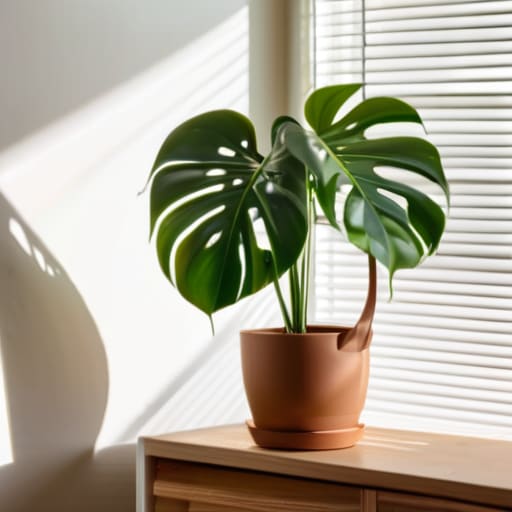
Now, I know what you’re thinking. You’re looking at those lush, tropical displays in the magazines and thinking you can just replicate that overnight. You can’t. If you’re just starting out, you need to pick your “materials” wisely, much like I’d choose a specific grade of steel for a structural weld. You don’t want something finicky that’ll crack under the slightest pressure. I always tell folks to start with the best beginner friendly houseplants—the kind that have some grit. A Snake Plant or a ZZ Plant are your heavy lifters here; they don’t care much if you forget them for a week, and they handle low light indoor plants conditions better than most.
Don’t go buying some high-maintenance exotic just because it looks fancy on a shelf. Those are the equivalent of trying to weld thin aluminum when you’ve never even held a torch. You want something sturdy that can withstand a bit of neglect while you’re still figuring out your watering schedule for houseplants. Get yourself a Pothos or a Spider Plant. They’re forgiving, they grow steady, and they’ll give you the confidence to actually learn the craft without the heartbreak of a dead leaf every Tuesday.
Mastering Indoor Plant Soil Requirements for a Solid Foundation
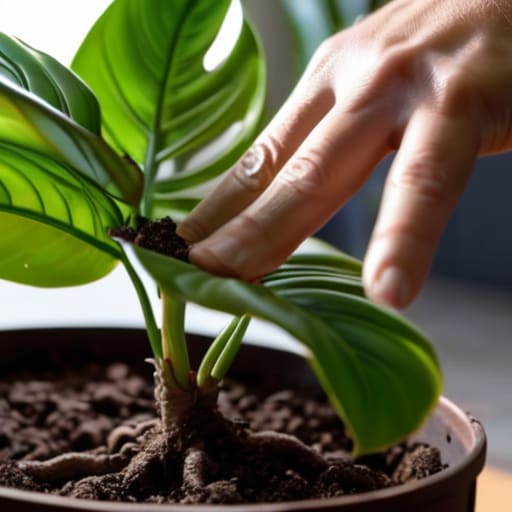
Now, don’t go thinking you can just grab a bag of dirt from the garden center and call it a day. In my shop, if I use cheap, contaminated steel for a weld, the whole structure fails eventually. It’s the same with your greenery. If you ignore the specific indoor plant soil requirements for your particular species, you’re just setting yourself up for a mess. You need a medium that drains well; if that soil stays heavy and sodden like wet clay, you’ll rot the roots before you even realize there’s a problem.
Think of the soil as the foundation of a heavy machine. It needs to provide stability and the right environment for growth. Most folks make the mistake of using soil that’s too dense, which suffocates the roots. If you’re working with low light indoor plants, they often need even more careful attention to drainage since they aren’t processing water as quickly. Get your mix right from the start—mixing in some perlite or coarse sand for aeration—and you won’t be constantly fighting a losing battle against decay.
Stop Treating Your Plants Like Disposable Trinkets: 5 Rules for Real Growth
- Don’t go chasing a schedule just because a calendar tells you to; learn to read the material. Stick your finger an inch into the soil to feel the moisture yourself. If it’s damp, leave it be. If you water on a rigid timer without checking the actual condition, you’re just asking for root rot.
- Drainage isn’t optional—it’s a structural necessity. If your pot doesn’t have a hole at the bottom, you’re building a trap for stagnant water. I’ve seen enough rusted-out metal to know that standing water ruins everything it touches, and the same goes for your plant’s roots.
- Light is the fuel that drives the whole operation. You wouldn’t expect a forge to run without coal, so don’t expect a plant to grow in a dark corner. Figure out which way your windows face and match your plant to the light it actually needs, not where it looks best on your coffee table.
- Watch for the signs of wear and tear. Yellowing leaves or drooping stems are just like a hairline crack in a weld—they’re warning signs that something in the system is failing. Don’t ignore them; find the source of the stress before the whole thing collapses.
- Patience is your best tool in the shop and in the garden. You can’t force a plant to grow faster by dumping more fertilizer on it, just like you can’t force steel to harden by rushing the quench. Let the process happen at its own pace, and do it right the first time.
Getting the Job Done Right
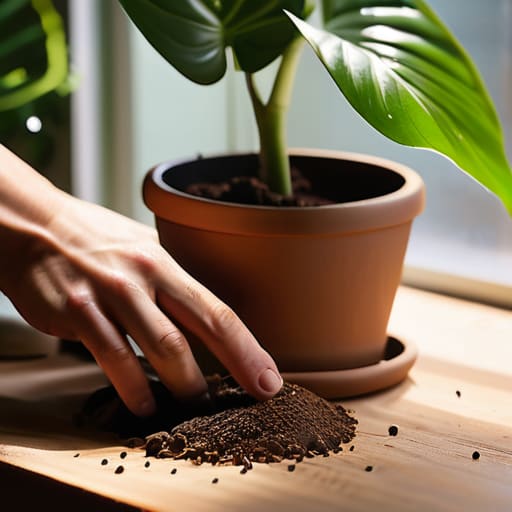
At the end of the day, keeping a plant alive isn’t about luck or having a “green thumb”—it’s about following a proper process. You’ve learned that you can’t just pick any random shrub and expect it to thrive; you need to select the right species for your environment and, just as importantly, give them a solid foundation with the right soil. If you skimp on the substrate or ignore the specific needs of your plant, you’re just setting yourself up for a failure down the line. Treat your indoor garden like a piece of custom fabrication: measure twice and cut once, or in this case, observe the leaves and the soil moisture before you make your next move.
I know it might feel a bit tedious at first, watching a pot of dirt wait for its turn, but that’s where the real skill is built. In my shop, the best pieces come from the men who weren’t afraid to slow down and respect the material. Gardening is no different. It requires a steady hand and a bit of patience, but there is a deep, quiet satisfaction in seeing something grow because you did the work to sustain it. Don’t go looking for a quick fix or a magic spray; just stick to the fundamentals, keep your tools clean, and build something that actually lasts.
