I remember sitting in my old shop back in the nineties, staring at a copper piece I’d spent three days treating, only to watch the finish turn into a blotchy, uneven mess within a week. I’d used some fancy, expensive chemical cocktail I’d read about in a glossy magazine, thinking I could skip the hard work of proper surface preparation. That was my first real lesson in metal patina longevity: you can’t buy a shortcut in a bottle. If you don’t respect the chemistry and the base metal, all that money you spent on specialty aging agents is just wasted material sitting in the scrap bin.
I’m not here to sell you on some miracle spray or a complicated process that requires a laboratory setup. What I want to do is show you how to do this right, the way we used to do it when things were actually built to last. I’ll be sharing the honest, grit-under-the-fingernails methods I’ve picked up over forty years to ensure your finishes actually hold their character instead of peeling off like cheap paint. We’re going to talk about real stability, proper sealing, and why patience is the most important tool in your kit.
Table of Contents
Dont Rush the Heat Mastering Patina Color Stability
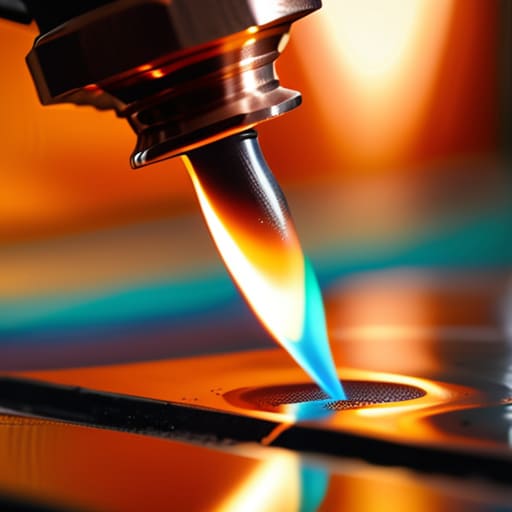
Now, if you’re working with copper or brass, you’ll be tempted to crank up the torch to speed things along. I’ve seen plenty of young fellas do exactly that, thinking they can force the metal to behave. That’s a mistake. If you don’t manage your temperature with a steady hand, you’ll end up with a blotchy, uneven mess that won’t hold its color. Achieving true patina color stability requires you to watch the metal’s surface like a hawk; you want a slow, even transition of hues, not a sudden flash of heat that burns the finish before it even sets.
Once you’ve reached the shade you’re after, the real work begins. You can’t just walk away and hope for the best. You need to understand the chemistry of what’s happening on that surface to ensure you’re actually preventing metal corrosion rather than just masking it. If the underlying oxidization isn’t controlled, that beautiful color will flake off within a month. I always tell my apprentices: respect the cooling process as much as the heating. A controlled cool-down is the secret to making sure that finish stays put for the long haul.
Weathering Metal Finishes Without Losing the Soul of the Piece
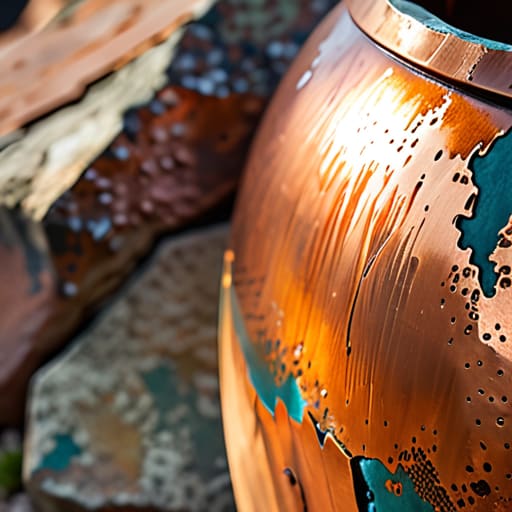
Now, when you take a piece out of the shop and let it face the elements, you’re essentially entering a contract with nature. If you’re working with something like a copper vessel, you have to decide if you want a controlled look or if you’re letting the sky do the heavy lifting. Most folks get nervous when they see the first signs of green or brown, but that’s just the metal breathing. The trick to weathering metal finishes without turning a masterpiece into a rusted hunk of junk is knowing when to step in. You aren’t trying to stop time; you’re just trying to guide it.
If you want to keep that specific shade you worked so hard to achieve, you can’t just slap on any old spray from the hardware store. I’ve seen too many apprentices ruin a perfectly good job by using a cheap protective sealant for metal that peels off in six months, leaving ugly, patchy spots. If you want real stability, look into high-quality microcrystalline waxes. They offer a way of preventing metal corrosion while still letting the metal maintain its character. It’s about balance—protecting the soul of the work without suffocating it under a plastic-looking layer.
Five Ways to Stop Your Patina from Turning into a Mess
- Stop the salt. If you’re working on something that’s going to sit near a coast or in a damp garage, you’ve got to seal it right. I’ve seen too many men spend weeks getting a perfect copper bloom only to watch it turn into a crusty green mess in a single season because they were too lazy to apply a proper microcrystalline wax.
- Respect the surface prep. You can’t just slap a chemical patina onto a piece of metal that’s still got oils from your fingerprints or a layer of shop dust on it. If the metal isn’t surgically clean, that finish isn’t going to bond; it’s just going to sit on top like a cheap coat of paint, ready to flake off the moment you look at it sideways.
- Watch your temperature swings. If you’re finishing something that’s going to live outdoors, remember that metal breathes. Extreme heat followed by a sudden freeze can cause micro-cracks in certain chemical patinas. I always tell my apprentices: if the environment is going to be harsh, your finish needs to be even tougher.
- Don’t over-buff. There’s a temptation to take a buffing wheel to a piece once the patina is set because you want it to shine. Don’t do it. You’ll burn right through the color you just worked so hard to achieve. If it’s too dull for your liking, use a fine cloth and some gentle pressure, but leave the heavy machinery in the corner.
- Keep a maintenance kit handy. A patina isn’t a “set it and forget it” job. Every few months, take a look at the piece. If it’s looking dry or faded, a light application of high-quality wax will bring the depth back and add a fresh layer of protection. It’s better to spend ten minutes waxing a piece than ten hours trying to re-do a ruined one.
The Bottom Line on Making it Last
Respect the drying and curing times; if you try to seal a finish before the metal has truly settled, you’re just trapping moisture underneath and inviting rust to do the work for you.
Choose your sealant based on the environment, not the aesthetics, because a cheap spray can’t stand up to real-world grit and moisture the way a proper wax or oil can.
Constant maintenance is better than a total overhaul; a little bit of regular care keeps a patina stable, whereas ignoring it will lead to a messy, uneven decay that’s a nightmare to fix.
## Respect the Process
“A patina isn’t something you just slap on top of a piece of metal like a coat of cheap paint; it’s a living skin. If you try to force the color or skip the prep work, that finish will flake off the moment it sees a bit of real weather. You have to give the metal time to settle into its new state, or you’re just creating more scrap for the bin.”
Alistair Fenwick
Making It Last
At the end of the day, a lasting patina isn’t about luck; it’s about the discipline you show during the preparation and the patience you exercise during the aging process. We’ve talked about why you can’t rush the heat to get those colors to set, and why you have to respect the elements when you’re letting a piece weather naturally. If you skip the prep work or try to force a finish with chemical shortcuts, you’re just setting yourself up for a mess that will flake and peel before the season is out. Remember, true longevity comes from understanding the metal you’re working with, not from trying to outsmart it.
I’ve spent more years than I care to count watching people toss out perfectly good iron just because they didn’t know how to maintain a finish. Don’t be one of them. When you take the time to do things the right way—the slow, steady way—you aren’t just making a piece of metal look old; you’re giving it a history. There is a deep, quiet satisfaction in looking at a tool or a piece of hardware and knowing it’ll still be sitting on your workbench fifty years from now because you respected the craft. Now, quit reading and get back to your shop. The metal isn’t going to treat itself.
Frequently Asked Questions
How do I know if my patina is actually stable or if it's just going to flake off the first time it gets damp?
The best way to tell is the “rub test.” Take a clean, dry cloth and give the surface a firm rub. If you see any color transferring onto the rag, your finish isn’t set. It should feel like part of the metal, not like a layer of paint sitting on top. If it flakes or powders under your thumb, you didn’t let it cure properly or your chemical balance was off. Don’t move to sealing until it’s stable.
Is there a way to stop a patina from getting too dark if I've left it out in the elements for too long?
If it’s gone too dark, you’ve likely let the oxidation run unchecked. You can’t just “stop” it once it’s deep in the pores, but you can pull it back. Grab some fine-grade steel wool or a light abrasive pad and gently work the surface. You aren’t trying to strip it bare—just knock off those heavy, dark oxides. Once you’ve leveled it out, seal it with a high-quality wax or oil immediately. Otherwise, you’re just inviting the dark back in.
Should I be using a wax or an oil to seal the finish, or will that just trap moisture underneath and cause real rust?
That’s the million-dollar question, isn’t it? If you go with a heavy oil, you’re essentially inviting moisture to sit in the pores and rot the metal from the inside out. I prefer a high-quality microcrystalline wax. It creates a breathable barrier that keeps the dampness away without trapping it. Just make sure the surface is bone-dry and warm before you apply it. If you rush the prep, you’re just sealing in a future headache.
