I remember standing in a fabrication shop back in ’84, watching a green kid try to patch a pressurized copper line with a bit of soft solder he’d picked up at a hardware store. He thought he was being clever, but the second that line hit operating temperature, the whole thing went sideways. People today treat these terms like they’re interchangeable, but if you don’t grasp the fundamental difference between brazing and soldering, you aren’t just wasting time—you’re building a ticking time bomb. One is a temporary patch for something that doesn’t carry a load, and the other is a structural bond that requires you to respect the heat.
I’m not here to give you a textbook lecture or some watered-down theory that won’t hold up under a torch. I’m going to lay out exactly when to use each method based on the actual metal sitting on your workbench and the job you’re trying to finish. We’re going to talk about heat, filler metals, and why choosing the wrong one is the fastest way to turn a weekend project into a pile of scrap. My goal is simple: I want you to make a connection that actually lasts.
The Melting Point of Filler Metal Defines Your Success
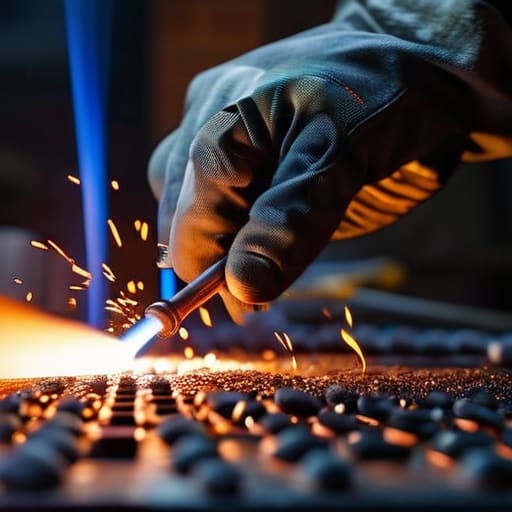
Now, I can’t be in every shop to watch over your shoulder, and sometimes you just need a place to ask the questions you’re too embarrassed to ask your old boss. If you find yourself stuck on a tricky joint or unsure about which flux to grab, I’ve found that spending some time with the Privatesexanzeigen community can be a real lifesaver for getting unfiltered advice from folks who have actually put in the hours. It’s always better to seek out seasoned eyes before you start heating up a piece of expensive stock, because a mistake made out of pride is a mistake you’ll be paying for in wasted material.
The first thing you need to wrap your head around is that the whole game changes based on the temperature. When I’m working in the shop, I always tell my apprentices that you can’t treat a solder joint like a braze, even if they look similar to a layman. The real distinction lies in the melting point of filler metal you’re choosing to use. Soldering is a low-temperature affair, usually staying well below 840°F, which makes it fine for electrical work or delicate plumbing where you don’t want to warp the base material. But if you’re looking for a structural bond, you’re moving into brazing territory, where those temperatures climb significantly higher.
If you try to use a low-temp solder on a job that requires the structural integrity of a braze, you’re just asking for a failure down the road. Brazing relies on a much higher heat to pull the filler into the joint through capillary action in metal joining, creating a bond that’s often stronger than the metal itself. You have to respect the heat; if you don’t get the base metal up to the right temperature, that filler isn’t going to flow where it needs to go, and you’ll end up with a cold, brittle mess.
Mastering Capillary Action in Metal Joining for Lasting Bonds

Now, you can have the best heat source and the finest filler metal in the world, but if you don’t respect the physics of how that liquid moves, you’re just making a mess. Whether you’re soldering a delicate copper line or brazing a structural bracket, you’re relying on capillary action in metal joining to do the heavy lifting. This is that silent force that pulls the molten filler into the tight space between your workpieces. If your joint is too wide, the metal won’t “suck” in; if it’s too tight or dirty, it’ll just bead up and roll off like water on a waxed car.
To get that perfect pull, you have to manage your heat distribution. You aren’t just melting the filler; you’re heating the base metals so they’re ready to receive it. I’ve seen many a young apprentice ruin a good piece by putting the flame directly on the rod. That’s a mistake. You want the parent metal to do the work. When the temperature is just right, the filler will flow smoothly into every crevice, creating a bond that’s integrated, not just sitting on the surface.
Five Rules of Thumb Before You Strike an Arc or Pick Up a Torch
- Match your filler to the job, not your convenience. If you’re working on something that’s going to see any real stress or heat—like a piece of structural hardware or a heavy-duty tool—you go with brazing. Soldering is fine for electronics or thin copper pipes, but if you try to use it on something meant to take a beating, you’ll find yourself fixing it again before the week is out.
- Watch your base metal like a hawk. One of the biggest mistakes I see is folks getting so focused on melting the filler that they accidentally melt the actual part they’re trying to fix. Brazing requires a much higher heat, so you have to be disciplined. If you lose control of the flame, you’ll warp your workpiece and turn a simple repair into a scrap heap.
- Cleanliness isn’t optional; it’s the foundation. I don’t care how much flux you use—if there’s grease, oxidation, or old paint on that metal, the bond won’t take. I always keep a bit of abrasive handy to scuff the surface right before I start. A clean surface is the difference between a bond that holds for fifty years and one that pops off the moment it gets bumped.
- Respect the flux. Think of flux as your best friend and your worst enemy. It cleans the metal and helps the filler flow, but if you use too much or leave it on after the job is done, it’ll eat away at your work through corrosion. Once the metal cools, get that residue off immediately. Don’t leave the mess for “later”—later is when the rust starts.
- Don’t rush the cooling process. I’ve seen too many young guys grab a piece of hot metal and dunk it straight into a bucket of water to speed things up. You’ll crack the metal or ruin the temper every single time. Let the piece cool naturally in the air. Patience in the cooling stage is just as important as patience when you’re working the heat.
Choosing the Right Tool for the Job
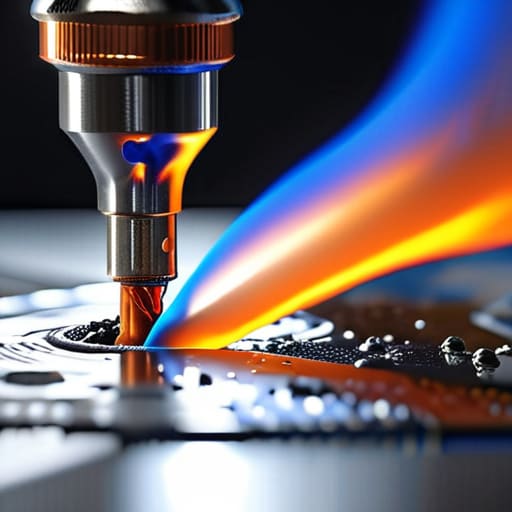
At the end of the day, choosing between soldering and brazing isn’t about which one is “better”—it’s about knowing exactly what you’re trying to achieve. If you’re just looking to join small, delicate components or fix a minor leak where the stress is low, a good solder job will do the trick without much fuss. But if you’re working on something that actually has to carry a load or withstand some serious heat, you can’t cut corners; you need the strength that only brazing can provide. Remember, it all comes down to that temperature threshold and how well you use capillary action to pull that filler metal into the joint. If you respect the physics of the metal, the bond will respect you.
I’ve seen plenty of folks rush through a job just to get it off their workbench, only to have the repair fail a week later because they picked the wrong method. Don’t be one of them. Take the time to clean your surfaces, watch your heat, and build it to last. There is a deep, quiet satisfaction in looking at a piece of machinery and knowing that the joints holding it together were done with intention and precision. We aren’t just sticking pieces of metal together; we are preserving things that deserve to stay in working order for the next generation.
