I remember standing in the middle of a fabrication floor back in ’84, staring at a workbench that looked more like a graveyard for lost sockets and rusted pliers than a workspace. I’d spent twenty minutes hunting for a specific set of calipers while a client waited, and the heat from the forge was making my temper boil faster than the steel. That’s when I realized that bad metalwork tool storage isn’t just a nuisance; it’s a thief of time and focus. You can buy all the fancy, plastic-molded organizers the big-box stores are peddling, but if they aren’t built to handle the weight of real iron and the grit of a working shop, they’re nothing more than expensive landfill.
I’m not here to sell you on some high-tech, gadget-filled system that’ll crack the first time you drop a heavy hammer on it. Instead, I’m going to show you how to set up a shop that respects your gear and your sanity. We’re going to talk about building layouts that actually make sense for the workflow, using materials that can take a beating for the next forty years. I’ll give you the straight truth on what works, what’s a waste of money, and how to organize your space so you can spend less time digging through piles and more time doing the actual work.
Table of Contents
Heavy Duty Workshop Cabinetry Built to Withstand the Hammer
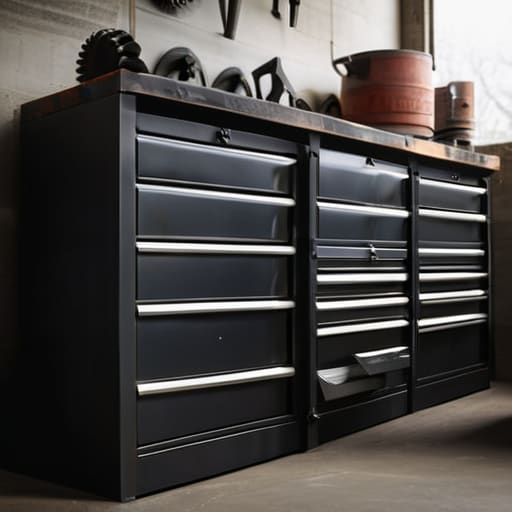
If you’re still relying on those flimsy, thin-gauge steel cabinets you find at the big-box retailers, you’re doing yourself a disservice. Those things might hold a screwdriver set, but the moment you start loading them with heavy anvils, vise grips, or a stack of cast-iron pans, the drawers will start to sag and the frame will warp. For a real setup, you need heavy duty workshop cabinetry that’s built with thick-walled steel and reinforced corners. I’ve always said that if the cabinet can’t handle the weight of your mistakes, it’s not worth the floor space it’s taking up.
When I’m designing custom tool chest solutions for a client, I don’t just look at how much they can hold, but how they handle the vibration of a working shop. You want deep, heavy-duty drawers with ball-bearing slides that won’t bind up when you’ve got fifty pounds of hammers inside. A solid cabinet isn’t just about keeping things tidy; it’s about creating a stable foundation for your work. If your storage is shaky, your precision will be too.
Custom Tool Chest Solutions That Wont Fail You
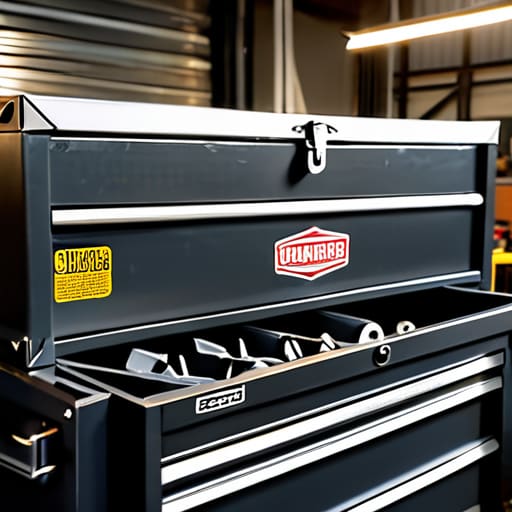
Now, if you aren’t looking to build a massive cabinet from scratch, you’ve got to look closely at your custom tool chest solutions. I’ve seen too many fellas blow a paycheck on those thin-gauge, flashy red rolling cabinets you see in big-box stores. They look fine under the showroom lights, but the moment you start loading them with heavy wrenches or a set of precision calipers, those flimsy drawers start to sag and bind. You want something with thick steel walls and ball-bearing slides that don’t groan every time you pull them out. If the drawer won’t glide smooth, it’s just another piece of scrap metal taking up space.
When you’re designing your setup, think about how you actually move through the shop. I always tell my apprentices that efficiency is born from accessibility. Don’t just cram everything into one deep box; use dividers to keep your small bits from turning into a jumbled mess. If you’re tight on floor space, look into integrating industrial tool organization systems that utilize verticality. A well-organized chest shouldn’t just hold your gear—it should respect the tools you’ve spent years earning.
Five Rules for a Shop That Actually Works
- Stop the clutter before it starts. If you’re constantly digging through a pile of wrenches to find that one specific 12mm socket, you’re wasting time and losing your rhythm. Every tool needs a dedicated home, ideally within arm’s reach of where you actually use it.
- Respect the weight. Metalwork is heavy business, and your storage needs to reflect that. Don’t go buying those flimsy, thin-gauge steel organizers you see in big-box stores; they’ll bow and warp under the weight of your hammers and anvils within a month.
- Keep the moisture out. Rust is the enemy of a good tool, and a damp corner of the shop will ruin a perfectly good set of files in no time. Invest in some decent drawer liners and maybe a few moisture-absorbing packets to keep your steel bright and ready for work.
- Label things for your future self. I don’t care if you think you’ll remember where everything is—you won’t. Whether it’s a hand-written tag or a simple etching, knowing exactly what’s in a bin without opening it saves more frustration than you can imagine.
- Leave room to grow. I’ve seen too many young fellas build a storage setup that’s perfect for the three tools they own today, but leaves them no room for the gear they’ll actually need next year. Build your shop with an eye toward the craftsman you’re becoming, not just the one you are right now.
The Bottom Line on Setting Up Your Shop
Don’t go cheap on the bones of your storage; a flimsy shelf is just a future trip to the scrap yard when you load it with heavy iron.
Organize your gear based on how you actually use it, not how it looks in a catalog, so you aren’t hunting for a wrench when the metal is already at temperature.
Invest in setups that allow for easy maintenance and accessibility, because a workshop that’s a mess is a workshop where mistakes happen.
Respect the Gear
A tool left to rust in a pile or buried under scrap isn’t just a mess; it’s a disrespect to the person who made it and the work you’re supposed to be doing. If you don’t give your gear a proper home, don’t be surprised when it fails you right when the heat is on.
Alistair Fenwick
Setting the Foundation for the Next Generation
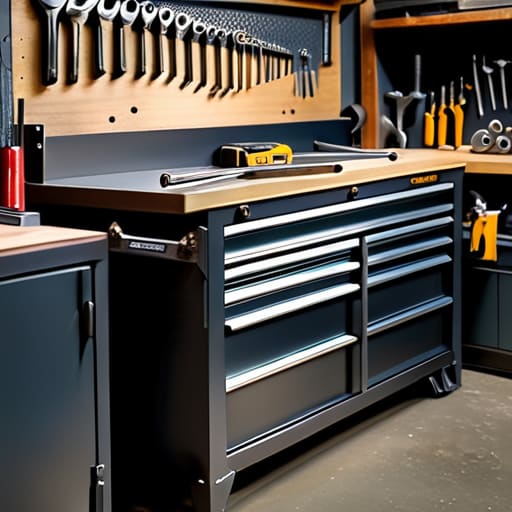
At the end of the day, whether you’re investing in heavy-duty industrial cabinetry or spending your weekends fabricating a custom tool chest, the goal remains the same: protection and accessibility. You can’t expect to perform precision work if you’re hunting through a chaotic pile of rusted wrenches or tripping over stray scraps of steel. By choosing storage that is as rugged as the tools it holds, you aren’t just tidying up a room; you are respecting the integrity of your equipment. A well-organized shop means you spend less time searching and more time actually working the metal, ensuring that every tool is exactly where it needs to be when the heat is on.
I’ve seen plenty of men walk into a shop and get defeated before they even pick up a hammer, simply because their workspace was a disaster. Don’t let that be you. Building a proper storage system is an investment in your own skill and your future projects. It’s about creating a space that demands discipline and precision every time you step through the door. Treat your workshop like the professional sanctuary it should be, and I promise you, the quality of your work will follow suit. Now, quit reading and get back to the bench.
Frequently Asked Questions
How do I prevent rust from forming on my hand tools if I'm storing them in a damp garage or workshop?
If you’re working in a damp garage, you’re fighting a losing battle against oxidation unless you get proactive. First, stop letting moisture settle on the steel; wipe your tools down with a clean rag after every session. I keep a thin layer of machine oil or a specialized paste wax on my hand tools—it creates a barrier that moisture can’t bite through. Toss some silica gel packets in your tool chests, too. Don’t let neglect turn your gear into scrap.
Is it worth the extra effort to build my own heavy-duty racks, or should I just buy pre-made industrial steel units?
If you’ve got the steel and the steady hands, build them. Pre-made industrial units are fine for a warehouse, but they’re rarely sized for the specific geometry of your actual tools. A custom rack built to your exact dimensions means every wrench and hammer has a home that fits perfectly. It takes more sweat upfront, sure, but you’ll end up with a setup that respects your gear instead of just housing it.
What’s the best way to organize small, loose items like drill bits and files so they don't end up in a cluttered mess at the bottom of a drawer?
Stop letting your small bits and files roll around like loose change in a junk drawer; that’s a fast way to dull an edge or lose a bit you actually need. Get yourself some dedicated magnetic strips for your files to keep them upright and accessible, and invest in some sturdy, compartmentalized organizers for your drill bits. If you can’t find it in five seconds, your setup is failing you. Organize them by size, not by whim.
