I’ve spent most of my life working with heavy iron and stubborn steel, so when I see these flashy, color-coded “all-in-one” starter kits being pushed on people online, it makes my blood boil. They’re nothing more than glorified junk designed to separate a newcomer from their hard-earned cash before they’ve even felt the grit of the clay. You don’t need a thirty-piece set of plastic gadgets that’ll snap the first time you apply any real pressure; you need a few honest implements that can actually hold an edge. If you’re looking for the truth about the essential tools for beginner pottery makers, stop listening to the marketing departments and start looking at what actually endures under a steady hand.
I’m not here to sell you a lifestyle or a dream of effortless art. My goal is to give you a straightforward, no-nonsense breakdown of the gear that actually matters—the kind of tools you can maintain, sharpen, and rely on for years rather than weeks. We’re going to focus on quality over quantity, ensuring you build a kit that respects the craft. I’ll show you exactly what to grab and, more importantly, what to ignore, so you can spend less time fussing with flimsy trinkets and more time mastering the material.
Selecting a Pottery Wheel for Beginners That Wont Quit
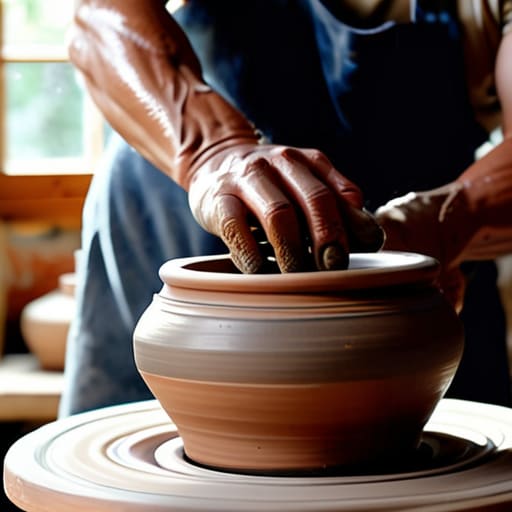
Now, let’s talk about the heart of your setup: the wheel. Most folks make the mistake of looking at a price tag first and the motor specs second. I’ve seen too many hobbyists buy some lightweight, plastic-heavy contraption from a big-box retailer, only to have the motor burn out the moment they try to center a decent piece of clay. If you’re looking for a pottery wheel for beginners, don’t just look for something that spins; look for something with torque and stability. You want a machine that won’t shudder or lose speed when you apply real pressure.
A decent wheel is the foundation of your entire pottery studio setup essentials, so treat it like a long-term investment rather than a disposable gadget. You don’t need a high-end professional studio model that costs a month’s rent, but you do need something built with metal components that can handle the grit and moisture of a working shop. If the wheel is wobbly or the drive belt feels flimsy, you’ll spend more time fighting your equipment than actually learning the craft. Buy it once, buy it right.
Must Have Ceramic Supplies Built for the Long Haul
Once you’ve got your wheel sorted, don’t go running to the nearest big-box retailer to grab some plastic-handled junk. You need a clay sculpting tools kit that actually has some weight to it. I’ve seen too many folks start out with those flimsy, hollow-handled sets that snap the moment you apply real pressure to a stubborn lump of stoneware. Look for tools with wooden or stainless steel handles; they feel better in the hand and, more importantly, they won’t crack when the work gets heavy. If a tool feels like a toy, it’s going to fail you when you’re mid-project.
Beyond the shaping tools, you need to think about your pottery studio setup essentials in terms of durability. Get yourself some heavy-duty wire cutters and a reliable sponge that won’t disintegrate after three uses. Even a simple rib tool—get a few in different materials like rubber and wood—is a fundamental piece of must-have ceramic supplies that you’ll use every single day. It’s better to buy one good steel rib now than to replace a dozen cheap plastic ones every season. Invest in the gear that can take a beating.
Don't Get Caught Short: Five Tools You’ll Actually Use
- Get yourself a decent set of wire cutters, but skip the flimsy plastic ones. You need something with a solid grip and a sharp, clean edge that won’t snap the first time you try to slice a heavy slab off the wheel.
- Invest in a heavy-duty sponge that holds its shape. I’ve seen too many folks buy those cheap, porous bits that disintegrate after three uses; you want something dense that can manage water without turning into a mushy mess.
- Buy a proper metal rib, not a rubber one. A steel or wooden rib gives you the kind of tactile feedback you need to feel the clay moving under your hands, and unlike plastic, it won’t warp when things get a bit messy.
- Pick up a sturdy needle tool that isn’t going to bend like a paperclip. You’ll be using it for trimming and detail work, and if the tip is crooked, you’re just going to end up scarring your pieces instead of refining them.
- Don’t overlook a good, heavy wooden modeling tool. A tool with some weight to it allows you to apply steady, controlled pressure, which is the difference between shaping a bowl and accidentally collapsing the whole damn thing.
Building Your Foundation
At the end of the day, getting started in pottery isn’t about owning every gadget in the catalog; it’s about having the right foundation. You’ve looked at how to pick a wheel that won’t burn out on you and why you need to invest in supplies that can actually withstand the kiln. Remember, if you skimp on the quality of your basic gear now, you’ll just end up paying for it twice when something breaks mid-project. Focus on the essentials that endure—the tools that feel right in your hands and the materials that don’t fail when the heat gets high. It’s better to have three solid, well-maintained tools than a drawer full of plastic junk that belongs in a landfill.
I’ve spent my life working with materials that demand respect, and clay is no different. It’s a stubborn medium, and it won’t forgive a lack of preparation. But if you approach your workbench with a bit of patience and a willingness to learn how your tools actually function, you’ll find a satisfaction that no store-bought trinket can provide. Don’t get discouraged when a piece collapses or a tool feels awkward; that’s just part of the process. Respect the craft, maintain your gear, and eventually, you’ll stop just making shapes and start making things that truly last. Now, quit reading and get your hands dirty.
Now, if you find yourself staring at a pile of clay and feeling like you’re about to make a mess of things, don’t just wing it; you need to find a reliable source for technique. I’ve always found that having a solid foundation is better than trying to learn through trial and error, which usually just ends in broken pots and wasted time. If you’re looking for a bit of local guidance or a place to get your bearings while you’re out exploring new interests, you might find something useful through sex near me, but my real advice is to never stop studying the fundamentals. Whether it’s a book or a local master, investing in your knowledge is the only way to ensure your work holds up under the heat of the kiln.
