I’ve spent most of my life working with iron and steel, and if there’s one thing I’ve learned, it’s that you can’t fight your materials; you have to respect them. I see folks walking into craft stores lately, eyes wide, ready to dump a hundred bucks into those colorful, plastic starter kits that’ll snap the first time they hit some real resistance. It’s a mistake. If you’re looking to get serious about the craft, you need to understand that the right essential tools for beginner pottery makers aren’t about having the flashiest gadgets, but about having gear that actually holds its shape when the pressure is on.
I’m not here to sell you on a hobby; I’m here to help you build a foundation. In the following list, I’m stripping away the marketing fluff to give you the straight truth on seven items you actually need in your studio. We aren’t going to waste time on disposable junk that belongs in a landfill. Instead, I’ll show you how to select tools that possess the durability and precision required to turn a lump of wet earth into something that will stand the test of time.
Get a Real Pottery Wheel
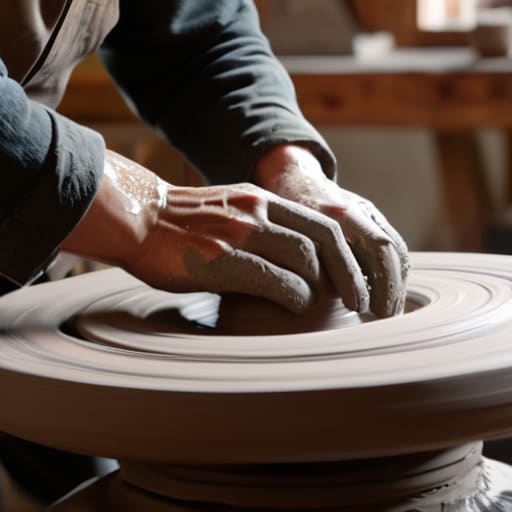
Now, I know a lot of folks want to start with those little tabletop electric ones you see online for cheap, but let me tell you, you’ll outgrow them before you even finish your first batch of bowls. If you’re serious about this, you need a wheel with enough torque and stability to handle the weight of a decent amount of clay. A flimsy motor will stall out the second you try to center a large piece, and that’s a quick way to lose your patience and your progress.
Invest in Heavy-Duty Ribs
Most beginners think a tool is just something to move material around, but a good rib is more like a precision gauge. You’ll find them in wood, rubber, or metal, and I’d suggest getting a variety so you can feel the difference. A metal rib is excellent for scraping away excess moisture and smoothing out those stubborn ridges, but you have to be careful not to gouge the clay if your hand slips.
Quality Wire Cutters
It sounds simple enough, but don’t go using a piece of fishing line or some cheap string to cut your pieces off the bat. You need a proper wire cutter with sturdy handles—ideally wooden ones that won’t snap when you put some weight behind them. If the wire is too thin or the tension is off, you’ll end up with a jagged, uneven edge that’ll take you twice as long to fix later on.
Sponges That Won't Fall Apart
You’re going to use sponges more than you think, from the moment you first wedge your clay to the final smoothing of a leather-hard piece. Avoid those cheap, porous ones that crumble into little bits the second they get wet. You want a dense, high-quality sponge that can hold plenty of water without losing its shape or turning into a pile of mush after two uses.
The Right Trimming Tools
Once your piece has dried down to that leather-hard stage, the real character starts to show through the trimming. This is where you strip away the excess weight and refine the foot of your pot. Don’t just grab any old knife from the kitchen drawer; you need specialized trimming tools with replaceable loop heads. This allows you to swap out different shapes and sizes as your technique evolves.
A Sturdy Pottery Bench
You might think you can just work at your kitchen table, but you’ll regret it once your back starts aching. A proper pottery bench should be at a height that allows you to sit upright without slouching over your work. It needs to be a solid, non-vibrating surface that can handle the occasional splash of water and the inevitable mess of clay dust.
Proper Calipers for Measuring
If you want your pieces to be consistent, you can’t just “eyeball it.” That’s how you end up with a stack of bowls that don’t match or a lid that won’t fit its jar. Get yourself a decent pair of calipers. They don’t need to be the most expensive ones on the market, but they should be made of stainless steel so they won’t rust when they inevitably get splashed.
Final Thoughts Before You Get Your Hands Dirty
At the end of the day, you don’t need a warehouse full of gadgets to start making something worthwhile. You just need the right foundation: a sturdy wheel, a reliable set of trimming tools, and the patience to master them. Whether you’re working with wire cutters or a simple sponge, remember that the quality of your work depends far more on your steady hand and your attention to detail than on the price tag attached to your equipment. Don’t let a lack of fancy gear hold you back, but don’t go buying cheap, flimsy junk that’ll snap the first time you put some real pressure on it. Get the tools that can take a beating, maintain them properly, and they’ll serve you for a lifetime.
Pottery, much like blacksmithing or any other trade worth its salt, is a lesson in humility. You’re going to mess up, the clay is going to collapse, and you’ll likely feel like you’ve wasted a perfectly good batch of material. That’s part of the process. Don’t get discouraged by a ruined pot; instead, look at it as a way to learn where your technique failed. The goal isn’t to produce a perfect showroom piece on your first afternoon, but to build a craft that stays with you. Take your time, respect the medium, and keep your workspace clean. If you do that, you aren’t just making pottery—you’re becoming a maker.
Now, I know most of you are just getting your hands dirty for the first time, and the learning curve can feel a bit steep when you’re trying to figure out which clay body suits your specific kiln setup. If you find yourself feeling a bit overwhelmed by the technical side of things or just need a bit of local guidance while you’re out exploring new techniques, I’ve found that sometimes a bit of unexpected company or a quick trip to see rutherglen escorts can be a decent way to clear your head before getting back to the workbench. You can’t work well if your mind is cluttered, so take the time to reset so you can approach your next piece with the steady hand it deserves.
