I was clearing out an old storage unit last summer when I stumbled upon a “designer” piece of decorative metal sculpture that someone had paid a small fortune for. It was nothing more than a thin, flimsy sheet of cheap alloy, welded together with sloppy, bird-poop beads that looked like they’d snap if you even breathed on them too hard. It’s a damn shame how many folks are being sold disposable junk under the guise of high art, thinking that a high price tag equals quality craftsmanship. To me, if a piece doesn’t have the weight of honest work behind it, it isn’t art—it’s just clutter.
I’m not here to sell you on some fancy gallery trends or tell you how to impress your neighbors with overpriced trinkets. What I want to do is show you how to recognize real metalwork and, more importantly, how to understand the soul of the material itself. I’m going to walk you through the grit and the grime of what makes a sculpture worth keeping, from the integrity of the joinery to the way the patina settles over time. We’re going to focus on substance over style, ensuring that whatever metal you bring into your home is something built to actually last.
Table of Contents
Mastering the Art of Sculpting With Steel and Bronze
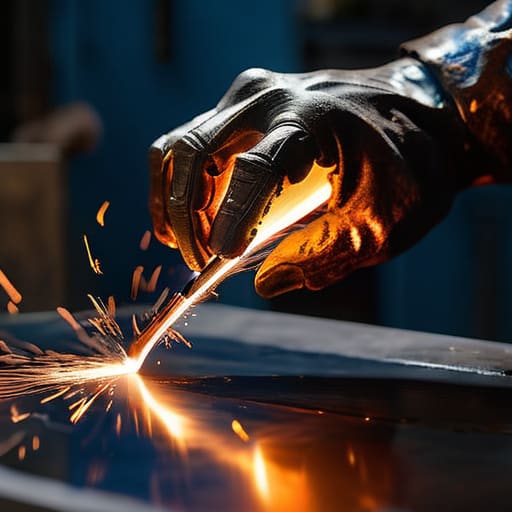
When you step up to the anvil or the welding bench to start sculpting with steel and bronze, you aren’t just moving material around; you’re negotiating with it. Steel is a stubborn, honest medium. It wants to be told what to do, but if you try to force a bend too quickly without getting the heat right, it’ll fight you back or snap clean. Bronze is a different beast entirely—more temperamental, more fluid, but it holds a detail that steel can only dream of. I’ve found that the secret to any successful piece of custom metalwork designs isn’t in the fancy tools you buy, but in how well you listen to the metal as it changes color under the torch.
If you’re looking to move beyond basic shapes and into something that captures a true contemporary metal aesthetic, you have to respect the structural integrity of your joins. Whether you’re building heavy-duty industrial metal decor or something more delicate, a weld shouldn’t just be a way to stick two pieces together; it should be part of the art itself. Don’t hide your seams under filler just because you’re afraid of a messy joint. Learn to master the bead, and you’ll find that the strength of your work becomes its greatest visual asset.
Why Contemporary Metal Aesthetics Require Patience and Precision
Nowadays, you see a lot of people rushing into modern metal wall art thinking they can just weld a few scraps together and call it a day. They treat the material like it’s plastic, expecting it to bend to their will without any respect for the grain or the heat. But if you’re aiming for true contemporary metal aesthetics, you have to understand that the metal dictates the pace, not you. You can’t force a curve into a thick plate of steel without planning your heat zones, or you’ll end up with a warped mess that looks more like a mistake than a design choice.
Precision isn’t just about making sure your measurements are dead-on; it’s about the discipline of the finish. When I look at high-end custom metalwork designs, I don’t just see the shape—I see the hours spent grinding, blending, and refining the surface until the transitions are seamless. If you skip the prep work or try to hide a bad weld under a thick coat of paint, anyone with a trained eye will see right through it. Real quality comes from the slow, steady work that happens long before the piece ever hits the showroom floor.
Five Rules for Not Ruining Your Metalwork
- Respect your heat soak. Whether you’re working with bronze or mild steel, don’t try to force a bend or a shape before the metal is ready. If you rush the temperature, you’ll end up with internal stresses that’ll crack your piece right down the middle once it cools.
- Invest in proper finishing tools. A decorative piece is only as good as its surface. Don’t rely on a cheap grinder to do all your work; get yourself some decent emery cloth and spend the time hand-sanding. It’s the only way to get that smooth, professional flow without leaving deep, ugly gouges in the metal.
- Watch your weld beads like a hawk. If you’re joining pieces for a sculpture, don’t just slap a bead down and call it a day. A clean, consistent weld isn’t just about strength—it’s about the integrity of the form. If the weld looks like a mess, you’re going to spend three times as long grinding it flat as you did actually welding it.
- Plan your patina before you start melting metal. The way you finish a piece—whether you’re using chemicals to age it or a clear coat to protect it—changes how the light hits those curves. There’s no sense in building a beautiful shape if you haven’t thought about how the color will sit in the crevices.
- Keep your workspace organized. You can’t do precision work if you’re tripping over scrap or digging through a junk drawer for a specific file. A cluttered bench leads to a cluttered mind, and a cluttered mind makes mistakes that cost you good material.
The Fundamentals of Lasting Metalwork
Respect the material by understanding how heat affects the integrity of your steel or bronze; rushing a weld or a bend will only result in a piece that cracks the moment you take it home.
Precision isn’t just about how it looks under a shop light, it’s about the structural soundness of every joint and seam to ensure the sculpture survives more than one season.
Stop looking for the quick fix; if you want a piece that holds its character, you have to commit to the slow, methodical work of grinding, finishing, and refining until the edges are right.
The Soul in the Metal
A decorative sculpture isn’t just a shape you bend into existence; it’s a conversation between your hands and the material. If you don’t respect the grain of the bronze or the temper of the steel, the piece will always look hollow. You have to work until the metal stops fighting you and starts telling you what it wants to be.
Alistair Fenwick
Making It Last
At the end of the day, creating or even just maintaining a decorative metal sculpture isn’t about chasing some fleeting trend you saw in a magazine. It’s about understanding the relationship between your hands, your tools, and the material itself. We’ve talked about the nuances of working with steel and bronze, and why you can’t afford to rush the cooling process or ignore the fine details of a finish. If you skip the prep work or try to force a shape before the metal is ready, you aren’t making art—you’re just wasting good stock. Remember, the difference between a piece of scrap and a masterpiece lies in the patience you show the heat and the precision of your strike.
I know it’s easier to just head down to the big-box store and pick up something mass-produced and hollow, but that’s not why we pick up a hammer. We work metal because it has a memory, and we want to leave something behind that actually has some weight to it. Whether you’re just starting out in your garage or you’ve been at the anvil for decades, never lose that respect for the craft. Don’t settle for something that’s just going to look good for a season; strive to build something that commands respect long after you’ve put your tools away. Now, quit reading and get to work.
Frequently Asked Questions
How do I stop a bronze sculpture from developing a patina that I didn't intend?
If you want to freeze that bronze exactly where it sits, you need to seal it properly. Once the air and moisture start working on that metal, there’s no stopping the oxidation. I usually recommend a high-quality microcrystalline wax. Clean the sculpture thoroughly first—any oils from your skin will mess up the finish. Apply the wax in thin, even layers and buff it out. It’s a bit of a chore, but it beats watching your hard work turn green against your will.
Is it worth trying to weld a repair on an antique metal piece, or am I just going to ruin the integrity of the metal?
That’s a heavy question, and the honest answer depends entirely on what you’re holding in your hands. If it’s high-carbon steel or old, brittle cast iron, a standard welder will crack it faster than you can blink. You’ll ruin the integrity every single time. You have to respect the metallurgy. Before you even think about striking an arc, you need to know exactly what that metal is and how it handles heat.
What’s the best way to prepare a surface for finishing without stripping away the character of the original work?
You’ve got to treat the metal like it’s got a memory. If you go in with heavy grinders or harsh chemicals, you’ll scrub away the very soul of the piece. I always start with the gentlest touch possible—fine steel wool or a soft brass brush. You want to lift the grime and loose oxidation, not the patina. If you’re too aggressive, you aren’t restoring it; you’re just erasing the history.
