I remember sitting in my first fabrication shop back in the late seventies, the air thick with the smell of ozone and burnt steel, listening to the rhythmic whir-clatter of a heavy-duty motor. A seasoned foreman walked over, saw me staring blankly at a pile of dull chisels, and told me I was wasting my time trying to find a specialized machine for every little task. He pointed to the old, battered unit bolted to the workbench and said, “Son, if you don’t master your bench grinder uses, you’ll spend your whole career buying new tools instead of fixing the ones you have.” That lesson stuck with me harder than any textbook ever could.
I’m not here to sell you on some fancy, computerized precision tool that requires a degree to operate. What I want to do is show you how to actually work with what you’ve got. I’m going to walk you through the practical, real-world applications of that machine sitting in your garage, from sharpening your oldest garden shears to prepping metal for a clean weld. We aren’t going to chase gimmicks; we’re going to focus on the skills that matter so you can stop throwing money away on disposables and start building things that last.
Table of Contents
Sharpening Chisel Edges to Hold a True Bite
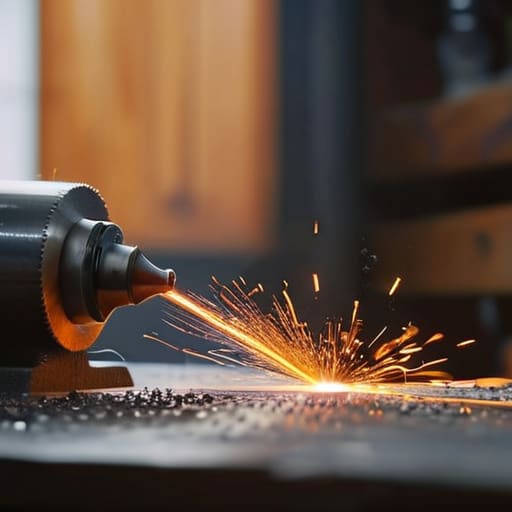
When you’re sitting at the bench with a dull chisel, you aren’t really woodworking; you’re just fighting the material. To get that razor-sharp edge back, you’ll need to use the grinder, but you have to be careful. I always tell my apprentices that the biggest mistake is letting the steel get too hot. If you see the metal turning a dull blue or straw color, you’ve already ruined the temper. Keep a bucket of water right next to you and dip the chisel frequently. You aren’t just sharpening chisel edges here; you’re preserving the life of the tool.
Choosing the right grit is where most folks stumble. You don’t want to jump straight to a fine wheel if the edge is chipped or heavily pitted. I prefer starting with a coarser stone to reshape the bevel, then moving to finer types of grinding wheels to smooth things out. Watch your angle closely—if you wander even a few degrees off, you’ll end up with a wonky edge that won’t hold a bite. Precision matters more than speed when you’re working this close to the wheel.
Removing Rust From Metal Without Ruining the Surface
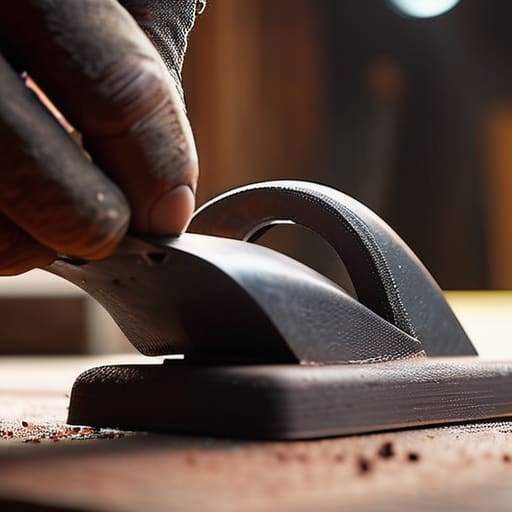
Now, when it comes to removing rust from metal, most folks make the mistake of going in too hard, too fast. They grab a coarse wheel and try to grind the oxidation away like they’re shaping a piece of structural steel. That’s a quick way to ruin a good piece of vintage iron or leave deep gouges that you’ll spend hours trying to polish out later. If you’re working on something delicate, like an old hand plane or a piece of cast iron, you need to treat it with respect.
I usually start with a fine-grit wheel or a dedicated wire brush attachment. You want to let the tool do the work, not your muscles. Keep a close eye on the heat buildup; if the metal gets too hot to touch, you’re pushing too hard and risking damage to the temper. It’s a slow, steady process of peeling back the layers of decay until you find the clean metal underneath. Just remember to keep your eye protection on—rust flakes have a nasty habit of flying straight toward your face.
Five Rules to Keep Your Grinder Productive and Your Hands Intact
- Watch your heat. If you’re grinding a tool and it starts turning blue or even getting uncomfortably hot to the touch, you’re ruining the temper. Keep a bucket of water right next to the machine and dunk the metal every few seconds; you want to keep that edge hard, not bake it soft.
- Check your wheels for cracks before you even plug the thing in. A cracked grinding wheel is a spinning grenade waiting to happen. Give it a light tap with a screwdriver handle—if it rings clear, you’re good; if it gives a dull thud, toss it in the scrap bin immediately.
- Don’t try to do everything with one wheel. You wouldn’t use a sledgehammer to hang a picture frame, so don’t use a coarse grit wheel meant for heavy stock removal to try and finish a fine edge. Get a dedicated fine-grit wheel for the finishing work if you want results that don’t look like they were chewed on by a dog.
- Keep that tool rest tight. I see too many youngsters leaving a gap between the work and the rest, and that’s how you end up pulling the metal into the wheel. You want a gap no bigger than about an eighth of an inch—just enough to keep things steady and safe.
- Use the right speed for the job. If you’re working on something delicate or a specific alloy that doesn’t take heat well, don’t just crank it up to max. Slow and steady wins the race, and it keeps you from wasting material by grinding away more than you intended.
The Bottom Line Before You Fire Up the Motor
Respect the wheel and the heat; if you’re sharpening a tool, keep a bucket of water close to prevent the steel from losing its temper, or you’ll end up with a useless piece of soft metal.
Don’t go hunting for the perfect edge with a grinder alone; use the machine to get the shape right, but remember that the final, true bite always comes from a hand file or a sharpening stone.
Cleanliness isn’t just for show—always clear the heavy rust and scale with the grinder before you move on to finer work, otherwise, you’re just grinding grit into your finished surface.
## Respect the Wheel
A bench grinder isn’t a magic wand to fix a sloppy mistake; it’s a precision instrument for refining what you’ve already built. If you treat it like a way to grind away your errors instead of a way to hone your skill, you’ll end up with nothing but wasted steel and a ruined edge.
Alistair Fenwick
Putting the Wheel to Work
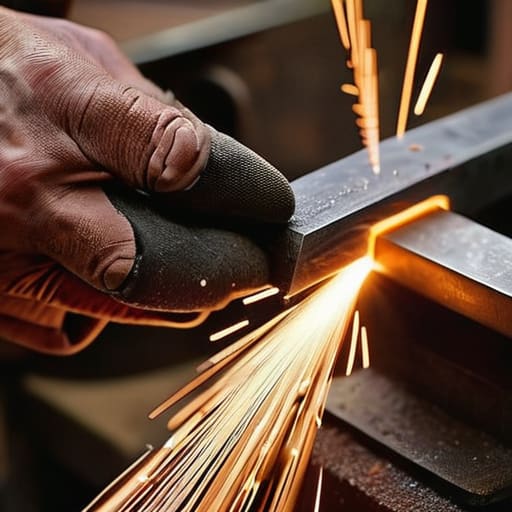
At the end of the day, a bench grinder isn’t just a piece of machinery taking up space on your workbench; it’s the backbone of a functional shop. We’ve talked about everything from getting a razor-sharp edge on your chisels to carefully stripping away years of rust without gouging the base metal. Whether you’re shaping a new tool or restoring a piece of history, the goal remains the same: precision and control. Don’t go at it with a heavy hand or a rushed mindset. If you treat the machine with respect and pay attention to the heat you’re generating, you’ll find that it becomes an extension of your own hands, helping you turn a pile of scrap into something worth keeping.
I’ve seen too many folks throw away perfectly good steel just because it looked a bit rough or lost its edge. That’s a waste of good material and a waste of a good craftsman’s time. My advice is simple: don’t be afraid to get your hands dirty and spend the extra few minutes doing the job right. There is a certain kind of satisfaction that comes from taking something broken or dull and bringing it back to life with nothing but a spinning wheel and a bit of patience and grit. Stop looking for the quick fix and start focusing on building things that last.
Frequently Asked Questions
How do I know when I've taken too much material off a tool and ruined its temper?
You’ll know it the moment you see that steel turn a deep straw, blue, or even purple color. That discoloration is a warning sign that the heat from your grinding wheel has traveled too deep into the core, softening the metal. If you see those colors, you’ve blown the temper. The tool might still look sharp, but it’ll lose its edge the second it hits real work. Slow down and keep a bucket of water handy.
Is there a way to use the grinder for deburring without leaving deep gouges in the metal?
You’re asking the right question. If you go at it with a coarse grit, you’ll end up with more problems than you started with. For deburring, ditch the heavy grinding wheels. I always reach for a fine-grit flap disc or even a small abrasive stone. Keep the tool moving in a steady, light sweep—don’t let it dwell in one spot. It’s about finesse, not force. Treat the metal with respect, and it’ll stay smooth.
What’s the best way to tell if my grinding wheels are actually balanced, or if I'm just fighting the vibration?
If you’re feeling a steady hum in your palms, that’s normal. But if the whole bench starts dancing or the grinder screams like a banshee, you’ve got an unbalanced wheel. The quickest way to tell is to run it up to speed and watch the spindle. If you see a visible wobble or hear a rhythmic, heavy thumping, it’s off. Don’t just power through it; that vibration will ruin your precision and your wrists.
