I remember standing in a fabrication shop back in ’84, watching a kid tear through a set of high-carbon steel chisels because he thought “more force” was a substitute for proper technique. He was treating those metal hand tools like they were something you just throw in a bin when they get dull, rather than extensions of your own grip. It’s a frustrating sight, seeing people spend a fortune on flashy, branded kits only to ruin them within a month because they don’t understand the soul of the material. Most folks today seem to think you can just buy your way into being a craftsman, but a tool is only as good as the person holding it.
I’m not here to sell you on some overpriced, shiny gadget that’ll break the first time it hits real resistance. What I want to do is teach you how to actually respect the steel in your kit. I’m going to walk you through how to select, maintain, and truly master your metal hand tools so they become part of your legacy rather than just more landfill. We’re going to do this the right way—with patience, precision, and a bit of grit.
Table of Contents
The Weight of Worth Investing in High Carbon Steel Hand Tools
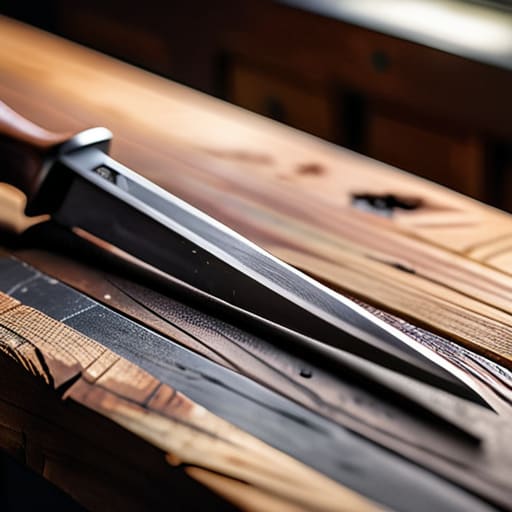
When you walk into a hardware store these days, you’re met with aisles of shiny, chrome-plated nonsense that feels light in your palm. Most of it is soft steel, meant to look decent on a pegboard before it dulls or snaps under any real pressure. If you’re serious about your craft, you need to look for high-carbon steel hand tools. There is a fundamental difference in how that material responds to the work. It holds an edge longer and carries a certain heft that tells your hands exactly what’s happening at the point of contact. You don’t just hold these tools; you feel the resistance of the metal through them.
Investing in quality isn’t about showing off; it’s about the economy of effort. Using cheap, flimsy gear means you’ll spend half your time fighting the tool instead of the workpiece. When you pick up proper professional machinist hand tools, you’re buying a partner in the shop. These pieces are designed to be worked, abused, and eventually sharpened back to life, not tossed in a scrap bin when they lose their shine. Real tools demand respect, and in return, they’ll give you a level of control that no disposable substitute can match.
Why Professional Machinist Hand Tools Demand Your Respect
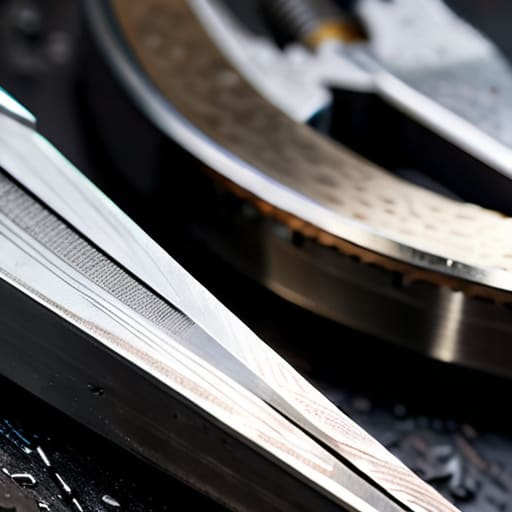
Now, don’t go confusing a set of cheap, department-store pliers with the real deal. When you step up to professional machinist hand tools, you aren’t just buying a piece of hardware; you’re buying a guarantee of accuracy. These aren’t meant for someone who just wants to tighten a loose screw on a lawn chair. They are engineered for the man who understands that a fraction of a millimeter is the difference between a perfect fit and a pile of scrap metal. If you treat these instruments like they’re indestructible, they’ll fail you when the work gets serious.
I’ve seen too many young fellas walk into a shop with a kit full of soft, stamped steel that bends the moment they apply any real leverage. Those aren’t workshop essential hand tools; they’re just expensive toys. A proper machinist’s tool has a specific balance and a temper that holds its edge through hours of heavy use. You have to respect the tolerances they’re built to hold. If you don’t approach the workbench with that level of seriousness, you’re just wasting your time and my patience.
Keeping the Edge: Five Rules for Tool Longevity
- Stop letting rust settle in. If you leave your files or chisels sitting in a damp corner of the shop, you’re just inviting the oxidation to eat the surface. Wipe them down with a light coat of machine oil after every session—it takes thirty seconds, but it saves you from having to grind away good steel later.
- Watch your impact. A hammer or a punch isn’t meant to be used as a pry bar or a makeshift screwdriver. If you start using your precision tools to force things that don’t want to move, you’ll end up with mushroomed heads or bent shafts that’ll never strike true again.
- Respect the grit. When you’re using abrasives or sharpening stones, don’t rush the process. I always keep a bit of sandpaper in my pocket for a reason—smooth transitions matter. If you force a tool through a sharpening cycle too fast, you’ll overheat the temper and ruin the hardness of the metal.
- Clean your workspace, clean your steel. I’ve seen too many young fellas ruin a fine finish on a piece of metal because they used a dirty rag or a tool covered in old metal shavings. Keep your hands and your tool surfaces clear of debris; grit is the enemy of precision.
- Listen to the metal. You’ll learn over time that every tool has a sound. A file should sing a certain way, and a hammer should ring true. If a tool sounds dull, heavy, or “off,” it’s telling you something is wrong—either it needs sharpening, or it’s about to break. Don’t ignore it.
The Bottom Line for Your Workbench
Stop chasing cheap, soft-metal imitations; if you want a tool that holds an edge and doesn’t bend under pressure, you pay for high-carbon steel upfront.
Treat your tools like partners in the shop, not just objects in a drawer—regular maintenance and a bit of respect for the material will ensure they outlive you.
Mastery comes from the marriage of quality steel and a steady hand, so take your time with the work and don’t let haste ruin a good piece of metal.
The Truth About the Grip
A cheap tool will fight you every step of the way, turning a simple task into a chore and a steady hand into a shaky one; if you don’t respect the quality of the steel in your palm, you’ll never truly master the work.
Alistair Fenwick
The Long View from the Workbench
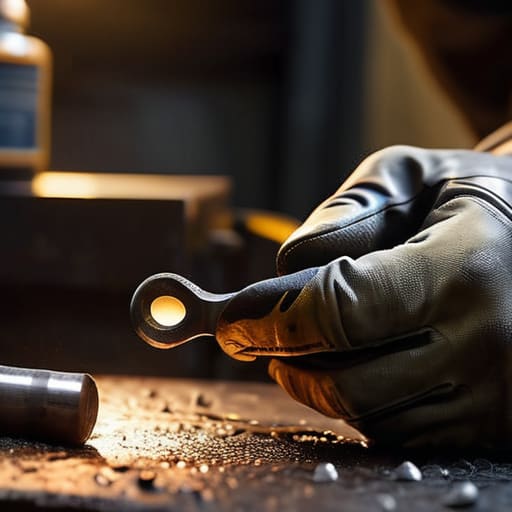
At the end of the day, it all comes down to the relationship between your hands and the steel you’re holding. We’ve talked about why you shouldn’t settle for cheap, stamped-out junk and why a machinist’s precision is something you have to earn through practice. If you invest in high-carbon steel and treat your tools with the respect they deserve, you aren’t just buying a way to turn a bolt or cut a thread; you are investing in a lifetime of capability. Maintaining your tools—keeping them clean, oiled, and sharp—is just as much a part of the job as the fabrication itself. If you skip the maintenance, you’re just waiting for the tool to fail you when the work gets heavy.
I’ve spent forty years watching people rush through projects only to end up scrapping a piece of expensive stock because they used a dull file or a loose wrench. Don’t be that person. Take your time, feel the resistance of the metal, and remember that true craftsmanship is a slow burn. There is a profound kind of satisfaction that comes from picking up a tool you’ve owned for decades and finding that it still bites into the metal just as cleanly as the day you pulled it from the box. Build things right, maintain what you own, and let your work speak for itself.
Frequently Asked Questions
How can I tell the difference between a cheap alloy tool and actual high-carbon steel just by looking at it?
Truth be told, you can’t always tell just by a glance, but there are tells. Cheap alloy tools often have a dull, grayish, or even slightly “plastic” look to the finish. High-carbon steel usually has a deeper, more lustrous sheen. Look closely at the edges; if they look soft or rounded right out of the box, walk away. If you can, grab it. Real steel has a density and a cold, honest weight that cheap alloys just can’t mimic.
What’s the proper way to re-temper a tool edge if I’ve accidentally overheated it while working?
You’ve gone and ruined the temper. If the steel turned a straw or blue color right at the edge, it’s lost its hardness and it’ll be useless for real work. You can’t just patch it. You’ll need to heat the whole tool back up to critical temperature—until it’s non-magnetic—quench it in oil, and then carefully re-temper it back to the right shade. It’s a slow process, but it beats tossing a good tool.
Is it worth the extra money to restore old, rusted tools, or should I just buy something new?
If you’re looking for a quick fix, buy something new. But if you want a tool that actually has a soul, you go for the old steel. Most modern, cheap tools are made of soft alloys that’ll dull the moment they hit real work. An old, rusted chisel or hammer might look like junk, but once you’ve stripped that oxidation and honed the edge, you’ve got something built to outlive us both. It’s worth every penny.
