I remember standing on the shop floor of a massive fabrication plant back in ’88, watching a young kid try to troubleshoot a brand-new, computerized vibratory tumbler. The machine looked like something out of a sci-fi film, all sleek plastic and glowing touchscreens, but the moment a single bearing went south, the whole thing became nothing more than an expensive paperweight. Nowadays, sales reps will try to sell you on these high-tech metal finishing machines by promising “automated precision” and “streamlined workflows,” but they rarely mention how much of a nightmare they are when you actually need to get under the hood. They build them to be replaced, not to be repaired, and that’s a hard pill to swallow when you’re trying to run a real business.
I’m not here to sell you on the latest shiny gadget that requires a software engineer just to change a media batch. My goal is to walk you through what actually matters: durability, ease of maintenance, and whether a machine can actually handle the workload you’re throwing at it. I’ll be sharing the straight truth on different types of equipment based on forty years of grease and grit, so you can invest in tools that stay working long after the salesman has gone home.
Table of Contents
- Mastering Industrial Abrasive Finishing Without Taking Shortcuts
- Automated Metal Polishing Systems That Wont Fail You
- Five Things to Look for Before You Sink Your Money into a Machine
- The Bottom Line on Choosing Your Finishing Gear
- ## The Cost of a Cheap Machine
- Putting the Work to the Metal
- Frequently Asked Questions
Mastering Industrial Abrasive Finishing Without Taking Shortcuts
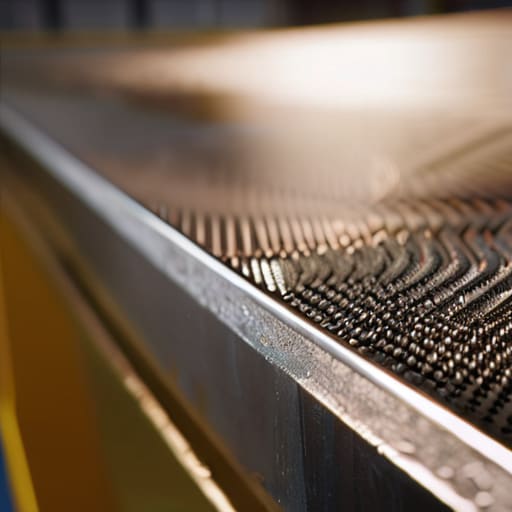
When you’re setting up a shop for serious work, it’s tempting to think that just throwing a part into a tumbler and walking away is enough. That’s where most folks go wrong. Real industrial abrasive finishing isn’t about how much grit you can throw at a piece of steel; it’s about understanding how the media interacts with the material. If you rush the process or use a medium that’s too aggressive for the job, you aren’t just cleaning the surface—you’re carving away the very integrity of the part. I’ve seen many a fine piece of custom fabrication ruined because someone wanted to save twenty minutes on the clock.
You have to respect the stages of the process. You can’t jump straight to a mirror shine if you haven’t done the heavy lifting first. Proper precision metal deburring is the foundation; if you leave those tiny burrs or sharp edges behind, no amount of fine polishing is going to fix the underlying mess. It’s a slow, methodical progression from coarse to fine. If you try to skip the middle steps, you’ll find yourself fighting the machine instead of letting it do the work. Take your time, watch the heat, and listen to the sound of the grit.
Automated Metal Polishing Systems That Wont Fail You
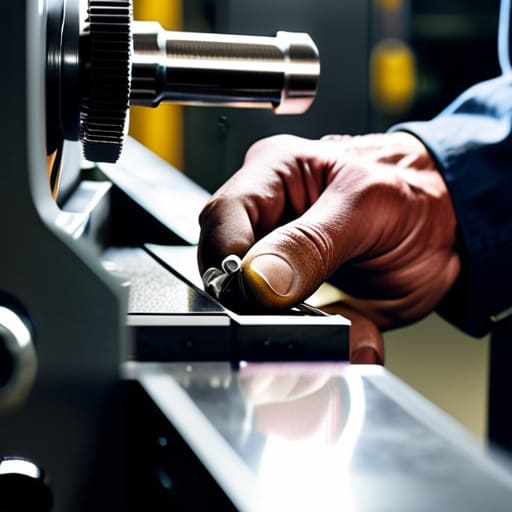
Now, I know what some of you are thinking. You see a shiny new piece of kit with a touchscreen and a fancy computer interface, and you think it’s going to do all the heavy lifting for you. But listen to me: an automated metal polishing system is only as good as the man who understands its guts. If you don’t understand the mechanics behind the automation, you’re just waiting for a sensor to trip or a belt to slip. You want a system that offers consistent surface roughness reduction, sure, but you also need one where the components are accessible. If you have to call a specialist from three states away just to tighten a mounting bolt, you haven’t bought a tool; you’ve bought a headache.
When you’re looking at high-end setups, don’t get blinded by the bells and whistles. Focus on the build quality of the frame and the ease of metal finishing equipment maintenance. A machine built with heavy-duty castings and standard industrial parts will outlast any “smart” gadget that relies on proprietary plastic bits. I’ve seen too many shops go bust because they invested in a machine they couldn’t fix when the real work started. Get something sturdy, get something predictable, and for heaven’s sake, get something you can actually maintain.
Five Things to Look for Before You Sink Your Money into a Machine
- Check the access points first. If you can’t get a wrench or even your hand into the guts of the machine to clean out the slurry or tighten a bolt, you’re going to end up hating it within a month. A machine that’s a nightmare to maintain is just a very expensive paperweight waiting to happen.
- Don’t get blinded by fancy digital interfaces. A touchscreen is nice until it gets covered in oil and metal dust and stops responding. I’d much rather see a solid, well-labeled physical switch that I know will work every single time I flip it.
- Look at the motor and the build quality of the frame. If the housing feels thin or like it was made from cheap sheet metal, it won’t handle the vibration of a heavy finishing cycle. You want something with enough heft to stay steady when the real work starts.
- Ask about the replacement parts before you sign the check. There’s no sense in buying a top-of-the-line polisher if the manufacturer makes you wait six weeks for a proprietary seal or a specific bearing. If you can’t find the parts, you can’t keep the job moving.
- Test the machine under a real load, not just when it’s idling. A machine might hum along fine when it’s empty, but you need to see how it handles the actual weight and friction of your media and your workpieces. If it bogs down or starts shaking like a leaf, walk away.
The Bottom Line on Choosing Your Finishing Gear
Don’t get blinded by a shiny showroom model; if you can’t get a wrench on the moving parts to service them yourself, you’re just buying a very expensive paperweight.
Respect the process by matching your abrasive to the specific metal you’re working with, because forcing a finish with the wrong grit is just a fast way to ruin good stock.
Invest in machines built with heavy-duty components that can handle a real workload, rather than settling for lightweight gear that’ll shake itself to pieces in six months.
## The Cost of a Cheap Machine
“A machine that promises a mirror finish in half the time is usually just a machine that’s going to strip your material or burn out its motor by next Tuesday. If you aren’t willing to invest in a finisher that you can actually get a wrench on when it acts up, you aren’t buying a tool—you’re buying a headache.”
Alistair Fenwick
Putting the Work to the Metal
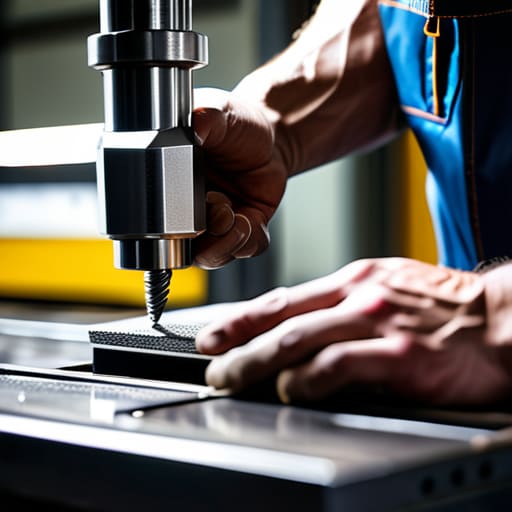
At the end of the day, choosing the right metal finishing machine isn’t about chasing the flashiest specs in a glossy brochure or buying the most expensive unit on the showroom floor. It’s about understanding the grit of the job. Whether you’re setting up an automated polishing line to handle high volumes or selecting a manual abrasive system for those intricate, one-off repairs, you have to prioritize mechanical reliability and ease of maintenance. If you can’t strip it down, clean the media, or replace a worn-out component without calling a technician halfway through a job, then you haven’t bought a tool—you’ve bought a headache. Stick to the machines that respect the material and the operator.
I’ve spent forty years watching people try to bypass the fundamentals, only to end up with ruined workpieces and wasted time. Real craftsmanship, whether in a massive industrial plant or a small garage studio, requires a marriage of the right equipment and a steady, patient hand. Don’t let the pressure of a deadline tempt you into choosing a shortcut that compromises the integrity of your finish. Invest in gear that is built to endure, and treat your finishing process with the respect it deserves. When you do things the right way, the metal tells the story, and that story is one of quality that lasts long after the machines have gone quiet.
Frequently Asked Questions
How do I know if a machine is built with replaceable parts, or if I'll be stuck with a heavy piece of scrap metal the moment a single gear shears off?
You look for the things they don’t put in the glossy brochures. Open the access panels. If you see proprietary, sealed-off units that look like they were glued together, walk away. You want to see standard bearings, common drive belts, and bolts that don’t require a specialized tool from a different continent to turn. If the manufacturer won’t give you a clear, printed parts list with part numbers, they aren’t selling you a machine; they’re selling you a future paperweight.
When am I actually going to see a return on the investment for an automated system versus just sticking to manual labor and hand tools?
Look, I’m not one for chasing shiny new toys just because the brochure says so. You’ll see your money back when the volume of work starts outstripping what your wrists and back can handle. If you’re spending ten hours a week hand-polishing the same batch of parts, that’s time you aren’t spending on custom fabrication. An automated system pays for itself the moment it frees you up to tackle higher-margin jobs.
What’s the best way to figure out which abrasive media won't chew up the surface finish of my specific workpiece?
You don’t guess with your material; you test it on a scrap piece first. Grab a bit of the same stock you’re using for your actual job—same alloy, same temper—and run a trial cycle with your media. If the scrap comes out looking like it’s been through a rock tumbler when you wanted a satin finish, you know that media is too aggressive. Better to waste a scrap than ruin a finished part.
