I remember standing in a massive fabrication shop back in the late eighties, watching a green kid try to force a high-speed bit through a thick slab of seasoned steel. He was leaning his entire body weight into the handle, sweating and cursing, while the machine screamed in protest. He thought more muscle meant more progress, but all he was doing was burning up his bits and risking a snapped spindle. That’s the trouble with how folks approach a drill press these days; they treat it like a brute-force tool rather than a precision instrument. You don’t conquer metal by fighting it; you conquer it by understanding the mechanics of the machine and the temperament of the material.
I’m not here to sell you on some shiny, computerized nonsense that requires a degree just to change a speed setting. My goal is to give you the straight truth about what makes a machine worth your hard-earned money and, more importantly, how to actually use it correctly. I’ll show you how to spot a sturdy build, how to maintain your tolerances, and why a little bit of patience goes a long way in preventing a ruined workpiece.
Table of Contents
- Benchtop Drill Press vs Floor Models Space or Substance
- The Hidden Cost of Ignoring Drill Press Spindle Speed Settings
- Five Rules to Keep Your Holes Straight and Your Bits Sharp
- The Bottom Line Before You Pull the Trigger
- Respect the Spindle
- Making the Right Call for Your Shop
- Frequently Asked Questions
Benchtop Drill Press vs Floor Models Space or Substance
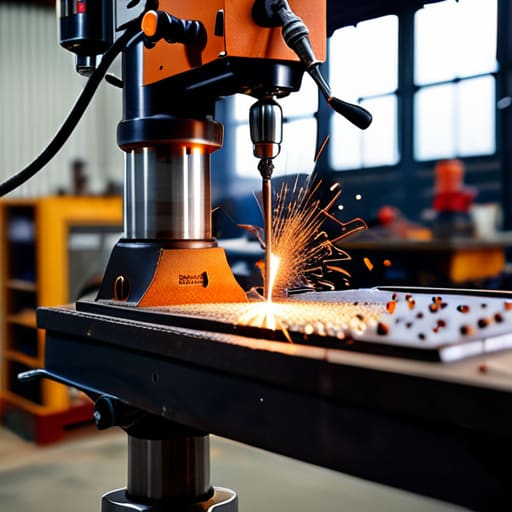
Now, when you’re deciding between a benchtop drill press vs floor models, you’ve got to decide what kind of work you’re actually planning to do. I see a lot of folks buying a small benchtop unit because they think their garage is too crowded, only to realize two weeks later that they can’t stabilize a large piece of plate steel on it. A benchtop unit is fine for light hobby work or small parts, but it lacks the sheer mass needed to soak up vibration. If you’re planning on drilling through hard metals, you want something with enough weight to stay put; otherwise, that machine is going to dance across your workbench the moment the bit bites.
Floor models, on the other hand, are the backbone of a serious shop. They offer a much larger stroke and, more importantly, a sturdier column which is vital for maintaining drill press accuracy over years of heavy use. If you’re serious about precision, don’t settle for a flimsy setup just because it fits under a shelf. You need the stability that only a heavy-duty base provides.
The Hidden Cost of Ignoring Drill Press Spindle Speed Settings
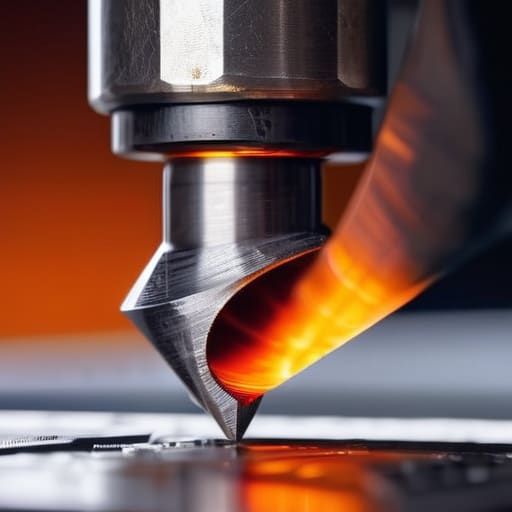
Most folks treat the speed lever like a suggestion rather than a rule, and that’s where they start losing money. If you’re drilling through hard metals like tool steel or even just a thick piece of mild steel, running at too high a speed is a recipe for disaster. You aren’t just wearing down the bit; you’re actually burning the cutting edge right off the tool. I’ve seen too many apprentices ruin a perfectly good cobalt bit in thirty seconds because they thought “faster is better.” When the friction gets too high, the heat has nowhere to go, and once that temper is gone, that bit is nothing more than an expensive piece of scrap metal.
It isn’t just about the bits, either. If you ignore your drilling speed and feed rates, you’re going to end up fighting the machine itself. Running at the wrong RPM creates vibrations that’ll shake your setup loose and chew up your workpiece. You have to respect the physics of the cut. Slow down for the big diameters and the tough stuff, and find that sweet spot where the chip is curling away cleanly. If you start seeing smoke or hearing a high-pitched scream, you’ve already made a mistake. Take a breath, adjust the settings, and do it right the first time.
Five Rules to Keep Your Holes Straight and Your Bits Sharp
- Stop using your drill press as a glorified vise; if you aren’t using a proper drill press vise or clamps to secure your workpiece, you’re begging for a slip that’ll send a bit flying or ruin a perfectly good piece of stock.
- Respect the bit by choosing the right material, because trying to force a standard high-speed steel bit through thick stainless steel without the proper cobalt content is just a fast way to burn up a tool you paid good money for.
- Check your table flatness every few months, because even a slight warp in that cast iron surface will throw off your perpendicularity, and once you lose your square, you’ve lost the whole point of having a press.
- Keep your workspace clear of metal shavings and swarf; I’ve seen too many folks leave a pile of chips on the table only to have them get caught in the spindle or jammed under the workpiece, causing a nasty vibration.
- Listen to the machine, not just your eyes, because a healthy drill press should hum a steady tune, and the second you hear a rhythmic chatter or a high-pitched squeal, you need to stop, back off the pressure, and find out what’s wrong before something snaps.
The Bottom Line Before You Pull the Trigger
Don’t let a small footprint fool you into buying a benchtop model if you’re planning on drilling anything thicker than a sheet of tin; you need the weight and the stability of a floor model to keep your work from dancing around.
Respect your spindle speeds like you respect your heat in a forge, because forcing a bit through hard metal at the wrong RPM is the fastest way to snap a tool or ruin a perfectly good workpiece.
A drill press is only as reliable as the man maintaining it, so invest in a solid machine and spend the time keeping the table square and the lubrication fresh, or you’ll be replacing it sooner than you think.
Respect the Spindle
A drill press isn’t just a way to make holes; it’s a test of your patience. If you treat it like a glorified hand drill and rush your settings, you’ll hear it in the vibration and see it in the ruined workpiece—and by then, you’ve already wasted good steel.
Alistair Fenwick
Making the Right Call for Your Shop
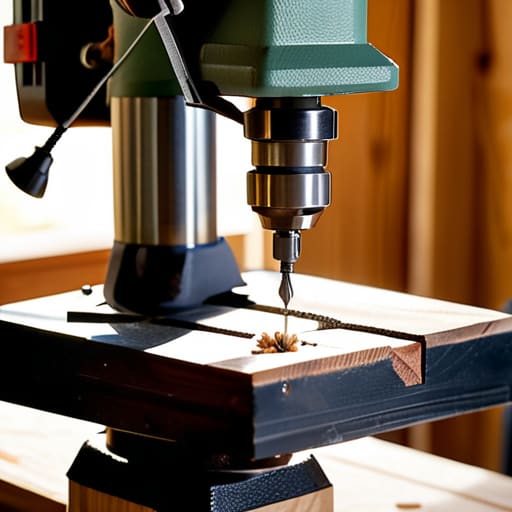
At the end of the day, choosing a drill press isn’t about finding the flashiest machine on the showroom floor or the one with the most bells and whistles. It’s about understanding what you actually need to get the job done right. Whether you settle on a compact benchtop model to save space or invest in a heavy-duty floor model for serious stability, remember that the machine is only as good as the person operating it. You’ve got to respect the physics of the work—pay attention to your spindle speeds, don’t skimp on the stability of your setup, and for heaven’s sake, never ignore the importance of a sharp bit. If you take care of the settings and the mechanics, your machine will take care of you for decades.
I’ve seen too many young folks walk into a shop, grab a tool they don’t understand, and wonder why their work looks like a mess. A drill press is more than just a way to make holes; it is a fundamental pillar of a functional workshop. When you master it, you stop being someone who just “makes things” and start becoming a true craftsman. Don’t be in such a hurry to finish the project that you forget to respect the process. Take your time, listen to the machine, and build things that are meant to endure. That’s how you leave a mark that actually lasts.
Frequently Asked Questions
How do I know if my drill press table is actually square, or am I just drilling crooked holes without realizing it?
You don’t need a fancy laser level to figure this out, just a decent machinist’s square and a bit of patience. Clamp your square to the table and check it against the spindle. If there’s even a hair of light showing between the two, you’re drilling crooked. I’ve seen too many fellas ruin a good piece of steel because they assumed the machine was true out of the box. Check it often.
Is it worth spending the extra coin on a variable speed motor, or can I get by with a belt-driven setup?
Look, if you’re just drilling holes in soft pine, a belt-driven setup will get the job done. But if you’re serious about working with different metals, that extra coin for a variable speed motor is worth every penny. Changing belts is a chore that’ll make you lazy, and laziness leads to mistakes. Being able to dial in your RPMs with a knob means you won’t burn up a bit or ruin a workpiece.
What’s the best way to stop a thin piece of metal from warping or vibrating when I’m trying to bore a clean hole?
If you’re drilling into thin sheet metal, you can’t just let it hang there like a loose leaf. It’ll chatter and dance the moment the bit bites. The trick is to sandwich that piece between two scraps of sacrificial wood or thick MDF. Clamp the whole “sandwich” down tight to your drill press table. That extra mass absorbs the vibration and keeps the metal flat, so you get a clean hole instead of a jagged mess.
