I can still hear the ringing in my ears from a Tuesday afternoon back in ’84, when a rookie in the fabrication shop decided he could force a dull, cheap tool through a thick piece of high-carbon steel. He was swinging a hammer like he was trying to win a prize at a county fair, completely ignoring the fact that his cold chisel was more rounded than a river stone. A split second later, a shard of metal flew off like a bullet, narrowly missing the shop foreman. That’s the problem with the way things are taught today; people think a tool is just an extension of their muscles, rather than an instrument that requires finesse and respect.
I’m not here to sell you some overpriced, titanium-coated gimmick that’ll snap the first time it hits a real knot in the metal. What I want to do is teach you how to actually select, sharpen, and wield a proper cold chisel so you aren’t wasting good material or risking your eyesight. I’ll give you the straight truth on how to read the steel and when to let the tool do the heavy lifting, because if you want to build things that last, you have to master the fundamentals first.
Table of Contents
Choosing Hardened Steel Chisel Types That Last
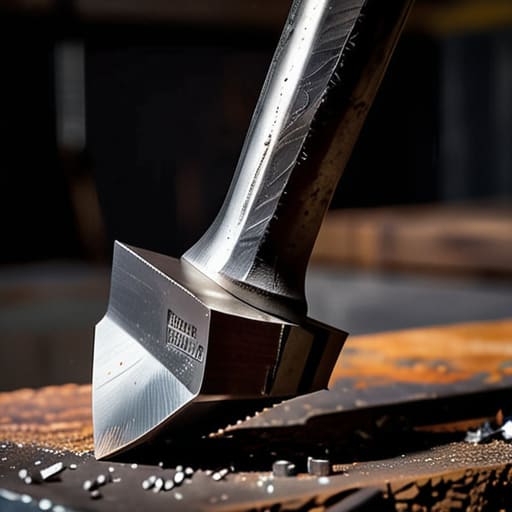
Now, when you’re looking at the different hardened steel chisel types available, don’t just grab the first cheap one you see at the big-box store. A tool that’s too soft will mushroom at the head after three strikes, and a tool that’s too brittle will shatter like glass, which is a recipe for a trip to the emergency room. You want something tempered properly—hard enough to bite into the metal, but with enough “give” so it doesn’t snap under pressure. I always look for a tool with a clean, consistent grain in the steel; if it looks pitted or uneven right off the shelf, leave it behind.
When you’re actually out in the shop, remember that the quality of your edge is just as important as the steel itself. If you’re working on a tough job like removing rusted bolts with a chisel, you can’t afford a dull bit. A dull edge forces you to swing harder than necessary, and that’s when things go sideways. Keep your tools honed, and always make sure you’re using a heavy enough striking tool to drive the cut without losing control.
Chisel Sharpening Techniques for Real Metalworking
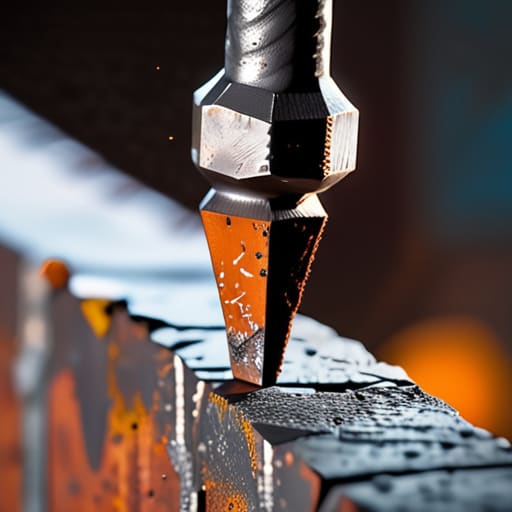
Now, once you’ve got a decent tool in your hand, don’t you dare let it get dull. A blunt edge is more than just frustrating; it’s dangerous. When you’re trying to bite into something stubborn, like when you’re removing rusted bolts with a chisel, a dull blade will want to skid off the surface instead of digging in. That’s how accidents happen. You want a clean, crisp bevel that slices through the grain. I always keep a fine-grit file and a small whetstone right on my bench. Don’t go chasing a razor edge like you’re shaving for a wedding—you need a slight, sturdy radius on the corner so the edge doesn’t chip the moment you start swinging.
When you sit down for your chisel sharpening techniques, remember that consistency is everything. Use a flat file to establish your primary bevel first, and keep your strokes steady and even. If you’re working with high-carbon or various hardened steel chisel types, you have to be careful not to overheat the metal while grinding, or you’ll ruin the temper and leave you with a piece of useless scrap. Once the shape is right, finish it off with a stone to smooth out those file marks. A well-maintained edge makes the work feel like it’s doing itself.
Five Ways to Stop Treating Your Chisel Like a Hammer
- Watch your striking angle. If you’re coming at the metal too shallow, you’re just going to glance off and send that chisel flying toward your shins or your workbench. Keep the edge square to the work; it’s the only way to bite into the steel without losing control.
- Stop hitting the tool like you’re trying to punish it. A heavy, frantic swing doesn’t make the job go faster—it just mushrooms the head of the chisel and ruins the temper. Use a steady, rhythmic strike. Let the weight of the hammer do the heavy lifting, not your ego.
- Check for mushrooming after every session. If that striking end starts looking like a flattened mushroom, grab a grinder and clean it back to a proper bevel. If you don’t, those little shards of hardened steel will eventually fly off when you hit it, and trust me, you don’t want a piece of steel in your eye.
- Don’t try to force a dull edge through tough material. I see people doing this all the time—they think they’re being “tough,” but they’re actually just destroying the tool and the workpiece. If you have to lean your whole body weight into the strike just to make a dent, it’s time to step away and get the stones out.
- Keep the tip clean of debris. After you’ve made a few cuts, clear away the metal shavings. If you’re working on a fine restoration, even a tiny bit of grit trapped under the edge can cause you to slip and mar a surface you’ve spent an hour prepping.
The Bottom Line on Using a Cold Chisel
Don’t go hunting for the cheapest tool in the bin; a chisel is only as good as the steel it’s made from, so invest in something properly hardened that won’t mushroom the moment it hits a real job.
Keep your edge sharp and your technique steady, because a dull tool is just a way to bruise your hands and waste your energy without actually making any progress on the metal.
Treat your tools with a bit of respect by cleaning them up and checking for cracks after every use, because a tool that fails mid-strike is a tool that’s about to cause someone an injury.
The Truth About the Edge
A cold chisel isn’t a hammer for everything you’re frustrated with; it’s a precision instrument that demands a steady hand and a sharp edge, because if you start treating it like a blunt instrument, the steel will start treating you like an amateur.
Alistair Fenwick
Final Thoughts Before You Hit the Bench
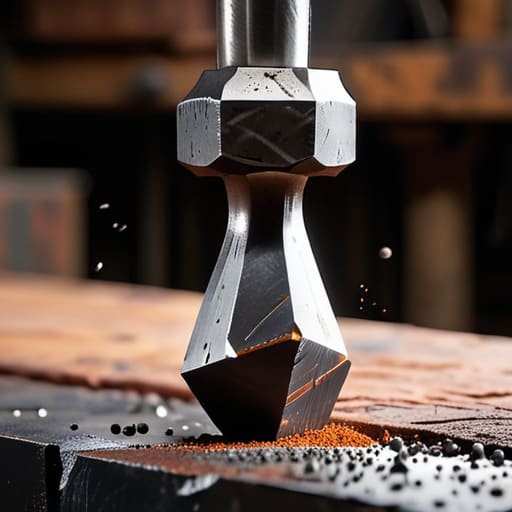
At the end of the day, a cold chisel is only as good as the man swinging it. You’ve learned that you can’t just grab any scrap of metal from the bin and call it a tool; you need properly hardened steel that can take a beating without shattering or mushrooming into a useless lump. You’ve seen why keeping that edge sharp matters just as much as the strike itself, and why rushing the job is a one-way ticket to a ruined workpiece or a bruised knuckle. Remember, whether you’re cutting through a rusted bolt or cleaning up a seam, the goal is precision and control, not just raw force.
I’ve spent forty years in shops, and I can tell you that the tools you respect are the ones that stay with you for a lifetime. Don’t be in such a hurry to finish the task that you forget to respect the material in front of you. There is a certain kind of quiet satisfaction that comes from a clean, deliberate cut made with a tool you’ve maintained yourself. So, grab your hammer, check your edge, and do the job right. We aren’t just moving metal here; we are building a foundation of true craftsmanship that stays solid long after the dust settles.
Frequently Asked Questions
How do I know if my chisel has become too soft from repeated sharpening and needs to be re-hardened?
You’ll know it’s gone soft when the edge starts folding over like wet cardboard instead of biting into the metal. If you’re hitting a piece of steel and the tip just mushrooms or rolls instead of shearing the material, you’ve overheated it. You’ve likely drawn the temper right out of the steel by getting it too hot during sharpening. Once that happens, it’s useless for real work; you’ll need to re-harden and temper it properly.
Is there a specific way to set up my anvil or workbench to prevent the chisel from bouncing or slipping when I'm hitting it hard?
If that chisel is jumping or sliding, you’ve got a stability problem. First, check your anvil; if it’s sitting on a flimsy stand, you’re losing half your energy to vibration. I always prefer a heavy, solid stump or a workbench that’s bolted tight to the floor. If you’re working on a bench, make sure it’s heavy enough to stay put. A bit of extra weight or a steady base means the force goes into the steel, not back into your wrist.
What’s the best way to tell if I’m using too much force and risking a fracture in the tool versus actually cutting the metal?
Listen, if you’re leaning your whole body weight into that hammer, you’ve already lost the battle. You’ll know you’re overdoing it when the vibration starts traveling up your arm like a shockwave instead of a clean, sharp snap. A good cut should feel rhythmic. If you feel the tool “skating” or bouncing off the surface, stop. You aren’t cutting; you’re just bruising the steel. Back off, check your edge, and let the tool bite.
