I remember standing in a fabrication shop back in ’84, watching a young apprentice blow a fuse on a brand-new, high-end band saw because he thought the fancy digital readout would do the thinking for him. He’d spent more on the machine’s bells and whistles than on the actual steel he was cutting, and when the motor burned out, he was left staring at a useless hunk of scrap. Nowadays, you walk into any big-box store and get buried under a mountain of marketing for “smart” metal-working saws that promise precision but lack the actual backbone to handle a heavy workload. It’s all flash and no grit, and frankly, it’s a waste of a working man’s hard-earned money.
I’m not here to sell you on the latest gadget or some overpriced piece of plastic that’ll end up in a landfill in three years. My goal is to cut through the noise and help you identify metal-working saws that are actually built to endure. I’ll tell you exactly what to look for in terms of frame rigidity, motor torque, and ease of maintenance, because if you can’t service the tool yourself, you don’t truly own it.
Table of Contents
Manual vs Power Metal Saws Respect the Craft
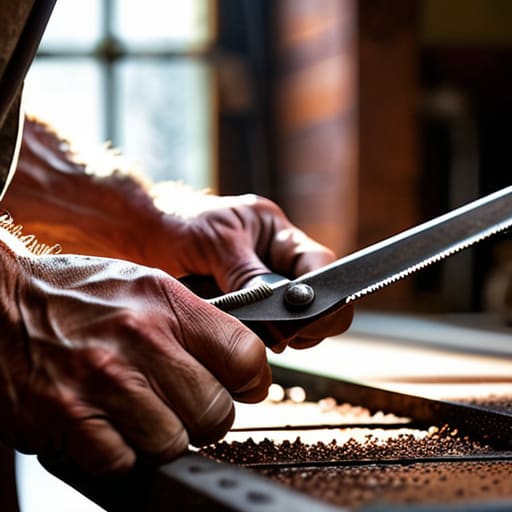
Now, there’s a divide in the shop between the fellas who want everything done in a heartbeat and those who actually want to feel the material. When you’re weighing manual vs power metal saws, you aren’t just choosing between speed and effort; you’re choosing how much control you have over the cut. A hand saw, like a good old-fashioned hacksaw, demands your full attention. You have to respect the stroke and the tension. It’s slower, sure, but when I’m working on a delicate restoration or a piece of thin-walled tubing where a sudden jerk from a motor might ruin the job, I’ll take the manual route every single time.
That said, I’m not a Luddite. If I’ve got a stack of heavy structural steel to get through, I’m reaching for a bandsaw for metal cutting without a second thought. Power tools are essential pieces of metal fabrication tools, but they can be unforgiving if you treat them like toys. You can’t just set a machine to “auto-pilot” and walk away to grab a coffee. You still need to watch your feed rate and listen to the sound of the blade; if it starts screaming, you’re doing something wrong.
Invest in Metal Fabrication Tools Built to Last
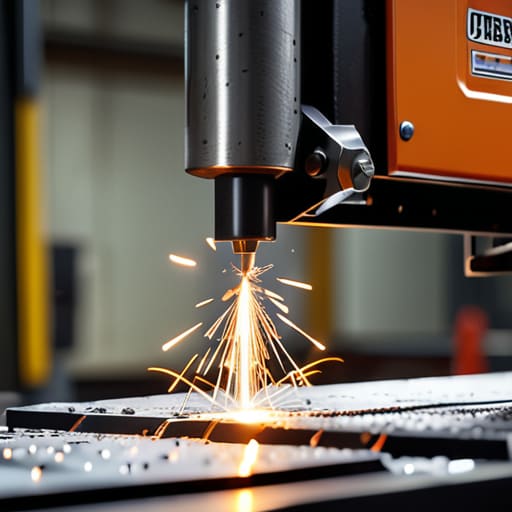
When you’re setting up a shop, the temptation to go for the cheapest option on the shelf is strong, but I’ve seen too many men regret it when a plastic-heavy machine fails halfway through a critical cut. If you’re serious about your work, you need to look for metal fabrication tools that have some real heft to them. A machine with a heavy cast-iron base isn’t just about weight; it’s about dampening the vibration that ruins your accuracy. If the machine shakes like a wet dog every time the blade bites, you aren’t going to get the clean edges required for professional joinery.
I always tell my apprentices to look at the internals before they look at the price tag. Whether you are eyeing a heavy-duty bandsaw for metal cutting or a sturdy hacksaw frame, check the quality of the bearings and the rigidity of the guides. Cheap tools use thin, stamped steel where they should be using solid plate. You want something that can take a bit of abuse and still hold its alignment. Remember, a tool that breaks in six months isn’t a bargain—it’s just a piece of scrap you paid for twice.
Five Rules of Thumb Before You Make Your First Cut
- Don’t go chasing the cheapest blade on the market just to save a few bucks. A cheap blade will wander, heat up too fast, and leave you with a jagged mess that takes twice as long to grind smooth. Buy the quality steel, even if it costs more upfront.
- Watch your speed, or the speed will watch you. If you’re using a power saw and you see the metal turning blue or glowing, you’re pushing too hard and ruining the temper. Slow down and let the teeth do the work; don’t try to force the machine through the job.
- Always secure your workpiece like your life depends on it. A piece of metal that shifts mid-cut isn’t just a ruined project—it’s a projectile waiting to happen. Use heavy-duty clamps and make sure your stock is seated firm against the fence.
- Listen to the sound of the cut. A good saw has a steady, rhythmic hum. If you start hearing a high-pitched scream or a heavy vibration, stop immediately. That’s the machine telling you the blade is dull or your tension is off, and ignoring it is a quick way to break something expensive.
- Keep your workspace clear of the small stuff. Metal shavings and offcuts are more than just a mess; they’re a slip hazard and a nuisance that can get sucked into your saw’s motor. Sweep up as you go, and keep your cutting area clean enough to actually see the lines you’re marking.
The Essentials of a Proper Metal-Cutting Setup
Don’t prioritize speed over accuracy; a saw that cuts fast but leaves a jagged, uneven edge is just forcing you into more work with the grinder later.
Buy tools with replaceable parts, because if you can’t swap out a blade or a bearing yourself, you don’t own a tool—you own a paperweight.
Always match the saw’s capacity to the actual thickness of the steel you work with most, rather than buying a massive machine just to make your shop look professional.
The Cost of a Cheap Blade
A saw isn’t just a way to get through a piece of stock; it’s an extension of your hands. If you buy a cheap, flimsy machine just to save a few dollars today, you’ll end up paying for it tenfold in ruined material and wasted time when it inevitably fails you mid-cut.
Alistair Fenwick
The Long View on Your Workshop
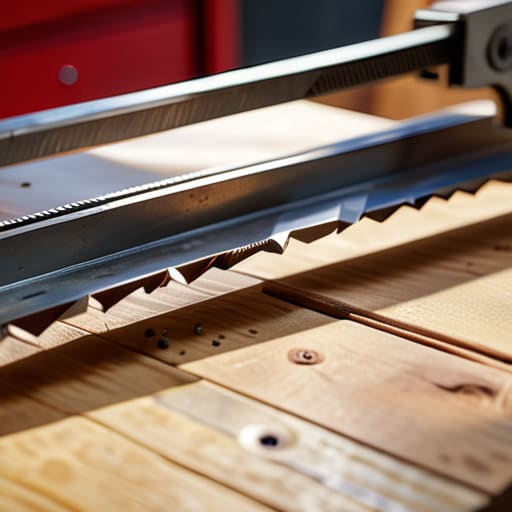
At the end of the day, choosing a saw isn’t about finding the flashiest model on a showroom floor or the one with the most digital bells and whistles. It’s about understanding whether you need the surgical precision of a manual hacksaw for delicate work or the raw, steady power of a mechanical saw to get through thick-walled tubing. You’ve got to weigh the cost of the tool against the longevity of its parts and the ease with which you can swap out a blade or tune the motor. If you buy a machine that’s impossible to service, you haven’t bought a tool; you’ve bought a future piece of scrap metal that’s just taking up space in your shop. Invest in quality, maintain your equipment, and don’t settle for anything that can’t stand up to a real day’s work.
I’ve seen plenty of young folks walk into a shop with brand-new, expensive gear only to give up the moment something goes sideways because they didn’t understand the mechanics behind the machine. Don’t let that be you. Treat your saw with the respect it deserves, and it will reward you with clean cuts and reliable performance for decades. There is a certain kind of satisfaction that comes from hearing a well-tuned blade bite into steel, knowing that you are the one in control of the process. Remember, we aren’t just cutting metal; we are preparing the foundation for something that’s meant to endure. Work slow, work smart, and build it right the first time.
Frequently Asked Questions
How do I know if a saw's motor has enough grunt for the thickness of the steel I'm planning to cut?
You don’t judge a motor by the sticker on the box; you judge it by how it handles the load. If you’re tackling thick plate, you need something that won’t bog down and scream when the blade bites. A motor with enough grunt won’t lose its RPMs the moment it meets resistance. If the tool starts stuttering or smelling like burnt copper, it’s underpowered. Don’t force it—if it can’t maintain its pace, it’s not the right tool for the job.
Is it worth spending the extra money on a high-end blade, or am I better off buying a bulk pack of cheaper ones and expecting them to dull?
Look, I’ve seen plenty of fellas blow through a dozen cheap blades in an afternoon, only to realize they spent more on the bulk pack than a single quality one would’ve cost. If you’re cutting thin, soft stuff, a bulk pack won’t hurt. But if you’re tackling hardened steel or thick plate, buy the high-end blade. A good blade holds its edge and cuts true; a cheap one just heats up and ruins your workpiece.
When should I stop trying to force a manual hacksaw to do a job and finally bite the bullet on a power saw?
Listen, there’s no shame in a hacksaw—it teaches you how the metal feels and how it wants to break. But you’ll know it’s time to bite the bullet when you find yourself fighting the tool more than the material. If you’re spending an hour struggling through a single cut that should take minutes, or if your hands are shaking from the effort, you’re wasting more than just time; you’re wasting your focus and your patience. Get the power saw.
