I remember sitting in a cramped, soot-stained workshop back in ’84, listening to the rhythmic clink-clink-clink of a hammer hitting an anvil while the smell of hot iron and burnt oil filled my lungs. I watched a young apprentice try to rush a bend on a heavy steel bracket, thinking he could skip the proper heating cycle just to finish his shift early. Within ten minutes, the metal groaned and snapped, leaving nothing but a pile of wasted scrap and a lesson he’d never forget. That’s the trouble with how people view metal fabrication these days; they see it as a race to the finish line rather than a dialogue between the maker and the material.
I’m not here to sell you on fancy, computerized gadgets that do all the thinking for you, nor am I going to sugarcoat how much sweat goes into a job well done. What I am going to do is give you the straight truth about the fundamentals. I’ll show you how to respect your tools and your heat, so you can stop making disposable junk and start producing work that actually lasts.
Table of Contents
Mastering Precision Metalworking Processes for Life
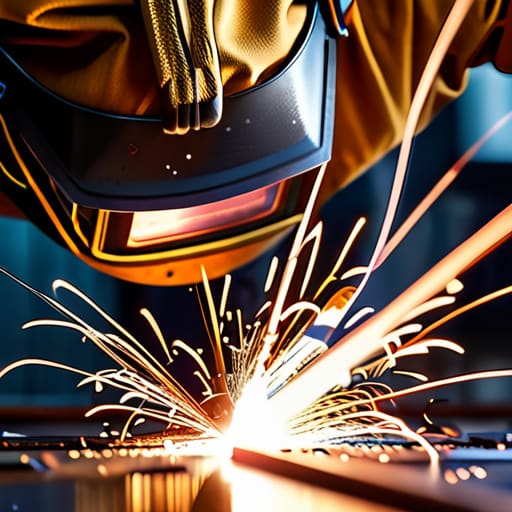
When you move beyond basic repairs and start looking at more complex builds, you have to respect the difference between “making it fit” and true precision. In my years on the shop floor, I saw too many young lads try to skip the math and rely on guesswork. If you want your work to hold up under real stress, you need to master various precision metalworking processes before you even strike an arc. Whether you are working with heavy plate or thin gauges, understanding how the material reacts to heat and pressure is the difference between a tool that lasts a lifetime and a piece of scrap that fails when you need it most.
It isn’t just about the heavy stuff, either. Even when you’re dealing with lighter work, like industrial sheet metal fabrication, the margin for error is razor-thin. One wrong bend or a poorly timed cut, and you’ve wasted good stock. I’ve always told my apprentices: take the time to measure twice and check your tolerances three times. If you don’t have the patience to get the geometry right, you’ll spend more time grinding down mistakes than you would have spent just doing it right the first time.
Choosing Right Metal Fabrication Material Types
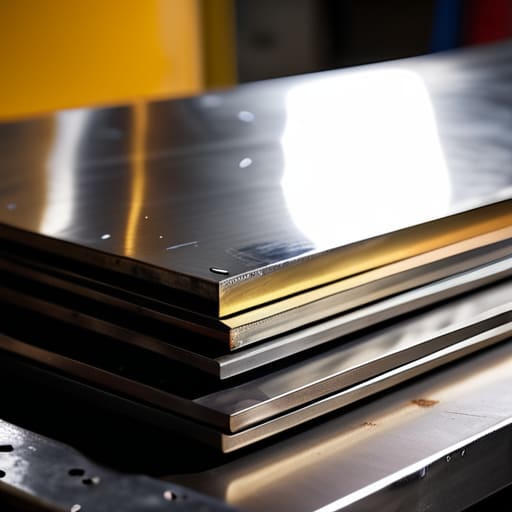
Now, before you even think about striking an arc or setting up a jig, you’ve got to understand what you’re actually working with. Picking your metal fabrication material types isn’t just about what looks good on a blueprint; it’s about how that material behaves when the heat hits it or the pressure mounts. If you grab a piece of low-carbon steel when you should have been using stainless, you aren’t just making a mistake—you’re wasting a perfectly good afternoon and a pile of scrap.
You’ll find that aluminum is a dream for weight, but it’ll fight you tooth and nail if your welding and metal joining techniques aren’t spot on. On the other hand, if you’re looking at heavy-duty industrial sheet metal fabrication, you need to respect the gauge and the temper. I’ve seen too many youngsters jump straight into high-end CNC machining and fabrication without realizing that the machine only knows as much as the man feeding it. You have to know the grain, the hardness, and the way the metal breathes. If you don’t respect the material, the material won’t respect your work.
Five Rules to Keep Your Work from Ending Up in the Scrap Bin
- Respect your measurements twice and cut once. I’ve seen too many young fellas rush to the saw because they think they’re fast, only to realize they’ve wasted a perfectly good length of steel because they misread a tape measure. Slow down; the metal isn’t going anywhere.
- Don’t fight the heat, work with it. Whether you’re welding or bending, you have to understand how the temperature changes the temperament of the metal. If you try to force a bend when the material is too cold, you’re going to end up with a crack that’ll ruin the whole piece.
- Keep your tools as sharp as your wits. A dull blade or a worn-out grinding disc doesn’t just make the job harder; it makes it dangerous and sloppy. I always say a clean tool is a sign of a disciplined mind, so spend the time maintaining your gear.
- Clean your joints before you ever strike an arc. If there’s rust, oil, or even a bit of shop grime on that surface, your weld is going to be garbage. You can’t build something that lasts on top of a dirty foundation.
- Listen to the sound of your work. Every hammer blow and every hiss of the torch tells you something about what’s happening under the surface. If the rhythm feels off or the sound changes, stop what you’re doing and figure out why before you go any further.
Lessons from the Bench: What You Need to Carry Forward
Respect your materials from the start; whether it’s mild steel or a specialty alloy, knowing exactly what you’re working with prevents more than just mistakes—it prevents wasted scrap.
Don’t let a lack of patience ruin a good piece of metal; if you try to force a bend or rush a weld before the heat is right, you’ll end up fixing your own errors instead of building something new.
Invest in the skill, not just the gear; a fancy machine won’t save you if you don’t understand the fundamentals of how metal behaves under pressure and heat.
The Cost of a Shortcut
You can always tell a man’s character by the way he treats a weld or a cut when nobody’s watching; if you try to cheat the metal to save ten minutes, you’ll spend ten hours fixing the mess you made.
Alistair Fenwick
The Long View on Metalwork
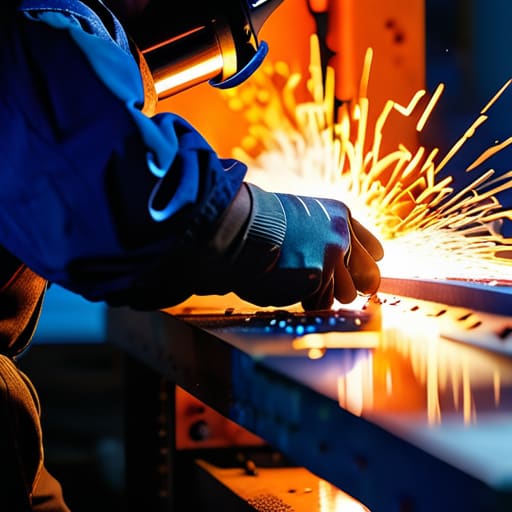
At the end of the day, successful metal fabrication comes down to how well you understand your tools and the temperament of your materials. We’ve walked through the necessity of choosing the right stock and the discipline required to master your processes, but remember that none of this matters if you try to skip steps. Whether you are working with heavy industrial steel or fine-gauge sheet, you have to respect the science behind the heat and the strength of the weld. If you don’t take the time to get the foundation right, you aren’t building anything; you’re just making a mess that someone else will have to clean up later. Precision isn’t a suggestion; it’s the standard.
I know it’s tempting to rush a job when the clock is ticking or the modern world tells you to just buy a replacement, but there is a deep, quiet satisfaction in knowing you built something that can withstand the test of time. When you finish a piece and run your hand over a smooth, seamless joint, you’re feeling the result of your own patience. Don’t just aim to finish the project; aim to leave behind something that actually lasts. Take your time, keep your tools sharp, and never settle for “good enough” when you have the skill to make it right.
Frequently Asked Questions
How do I know when my metal is actually at the right temperature for welding without ruining the temper?
You can’t just eyeball it and hope for the best; that’s how you end up with brittle, useless scrap. If you’re working with tempered steel, you need to watch for that subtle change in color. Once you see a deep straw or a dull blue creeping in, you’ve likely already crossed the line. I always keep a tempilstik or a digital pyrometer handy. Don’t guess. If you don’t respect the heat, the heat won’t respect your work.
What’s the best way to clean up rust on old cast iron without stripping away the seasoning I worked so hard to build?
Now, don’t go reaching for the steel wool or any harsh chemicals just yet. If you scrub too hard, you’ll strip that hard-earned seasoning right down to the raw iron, and then you’re back to square one. Grab a stiff nylon brush and some warm water with a bit of mild soap. Scrub the spots gently, dry it immediately on a warm stove, and then hit it with a thin layer of oil. Respect the patina.
If I'm working in a small home shop, which basic hand tools are worth the investment and which ones are just cheap junk?
Don’t waste your hard-earned money on those cheap, colorful tool kits you see in big-box stores; they’ll round off your bolts before you’ve even finished your first project. Invest in a solid set of high-carbon steel files, a decent pair of heavy-duty aviation snips, and a quality machinist’s square. If the square isn’t true, nothing you build will be. Buy tools that feel heavy and balanced in your hand—they’re worth the extra coin.
