I spent forty years in fabrication shops where if you didn’t respect your materials, they’d bite you back, and I see the exact same mistake happening in backyard plots today. People head down to the big-box stores, buy a dozen plastic gadgets and overpriced “miracle” fertilizers, and wonder why their plants wither before the first frost. They treat it like a retail transaction instead of a foundation project. If you’re looking for a quick fix or a way to buy your way into a harvest, you’re looking in the wrong place; learning how to start a vegetable garden isn’t about how much money you spend on fancy equipment, it’s about understanding the grit and the ground you’re working with.
I’m not here to sell you a lifestyle or some glossy, filtered dream of a perfect Eden. What I’m going to give you is the straight truth, built on the same principles I used in the workshop: measure twice and cut once. I’ll show you how to prep your soil like you’re prepping a weld and how to build a system that actually holds up when the weather turns sour. We aren’t just planting seeds; we’re building something that lasts.
Choosing Your Ground Raised Bed vs in Ground Gardening
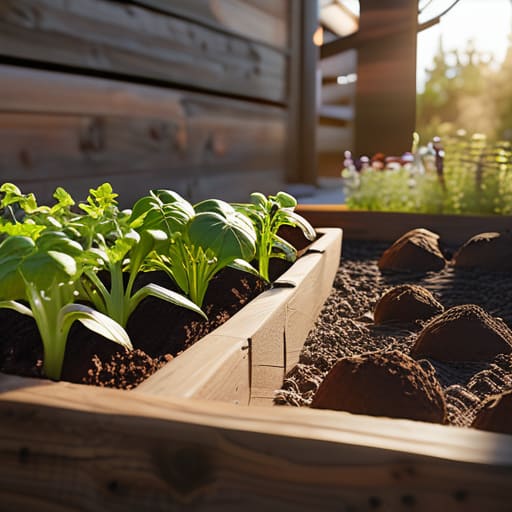
Now, before you go digging holes in the backyard, you need to decide where your plants are actually going to live. It’s a bit like choosing between a custom-built workbench or just clearing off a corner of the garage floor; both work, but one is going to save you a hell of a lot of frustration in the long run. When you’re weighing raised bed vs in-ground gardening, you’re really looking at how much control you want over your environment. In-ground is the traditional way, and it’s cheap, but you’re at the mercy of whatever heavy clay or rocky grit is already sitting in your dirt.
If you go the raised bed route, you’re essentially building a custom container. It allows you to bypass poor native soil entirely by bringing in your own high-quality mix, which is a massive advantage for vegetable garden soil preparation. You get better drainage and less compaction since you aren’t walking all over the planting area. Just remember: a raised bed is an investment in structure. If you build it right—using solid timber and not some flimsy, rotting pine—it’ll serve you for years. If you rush the construction, you’ll be fixing it before the first harvest even comes in.
Proper Vegetable Garden Soil Preparation for Longevity
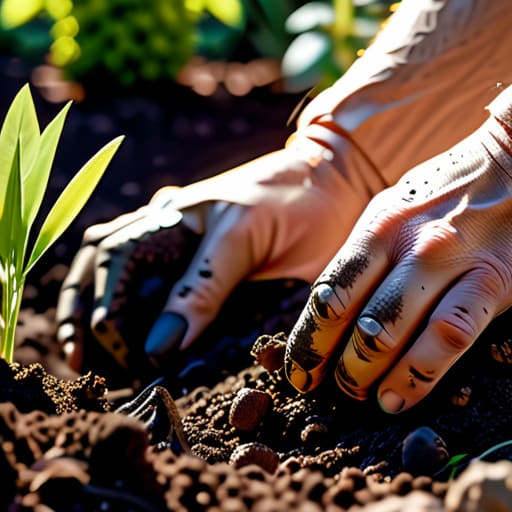
Now, once you’ve decided where the beds are going, you can’t just scrape off the top layer of grass and call it a day. That’s like trying to weld a bead on rusted, scale-covered steel; it might hold for a minute, but the foundation is junk. Real vegetable garden soil preparation is about building structure. You need to get down into the dirt, turn it over, and work in plenty of well-rotted compost or aged manure. I always say you’re not just feeding the plants; you’re building a living engine that’s going to drive your entire harvest.
If you’re working with raised beds, you’ve got even more control, but don’t get lazy with the mix. You want a blend that drains well but holds onto enough moisture so you aren’t fighting a losing battle with your watering schedules for home gardens every single afternoon. If the soil is too heavy with clay, it’ll choke your roots; if it’s too sandy, everything will wash away. Take the time to amend it properly now. It’s a lot of heavy lifting upfront, but it beats watching your hard work wither away because you were too impatient to do it right.
Don't Get Ahead of Your Tools: Five Rules for a Garden That Holds Up
- Pick your spot based on the sun, not your convenience. I’ve seen folks set up a patch in a shady corner just because it was close to the back door, only to watch their tomatoes struggle and starve. You need at least six to eight hours of direct light; if the foundation of your sunlight is weak, nothing else you do will matter.
- Start small enough that you can actually manage it. It’s easy to get ambitious and map out a massive plot on a piece of paper, but once the weeds start moving in, you’ll realize you’ve bitten off more than you can chew. A small, well-tended patch is worth ten overgrown acres of dead vines.
- Invest in real tools, not the cheap plastic junk. You wouldn’t use a flimsy, rusted wrench to fix a heavy engine, so don’t expect a garden trowel made of thin tin to last more than a season. Get yourself a solid spade and a sharp hoe—tools that have some weight to them and can be maintained.
- Watch your water supply like a hawk. There’s no sense in building a beautiful garden if you’re going to spend all your time hauling heavy buckets from the kitchen sink. Make sure your water source is close and reliable, otherwise, you’ll end up neglecting the plants when the heat hits.
- Keep a notebook, not just a memory. I keep a small log in the shop for my fabrication projects, and you should do the same for your garden. Write down when you planted, what the weather did, and which varieties actually thrived. If you don’t track your mistakes, you’re doomed to repeat them next spring.
The Long Game: Planting for the Future
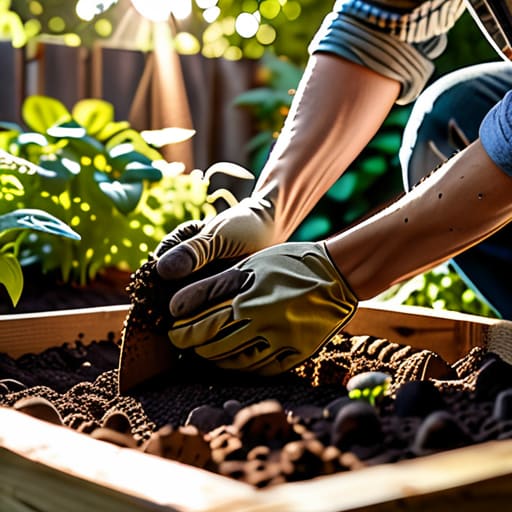
At the end of the day, setting up a garden is a lot like setting up a proper workshop; if you don’t get the foundation right, nothing else is going to work the way it should. You’ve spent the time deciding between raised beds or in-ground plots, and you’ve done the heavy lifting to get your soil conditioned and ready for work. Don’t go thinking you’re finished just because the seeds are in the dirt. You’ve built the structure, and now you have to maintain the integrity of that ground. Remember, a garden isn’t a one-off project like a quick weld; it’s a continuous cycle of preparation, planting, and repair. If you treat your soil with the same respect you’d give a piece of fine tool steel, it’ll reward you for years to come.
My advice to you is simple: don’t rush the process. In my shop, I learned long ago that the fastest way to ruin a good piece of metal is to try and force a result before the material is ready. Gardening is no different. There will be seasons where things don’t go according to your plans, and you’ll have to troubleshoot your soil or your drainage just like I’d troubleshoot a faulty machine. But if you approach it with patience and a willingness to learn from your mistakes, you aren’t just growing food—you’re building a skill that lasts a lifetime. Get your hands dirty, keep your tools sharp, and build something that lasts.
Now, once you’ve got your soil prepped and your beds laid out, you’re going to realize that a garden is a lot like a piece of machinery—it requires constant, fine-tuned maintenance to keep it running smooth. You can’t just set it and forget it. I’ve found that the best way to avoid making rookie mistakes is to keep a steady line of communication open with folks who actually know their way around a toolkit or a garden bed. If you’re ever feeling stuck on the finer details of your setup, I usually suggest checking out Casuallondon chat to see what others are doing; it’s a good way to gather some practical wisdom before you commit to a mistake you can’t easily undo. It’s better to measure twice and cut once, even when you’re working with living things.
