I remember standing in a fabrication shop back in the late eighties, watching a kid try to scrub oxidation off a piece of heavy plate with a wire brush so flimsy it looked like it belonged in a kitchen drawer. He was sweating, cursing, and getting absolutely nowhere because he thought the brand name on the handle mattered more than the grit of the wire. People today seem to think you can just go online, click a button, and buy a magic wand, but the truth is that most of the metal-working brushes sitting on big-box store shelves are nothing more than overpriced junk designed to break before you even finish your first pass.
I’m not here to sell you on some shiny, high-tech gadget that’s going to end up in a landfill by next Tuesday. What I want to do is show you how to pick the right tool for the specific job sitting on your bench, whether you’re cleaning up a rusted heirloom or prepping a weld. I’ll tell you straight which bristles hold their shape and which ones are just a waste of good sweat. We’re going to focus on the gear that actually respects the metal, so you can stop fighting your tools and start doing real work.
Table of Contents
Abrasive Wire Bristles Dont Waste Good Material
### Abrasive Wire Bristles: Don’t Waste Good Material
When you’re staring down a heavy layer of scale or deep oxidation, your first instinct might be to grab the coarsest brush you can find and start swinging. Slow down. If you’re working on a piece that needs to stay clean for welding or high-end finishing, you have to be mindful of preventing surface contamination. I’ve seen too many young fellas use a carbon steel brush on a piece of stainless and wonder why they’re seeing rust spots pop up a week later. You have to match the material of the bristles to the workpiece, plain and simple.
If you’re using rotary wire brush attachments on a grinder, remember that speed isn’t your friend if you don’t have control. Those high-RPM brushes can chew through your base metal faster than you can blink, turning a simple cleaning job into a ruined project. It’s not just about stripping the junk off; it’s about respecting the integrity of the metal underneath. Take your time, watch your pressure, and don’t let the tool do the thinking for you.
Carbon Steel vs Stainless Steel Brushes Avoid Contamination
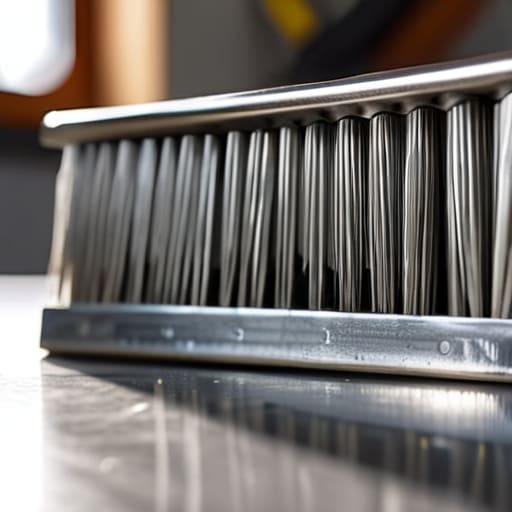
Now, this is where I see most folks trip up in the shop. They grab whatever brush is lying around on the workbench without giving a second thought to what’s actually in those bristles. If you’re working on a piece of stainless steel and you use a carbon steel brush to clean it, you’ve just doomed that project. You’ll embed tiny particles of carbon steel into the surface of the stainless, and those little bits will rust faster than a gate in a rainstorm. This is the essence of preventing surface contamination; you have to treat your tools with as much respect as the metal itself.
I always tell my apprentices that you need to keep your kits separate. If you’re doing heavy-duty rust removal tools work on old cast iron, use your carbon steel brushes there. But the moment you move over to a high-grade alloy or a piece of polished trim, switch to stainless. It’s a simple rule, but ignoring it is a shortcut that leads to nothing but frustration and pitted surfaces down the road. Don’t let a moment of laziness ruin a perfectly good piece of material.
Five Rules for Keeping Your Brushes from Ruining Your Work
- Check your bristles before you start. If you’re using a brush that’s lost half its teeth or has loose wires hanging off, you aren’t cleaning the metal—you’re just scratching it up and leaving a mess of loose wire behind.
- Match the stiffness to the job. Using a heavy-duty steel brush on a delicate piece of aluminum is a quick way to gouge the surface beyond repair. Know your material before you start scrubbing.
- Keep your tools dedicated to specific metals. I’ve seen too many fellas use a carbon steel brush on stainless steel and then wonder why they’re seeing rust spots a week later. Once a brush touches a certain metal, that’s its home.
- Don’t push too hard. It’s tempting to lean into it when you’re frustrated with a stubborn patch of oxidation, but you’ll just bend the bristles or wear them down prematurely. Let the wire do the work, not your shoulder.
- Clean the brush itself. If you’re working in a shop with sawdust, oil, or grinding dust, those particles get trapped in the bristles and turn your brush into a muddy mess that just smears grit around instead of cleaning it.
The Bottom Line on Choosing Your Brush
Match your bristles to your metal type every single time; using a carbon steel brush on stainless steel is a shortcut that’ll lead to rust you can’t scrub away later.
Stop buying the cheapest packs of wire brushes you can find online; if the bristles are soft and bend without any resistance, you’re just wasting your time and your sweat.
Treat your prep work with respect by scrubbing until the surface is truly clean, because no amount of fancy welding or finishing can fix a foundation that was rushed.
## The Cost of a Cheap Brush
“A man might think he’s saving a few cents by grabbing a flimsy, cheap brush, but he’s really just paying for it later in ruined finishes and wasted hours. If you don’t respect the prep work, you’re just masking a mess that’ll come back to haunt you the moment you start your weld or your polish.”
Alistair Fenwick
Respect the Prep, Respect the Metal
At the end of the day, choosing the right brush isn’t about picking the most expensive tool on the shelf; it’s about understanding the chemistry and the physics of what’s sitting on your workbench. If you’re working with stainless, you’d better be using a dedicated stainless brush, or you’re just inviting rust to take up residence in your workpiece. Don’t go mixing up your carbon steel and your alloys, and for heaven’s sake, don’t go using a coarse abrasive brush when a fine nylon one will do the job without gouging the surface. If you take the time to match the tool to the task, you’ll find that the metal behaves much more predictably under your hands.
I know it can feel like a chore when you’ve already spent hours on a weld or a grind, but cutting corners during the cleaning stage is a fool’s errand. You can do all the heavy lifting in the world, but if your surface preparation is sloppy, the final result will always be compromised. Real craftsmanship is found in those small, quiet moments of discipline—the parts nobody sees but everyone feels in the finished product. Treat your tools with respect, take your time with the prep, and you’ll build things that stand the test of time rather than things that just look decent for a few days.
Frequently Asked Questions
How often should I be replacing my wire brushes before the bristles start shedding too much?
Listen, there isn’t a calendar date for this; you have to watch the tool, not the clock. If you’re seeing more bristles flying across the shop floor than actually scrubbing the workpiece, that brush is spent. Once the wires start bending or thinning out, they lose their bite and just start scratching the surface without cleaning it. Don’t try to nurse a dying brush—it’ll just frustrate you and ruin your finish. Replace it early.
Can I use a brass brush on aluminum without worrying about scratching the surface?
You can, but don’t go in thinking it’s a magic wand. Brass is much softer than aluminum, so you won’t gouge it like you would with steel, but you’ll still leave some marks if you’re heavy-handed. If you’re working on something where the finish matters—like a polished part—test a small, hidden spot first. It’s better to spend an extra minute being gentle than to spend an hour trying to buff out scratches you didn’t want.
Is there a way to clean a wire brush once it's gotten clogged with grit and old scale?
You can’t just shake it out and hope for the best; once those bristles are packed with scale, they’re useless. I usually take a stiff pick or a small screwdriver and work through the clumps to loosen the grit. If it’s really bad, I’ll soak the head in a bit of penetrating oil to soften the buildup, then beat it against a scrap piece of heavy steel. It’s tedious, but it beats buying a new one.
