I remember sitting in a drafty fabrication shop back in ’84, staring at a piece of tool steel that had been ruined because some kid thought he could outrun the cooling process. The smell of scorched oil and the bitter sting of wasted material—that’s what happens when you treat metalworking precision like it’s something you can just “fudge” with a quick measurement and a prayer. People today seem to think you can just buy a fancy digital caliper and suddenly you’ve mastered the craft, but a tool doesn’t have the soul to tell you when you’re being impatient.
I’m not here to sell you on some expensive, high-tech gadgetry that promises perfection at the push of a button. What I want to do is pass down the actual, hard-earned wisdom of what it means to work with your hands and respect the material you’re holding. I’m going to show you how to develop that steady eye and the discipline required to get things right the first time. We aren’t making disposable junk here; we are learning how to build things that actually last.
Table of Contents
- Mastering Tolerances in Machining Before You Waste Material
- Why Precision Engineering Standards Demand a Patient Hand
- Five Ways to Stop Guessing and Start Measuring
- Lessons from the Bench: What to Remember When the Sparks Fly
- ## The Cost of a Quick Fix
- The Long View on Precision
- Frequently Asked Questions
Mastering Tolerances in Machining Before You Waste Material
Mastering Tolerances in Machining Before You Waste Material
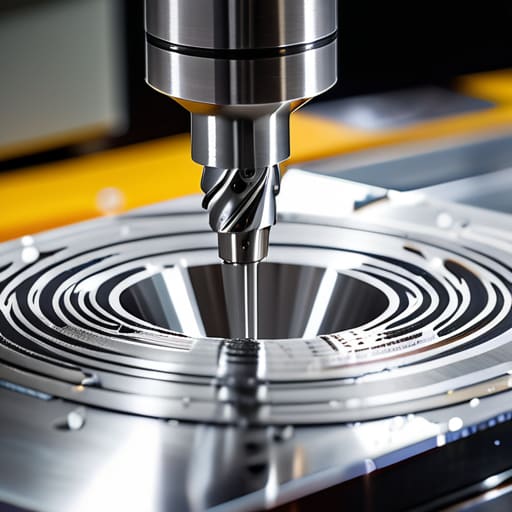
I’ve seen too many young lads walk into a shop, grab a piece of expensive alloy, and start cutting away like they’re carving a block of cheese. They don’t realize that once that metal is gone, it’s gone for good. When you’re dealing with tolerances in machining, you aren’t just playing with numbers on a blueprint; you’re deciding whether a part will fit or become a very expensive paperweight. I always tell my apprentices to measure three times and cut once, but that only works if your tools aren’t lying to you.
Before you even touch the controls on a lathe, you need to verify your gear. I don’t care how much you paid for those calipers; if you haven’t checked your caliper measurement accuracy against a known standard, you’re just guessing. I make it a point to run through my micrometer calibration techniques every single morning before the first chip flies. If your measuring tools are off by even a few thousandths, you’ll spend the rest of the afternoon fighting the machine instead of mastering it. Take the time to get your baseline right, or you’ll be throwing more scrap into the bin than finished parts onto the bench.
Why Precision Engineering Standards Demand a Patient Hand
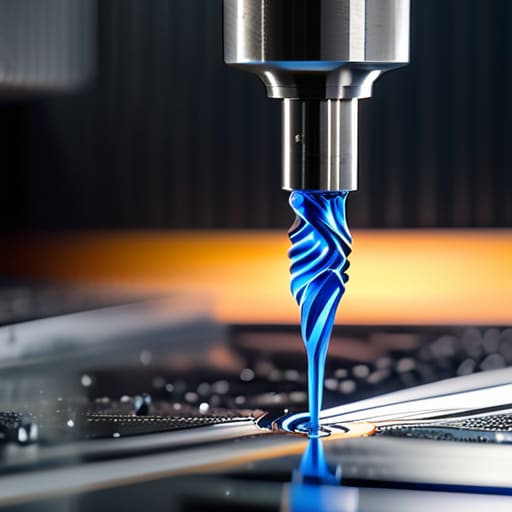
You can’t bully a piece of steel into being perfect. I’ve seen plenty of young lads walk into a shop thinking they can just crank up the feed rate and make up for a lack of finesse with sheer speed. That’s a fool’s errand. When you’re working within strict precision engineering standards, the metal tells you exactly when it’s under too much stress. If you try to force a cut or rush a pass, you’ll end up with heat buildup that warps your workpiece or, worse, ruins your tool bit. You have to learn to listen to the machine and the material, moving with a steady, deliberate rhythm that respects the limits of your setup.
True accuracy isn’t just about the machine’s capability; it’s about the person behind the controls. I always tell my apprentices that your measurement is only as good as your discipline. You might have the best caliper measurement accuracy in the county, but if you’re checking your work with a shaky hand or a rushed eye, you’re just guessing. Take the time to settle into your stance, clear the chips, and verify your dimensions properly. Real craftsmanship is found in those quiet moments between cuts where you ensure everything is exactly where it ought to be.
Five Ways to Stop Guessing and Start Measuring
- Clean your workpiece and your tools before you even think about taking a measurement. A single speck of grit or a thin film of oil on a micrometer can throw your reading off by more than a few thousandths, and in this trade, that’s the difference between a perfect fit and a pile of scrap.
- Stop relying on your eyes to judge a straight edge or a square. Your eyes will lie to you when you’re tired or working under dim shop lights; trust your calipers and your precision squares instead. If the tool says it’s off, it’s off.
- Don’t chase the finish by rushing the grind. I’ve seen too many young lads burn through a piece of good steel because they wanted to see a shine immediately. Take smaller passes, keep your coolant steady, and let the machine do the heavy lifting rather than forcing it.
- Check your setup twice, but only cut once. Before you engage the motor, double-check your workholding and your tool offset. It takes ten seconds to verify your marks, but it takes an hour of swearing and a whole lot of wasted metal to fix a botched setup.
- Learn to feel the vibration in the machine. Precision isn’t just about numbers on a dial; it’s about knowing when your tool is biting too deep or when the material is starting to chatter. You have to listen to the metal and learn its temperament.
Lessons from the Bench: What to Remember When the Sparks Fly
Measure twice and check your setup three times; in this shop, we don’t believe in “close enough” because a fraction of an inch today becomes a scrap pile tomorrow.
Respect the temperature of your material, whether you’re heating or cutting, because forcing a tool or rushing the cooling process will only embrittle the metal and ruin your hard work.
Invest in your own skill and your own tools rather than looking for a quick fix, because a craftsman who understands his equipment is the only one who can truly guarantee a job is done to last.
## The Cost of a Quick Fix
“You can always shave a millimetre off a piece of steel, but you can’t ever put it back once you’ve gone too far. Precision isn’t about how fast you can move the machine; it’s about having the discipline to stop before you’ve ruined the work.”
Alistair Fenwick
The Long View on Precision
At the end of the day, precision isn’t some abstract number on a blueprint or a setting on a digital readout; it’s a habit of mind. We’ve talked about why you can’t afford to ignore your tolerances and why rushing through a heat cycle is a one-way ticket to a ruined workpiece. If you skip the measuring or try to force a fit that isn’t there, you aren’t just wasting a bit of steel—you’re wasting your own time and undermining the integrity of the tool or part you’re building. Precision is about the discipline of doing the small, tedious things correctly so that the final assembly doesn’t fail when the pressure is on.
I’ve spent forty years watching people try to find the “fast way” around a difficult cut or a tight fit, and I’ve never seen anyone succeed that way in the long run. Real craftsmanship is a slow burn. It’s about developing that steady hand and that unwavering respect for the material sitting on your anvil or in your vise. When you finally finish a piece and see that everything lines up exactly as it should, you’ll know it wasn’t luck—it was the work. So, take your time, check your measurements twice, and remember that we aren’t just making parts; we are building things that are meant to outlive us.
Frequently Asked Questions
How do I know when I've pushed a piece of metal too far with heat versus when I'm just getting it to the right working temperature?
You have to watch the color, but don’t trust your eyes alone—the light in your shop can lie to you. You’re looking for a steady, glowing cherry red that holds its hue. If the color starts dancing or turning a bright, angry orange, you’re pushing it. If you see sparks flying or the metal starts to look “wet” and grainy, stop immediately. You’ve gone past working heat and straight into ruining the grain structure.
What are the most essential measuring tools a beginner should invest in if they want to stop guessing and start hitting actual tolerances?
If you’re tired of “eyeballing” it and want to actually hit your marks, stop guessing and start measuring. First, get a decent set of stainless steel calipers—not the cheap plastic ones that flex when you squeeze ’em. Next, grab a precision machinist’s square; if your angles are off, nothing else matters. Finally, pick up a reliable feeler gauge set. These aren’t luxuries; they’re the difference between a part that fits and a pile of scrap.
When working on an old, rusted restoration, how do I balance the need for precision with the reality that the material itself might be uneven or compromised?
You can’t treat a rusted relic like a fresh sheet of mild steel. If the metal is pitted or uneven, trying to force it to meet a factory tolerance is a fool’s errand that’ll just ruin the piece. You have to work with what’s left. Aim for “functional precision”—make sure the parts fit and move correctly, but don’t fight the character of the metal. Clean it up, find your true datum, and adapt.
