I remember standing on the shop floor of a heavy fabrication plant back in ’84, watching a kid try to force a precision job on a machine that was clearly out of alignment. The screech of the wheel against the steel was enough to make your teeth ache, and the smell of scorched coolant was thick enough to chew on. He thought he could make up for a lack of patience by cranking the feed rate, but he was just burning through good material. That’s the trouble with how people look at metal surface grinders these days; they treat them like some magic wand that fixes poor preparation, rather than the precision instruments they actually are.
I’m not here to sell you on some shiny, overpriced showroom model that’ll be nothing more than a heavy paperweight in five years. What I want to do is show you how to identify a machine that actually has some soul and stability behind it. I’ll walk you through what to look for in the castings, how to test the magnetic chuck without getting fooled by a fresh coat of paint, and why you should never, ever settle for a machine that can’t hold its tolerances. We’re going to talk about tools that are built to last.
Table of Contents
- Dont Rush the Specs Reading Surface Grinding Machine Specifications
- The Truth About Precision Machining Processes and Lasting Results
- Five Rules for Keeping Your Surface Grinder from Becoming a Paperweight
- The Bottom Line on Grinding Right
- ## Respect the Table
- Final Thoughts Before You Hit the Switch
- Frequently Asked Questions
Dont Rush the Specs Reading Surface Grinding Machine Specifications
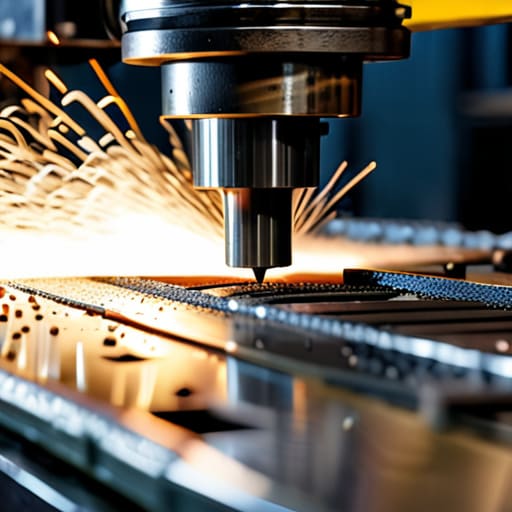
When you’re looking at a spec sheet, don’t let the glossy numbers blind you. Most folks see a high-end machine and assume it’ll do the heavy lifting for them, but you need to look closer at the actual surface grinding machine specifications to see if the tool matches your shop’s reality. I’ve seen too many young guys buy a machine based on its advertised speed, only to realize it lacks the rigidity needed for serious work. You aren’t just buying a motor; you’re buying the stability of the casting and the precision of the spindle.
Pay close attention to the table travel and the capacity of the magnetic chuck. If you’re planning on working with larger plates, a small, flimsy chuck will give you nothing but headaches and uneven finishes. You also need to consider how the machine handles achieving micron-level tolerances. If the specs don’t give you a clear picture of the machine’s thermal stability or its vibration dampening, walk away. A machine that drifts every time the shop temperature changes is nothing more than a very expensive paperweight.
The Truth About Precision Machining Processes and Lasting Results
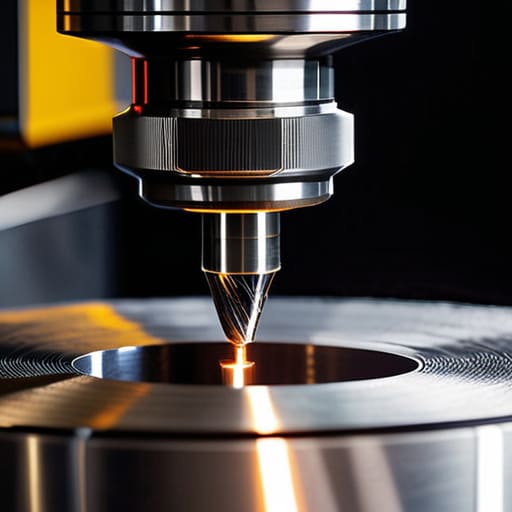
You can buy a machine that claims to hit a certain tolerance on paper, but that doesn’t mean the finished part will hold up under real-world use. I’ve seen too many young guys think that once they’ve dialed in the settings, the job is done. The truth is, true quality comes from understanding how precision machining processes actually interact with the metal. It’s a conversation between you, the tool, and the material. If you aren’t paying attention to how the heat builds up or how the vibration feels through the table, you aren’t really machining; you’re just making noise.
A lot of people get obsessed with the fancy digital readouts and forget the fundamentals, like your grinding wheel selection guide or the condition of your magnetic chuck. If your workholding is even slightly off, or if you’ve picked a grit that’s too coarse for the finish you’re chasing, you’re just wasting time and burning through expensive stock. You have to respect the physics of the cut. Slow, steady passes will always beat a rushed attempt to shave off material, because a machine can’t compensate for a lack of patience.
Five Rules for Keeping Your Surface Grinder from Becoming a Paperweight
- Respect the Magnetic Chuck. If you don’t clean that magnetic chuck until it’s spotless before you mount your workpiece, you’re asking for trouble. Even a tiny speck of grit can tilt your stock, and once that piece isn’t sitting dead flat, you’ll spend the next three hours trying to grind out a mistake that shouldn’t have happened in the first place.
- Don’t Skimp on the Coolant. I see too many young fellas trying to dry-grind fine finishes, thinking it’ll save them a bit of cleanup. You aren’t. Without proper coolant flow, you’re going to cook the part, stress the metal, and burn through your grinding wheel faster than a cheap candle. Keep that temperature stable if you want a stable finish.
- Listen to the Wheel. A surface grinder tells you exactly what’s going wrong if you’re actually paying attention. If the sound shifts from a steady hum to a high-pitched scream or a heavy vibration, stop immediately. You’re either loading up the wheel or you’ve got a truing issue. Don’t try to “power through” a bad sound; that’s how you crack a workpiece or ruin a wheel.
- Take Smaller Passes as You Approach the Finish. It’s tempting to try and take off a tenth of an inch in one go to get the job done, but that’s a shortcut to a ruined surface. I always tell my apprentices: get the bulk of the material off with your heavy passes, but when you’re getting close to your final dimension, dial it back. Those final, light passes are what separate a professional finish from a hack job.
- Dress Your Wheel Regularly. A wheel that isn’t sharp is just a piece of spinning sandpaper that’s going to burn your metal. If you notice the machine is pulling or the heat is spiking, get your diamond dresser out and clean those faces up. It takes five minutes of prep work, but it saves you hours of frustration and a whole lot of wasted stock.
The Bottom Line on Grinding Right
Don’t get blinded by a fancy spec sheet; a machine is only as good as the stability of its base and the quality of its ways.
Precision isn’t a product you buy, it’s a habit you build by taking small, deliberate passes instead of trying to hog material.
Invest in a machine that can be maintained, not one that’s destined for the scrap heap the moment a bearing starts to whine.
## Respect the Table
“A surface grinder isn’t just a machine that shaves off metal; it’s a tool that demands your patience. If you try to force a heavy cut to save ten minutes, you’ll end up with a warped workpiece and a headache that’ll cost you ten times more in ruined stock.”
Alistair Fenwick
Final Thoughts Before You Hit the Switch
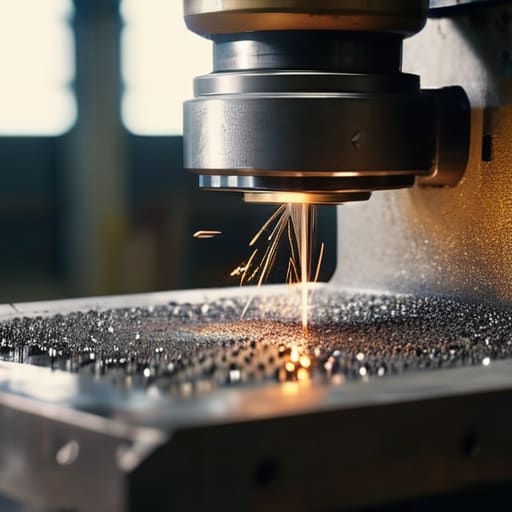
At the end of the day, picking out a surface grinder isn’t just about finding the cheapest machine with the longest list of features on a spec sheet. You’ve got to look at the build quality, the rigidity of the table, and whether the motor has enough grunt to handle the stock you actually work with. If you ignore the fine print or try to skimp on the precision, you’ll find yourself fighting the machine instead of shaping the metal. Remember, a grinder is only as good as the patience of the man operating it and the solid foundation it sits on. Don’t let a flashy sales pitch talk you out of doing the proper research; your work depends on it.
I know it can feel overwhelming when you’re staring at a sea of technical manuals and price tags, but don’t let that stop you from investing in the right tools. There is a particular kind of satisfaction that comes from running a hand over a piece of steel you’ve ground perfectly flat—a piece that’s true to the micron. It’s about more than just utility; it’s about the pride of ownership and knowing you have the capability to do the job right the first time. Take your time, choose wisely, and build something that lasts.
Frequently Asked Questions
How do I tell the difference between a machine built for serious shop work and one of those flimsy, lightweight models that'll lose its precision after a month?
You look at the mass, plain and simple. If you can nudge the machine with your shoulder and it shifts, it’s a toy, not a tool. A real grinder needs weight—heavy, cast-iron stability—to soak up those vibrations. Check the ways; they should be ground smooth and feel substantial, not thin and spindly. If it feels like it was built to be moved around a garage easily, it wasn’t built to hold a tolerance.
Is it worth spending the extra money on a magnetic chuck, or can I get by with mechanical clamping for the kind of restoration work I'm doing?
Look, if you’re just flattening a small, irregular piece of scrap, a mechanical clamp might get you through the day. But for real restoration work? Get the magnetic chuck. Trying to steady a vise or a clamp while you’re chasing precision is a recipe for frustration and uneven passes. A good chuck holds the work flat and true, letting you focus on the grind rather than fighting to keep the piece from dancing.
How often should I actually be checking the table's flatness, and what's the best way to do it without wasting a whole afternoon?
You don’t need to turn your shop into a metrology lab every week, but don’t let laziness fool you. Check your table’s flatness once a month, or whenever you notice your finishes starting to look “off.” Grab a precision straightedge and a reliable feeler gauge. Run the straightedge across the surface in a cross-pattern—horizontal, vertical, and diagonal. If you can slide a gauge in where it shouldn’t be, stop grinding and start correcting.
