I remember sitting in my old shop back in the nineties, staring at a client’s commissioned piece that looked like it had been dipped in cheap, spray-on paint rather than aged by hand. People today seem to think you can just buy a can of “antique finish” and call it a day, but that’s a fast track to making a piece look like a plastic toy instead of a heavy metal heirloom. They treat a proper patina on bronze like it’s some sort of magic trick you can buy off a shelf, when in reality, it’s a controlled chemical reaction that demands your full attention. If you aren’t willing to respect the oxidation process, you aren’t really working with the metal; you’re just masking it.
I’m not here to sell you on some fancy, expensive kit or tell you that you need a laboratory setup to get the job done. What I want to do is show you how to work with the material, using the right heat and the right chemicals to achieve a finish that actually has some soul to it. I’ll walk you through the honest, hands-on methods I’ve used for forty years to ensure your patina on bronze looks like it was earned through time, not just slapped on in a hurry.
Table of Contents
The Verdigris Formation Process a Slow Honest Evolution
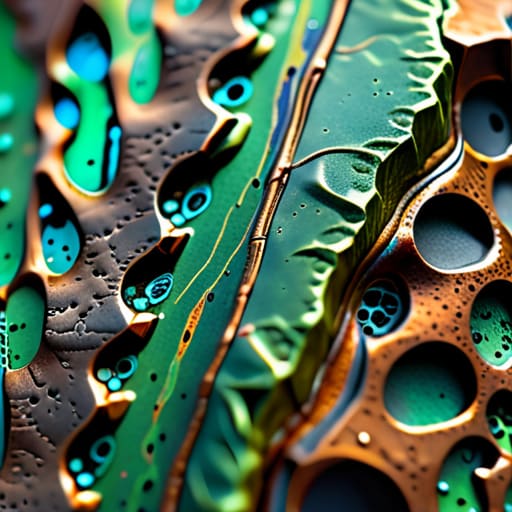
You have to understand that what most folks call “rust” on a bronze piece is actually a living, breathing chemical reaction. The verdigris formation process isn’t something you can command with a stopwatch; it’s a slow dialogue between the copper alloy and the air around it. When oxygen and moisture hit the surface, they trigger a specific type of copper alloy oxidation that builds up in layers. It starts as a dulling of the shine, then moves into deep browns, and finally settles into those beautiful, crusty greens we all admire.
I’ve seen too many youngsters try to skip the waiting game by using aggressive artificial patina techniques with harsh acids. They might get the color they want in twenty minutes, but they’re sacrificing the soul of the metal. A natural aging process creates a depth and texture that a chemical spray just can’t mimic. Real metal surface aging effects are earned through time and exposure. If you try to force the hand of nature, you aren’t creating a finish—you’re just masking a surface that hasn’t truly matured yet.
Distinguishing Bronze Corrosion vs Patina With a Steady Eye
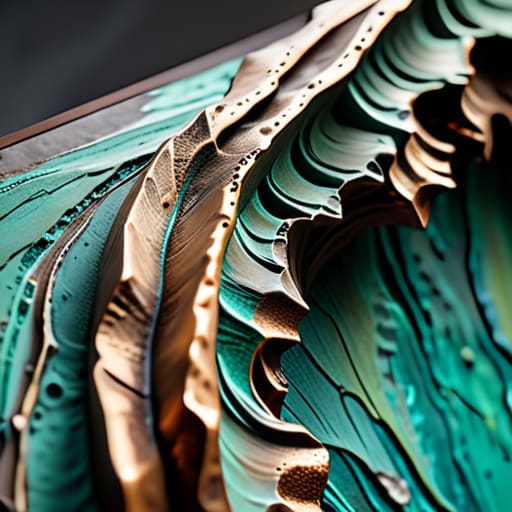
Now, you need to learn how to tell the difference between a piece that’s aging gracefully and one that’s actually rotting away. I’ve seen plenty of folks walk into my shop with a piece of sculpture, thinking they’ve got a beautiful finish, only to realize they’re looking at active bronze corrosion. A true patina is a stable layer; it’s a protective skin that tells the story of the metal’s environment without eating into the core. Corrosion, on the other hand, is hungry. If you see deep pitting or a powdery, crusty buildup that seems to be flaking off in chunks, you aren’t looking at metal surface aging effects—you’re looking at a structural problem that needs immediate attention.
The trick is in the texture and the color depth. A healthy patina has a certain richness, a sense of being “set” into the metal. When you’re evaluating bronze corrosion vs patina, look for the way light hits the surface. A proper oxidation layer often has a subtle, satiny sheen, whereas corrosion looks dull, uneven, and unpredictable. If you can scrape it off with a fingernail, it’s not a patina; it’s a mess.
A Few Rules of Thumb Before You Start Messing With the Metal
- Control your environment, not just your chemicals. If you’re trying to force a patina in a workshop that’s bone-dry or swinging twenty degrees in temperature, you’re going to get a blotchy, uneven mess that no amount of buffing will fix.
- Don’t go heavy on the acid right out of the gate. I’ve seen too many youngsters douse a piece in solution thinking speed equals skill; you need to apply it in thin, controlled layers and let the metal react at its own pace.
- Cleanliness isn’t just about looks; it’s about chemistry. If there’s a fingerprint or a trace of machine oil left on that bronze, your patina will skip right over it, leaving you with a permanent, ugly spot that breaks the flow of the finish.
- Watch the heat, but don’t let it run away from you. A little warmth helps the reaction take hold, but if you overheat the metal, you’ll cook the chemicals too fast and end up with a brittle, flaky surface instead of a deep, integrated color.
- Learn to step back and look at the whole piece. You can get so caught up in a single square inch of detail that you miss the fact that the overall tone is drifting off. Set the piece down, walk to the other side of the bench, and look at it with fresh eyes.
The Craftsman’s Bottom Line
Respect the timeline; a true patina is a product of time and environment, and trying to force it with harsh chemicals usually results in a superficial mess rather than a deep, lasting finish.
Learn the difference between a healthy patina and active corrosion, because while a bit of color is character, uncontrolled oxidation will eventually eat right through your metal.
Always prioritize the integrity of the base material by testing your methods on scrap first, because once you’ve stripped or scarred the bronze, there’s no going back.
## The Value of Time
You can’t command a patina to appear any faster than the elements allow; if you try to force the color with harsh chemicals just to get a quick result, you’re not creating a finish, you’re just masking the metal and losing the soul of the piece.
Alistair Fenwick
Respect the Process, Respect the Metal
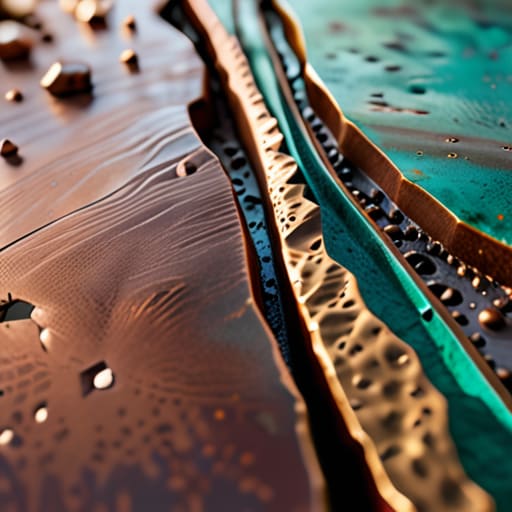
At the end of the day, whether you’re trying to replicate an aged look with chemicals or simply observing how the weather is doing its work on a garden statue, you have to remember that bronze is a living material. We’ve covered the difference between a destructive corrosion that eats into the metal and a stable, beautiful patina that actually protects it. You’ve learned to watch for those subtle shifts in color and texture, and more importantly, you’ve learned that patience is your most valuable tool in the shop. Don’t go trying to force a finish with harsh acids just because you’re in a hurry to see a result; if you don’t respect the chemistry, you’ll end up with a pitted, ruined surface that no amount of polishing can save.
I know the modern world wants everything instant and shiny, but there is a profound dignity in an object that shows its age through a slow, honest evolution. A well-earned patina tells a story of time, environment, and care. When you work with bronze, you aren’t just shaping metal; you are participating in a cycle that spans centuries. My advice to you is simple: build things to last and let the years do the rest of the work. If you treat the metal with the respect it deserves, it will reward you with a character that no factory-made, spray-painted trinket could ever hope to achieve.
Frequently Asked Questions
Is it safe to clean a bronze piece with harsh chemicals if I'm trying to preserve the existing patina?
Absolutely not. If you go at a settled patina with harsh chemicals or abrasives, you aren’t cleaning it—you’re stripping it. You’ll tear right through that hard-earned oxidation and leave yourself with nothing but raw, shiny metal that’s vulnerable to uneven spotting. If it just needs a bit of dust removed, use lukewarm water and a very mild, pH-neutral soap. Be gentle. You can’t undo a mistake made by being impatient with a bottle of acid.
Can I actually stop the patina process once it reaches the color I want, or is it always going to keep changing?
You can stop it, but you have to be deliberate about it. Once that bronze hits the shade you’re after, you can’t just walk away; you have to seal the surface. I usually reach for a high-quality microcrystalline wax or a clear lacquer to lock it in. If you don’t seal it, the air and moisture will keep working on that metal, and you’ll find yourself staring at a different color by next season.
How do I tell if a patina is just a surface-level coating or if it's truly bonded with the metal itself?
The easiest way to tell is to stop looking and start feeling. Take a clean, fine-grit sandpaper—the kind I always keep in my pocket—and lightly rub a small, inconspicuous spot. If the color wipes away like chalk or reveals bright, raw metal underneath immediately, you’re looking at a cheap surface coating. A true patina has become part of the metal’s skin; it won’t just flake or rub off under a bit of honest pressure.
