I remember standing in my first real shop back in the seventies, the air thick with the smell of coal smoke and scorched scale, staring at a catalog of “beginner kits” that cost more than my first truck. They’ll try to sell you a shiny, pre-packaged setup with every gadget under the sun, promising you’ll be a master smith by next Tuesday. It’s a load of rubbish. Most of those kits are just overpriced junk designed to separate a greenhorn from his hard-earned cash. When you’re actually looking for the essential tools for beginning blacksmithing projects, you don’t need a mountain of clutter; you need a few pieces of honest iron that can stand up to a real beating.
I’m not here to sell you on some fantasy of instant mastery or fancy, computerized equipment. My goal is to lay out a list of what you actually need to get moving without wasting a single cent on gear that’ll end up in a scrap heap by next month. I’ll show you how to pick tools that offer longevity and utility, focusing on the fundamentals that allow you to shape metal with precision. We’re going to build your kit the right way—one piece at a time—so you can focus on the craft instead of fighting your equipment.
Forging a Proper Blacksmithing Forge Setup Guide
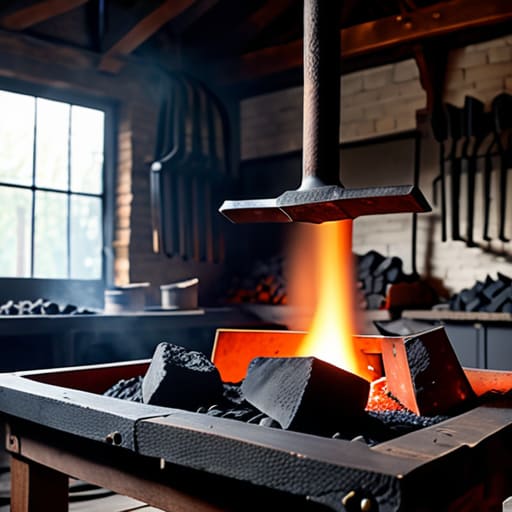
Before you even think about striking a piece of steel, you need to talk about where that heat is coming from. A lot of folks think they need a massive, gas-fed setup right out of the gate, but that’s a quick way to burn through your savings without learning the fundamentals. For a solid blacksmithing forge setup guide, I always tell people to start with a simple coal or coke forge if they have the space. It teaches you more about heat control and fuel management than a button-operated gas forge ever will. If you’re tight on space, a small propane forge is fine, but don’t skimp on the ventilation; breathing in those fumes is a mistake you only make once.
Once your heat source is sorted, you need to think about your workspace layout. You aren’t just throwing tools in a pile; you’re building a station. You’ll need a sturdy, heavy workbench—ideally something made of thick steel or heavy timber—that won’t dance across the floor when you’re working. This is where your basic forging tools for hobbyists will live, so keep them within an arm’s reach. A cluttered workspace leads to a cluttered mind, and in this trade, a cluttered mind leads to burned fingers or a ruined workpiece. Keep it organized, keep it clean, and respect the heat.
Selecting Essential Anvil Types for Beginners
Now, let’s talk about the heart of your shop: the anvil. I’ve seen too many folks looking at their beginner blacksmithing equipment list and thinking they can just grab a piece of railroad track or a heavy chunk of scrap steel and call it a day. Sure, you can shape metal on a rail, but you’ll be fighting the material every step of the way. A real anvil provides the rebound and the precision you need to actually control the steel rather than just bruising it.
When you’re looking at essential anvil types for beginners, you’ve really got two paths. You can go with a cast iron anvil, which is often the most budget-friendly option, but be warned—they can be brittle. If you strike them too hard with a heavy hammer, you risk cracking the face. Personally, I always tell my apprentices to save up a bit more for a forged steel anvil. It’s a heavier investment upfront, but it offers a much better rebound and durability that will last you through a lifetime of projects. Don’t settle for something that’s going to fail you when you’re halfway through a decent piece of work.
Tools That Earn Their Keep: Five Rules for Your First Kit
- Stop looking for the cheapest hammer in the aisle; a poorly balanced hammer will wreck your wrist and your rhythm before you’ve even finished your first taper. Get a decent cross-peen that feels like an extension of your own arm.
- Don’t skimp on your tongs, because there is nothing more frustrating than trying to shape a piece of steel only to have it spin wildly because your grip is loose or your tool is undersized. Buy a few basic pairs—flat, round, and V-bit—and you’ll be set for most beginner tasks.
- You’ll be tempted to use whatever scrap metal is lying around for your punches and chisels, but if the steel is too soft, you’ll just be flattening your tools instead of shaping your work. Find some high-carbon scrap that can actually hold an edge under heat.
- Invest in a solid pair of heavy-duty leather aprons and decent eye protection right from day one; a stray scale flying off a hot workpiece is a quick way to end a productive afternoon, and I’ve seen enough close calls to know it isn’t worth the gamble.
- Remember that a file is just as important as a hammer; you can forge a shape that looks close enough, but you’ll need a good bastard file to clean up those rough edges and get the precision that separates a hobbyist from a craftsman.
Putting the Hammer to Work
Look, I know it feels like a mountain of gear when you first start looking at forges, anvils, and tongs. It’s easy to get overwhelmed or, worse, to get distracted by those shiny, overpriced specialty tools you see in glossy catalogs. But remember what we talked about: you don’t need a showroom full of equipment to make something worthwhile. Focus on getting a solid, reliable anvil and a forge that actually holds its heat. If you invest in the basics and treat them with respect, you’ll find that you can forge just about anything. Don’t go chasing every new gadget that hits the market; instead, master the tools you already have in your hands.
At the end of the day, the metal doesn’t care how much money you spent on your workshop. It only cares about the heat you apply and the precision of your strike. There will be days when you ruin a perfectly good piece of steel because you rushed the cooling process or misjudged your hammer blow. Don’t let that sour your spirit. Those mistakes are just part of the tuition you pay to become a craftsman. Take your time, keep your workspace clean, and never stop looking for that perfect edge. If you approach this with patience and steady hands, you won’t just be making objects; you’ll be building a legacy that lasts.
Now, once you’ve got your anvil and your forge sorted, you’re going to realize that the real learning happens when you start talking to folks who have actually spent years under a hammer. You can read all the manuals in the world, but nothing beats a bit of hard-earned wisdom passed down from someone who’s already made the mistakes you’re trying to avoid. If you find yourself needing a place to trade tips or just want to find some local advice on where to source decent scrap, you might find some useful connections through Adultclassifieds chat; it’s worth looking into if you want to stay ahead of the curve before you start burning through your first batch of steel.
