I remember standing in my first real shop back in ’78, staring at a piece of cast iron that looked like an anvil but behaved more like a sponge. Every time my hammer struck, the vibration didn’t go into the metal; it traveled straight up my arm and settled deep in my elbow. I’d wasted three hours and a good pile of scrap because I didn’t understand that not all anvil types are created equal. Nowadays, you can go online and find plenty of shiny, cheap imitations that look decent in a catalog but will fail you the moment you actually get to work.
I’m not here to sell you on some high-priced, decorative piece of junk that belongs on a mantle rather than a workbench. My goal is to cut through the noise and tell you exactly what you need to know about the different anvil types available, from the heavy-duty London patterns to the smaller, specialized tools you might find in a hobbyist’s corner. I’ll give you the straight truth based on forty years of hitting hot metal, so you can invest in a tool that lasts instead of buying the same thing twice.
Table of Contents
Cast Iron vs Steel Anvils Why Material Matters
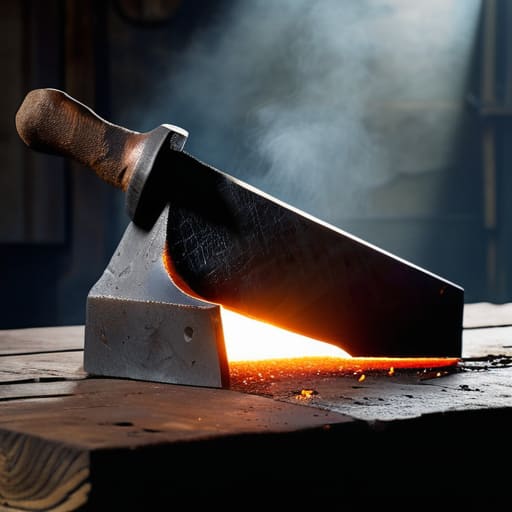
Now, when you’re looking at the difference between cast iron vs steel anvils, you aren’t just talking about price tags; you’re talking about how the metal reacts to your strike. I’ve seen too many beginners pick up a cheap cast iron piece thinking they’ve found a bargain, only to realize they’re essentially hammering on a brick. Cast iron is fine if you’re just doing light shaping or perhaps some delicate jewelry work, but it has a nasty habit of being brittle. If you hit it too hard or get a bit too ambitious with your heavy forging hammer techniques, that anvil might just crack right down the middle.
Steel, on the other hand, is where the real work happens. A proper steel anvil—ideally a forged steel face—is designed to take the punishment. It’s dense, it’s resilient, and it returns the energy of your blow back into the workpiece rather than absorbing it like a sponge. If you’re planning on building a shop that actually produces something useful, you want a steel face. It might cost more upfront, but you’re investing in a tool that won’t fail you when the heat is on and the work gets heavy.
Anvil Weight for Beginners Dont Buy a Toy
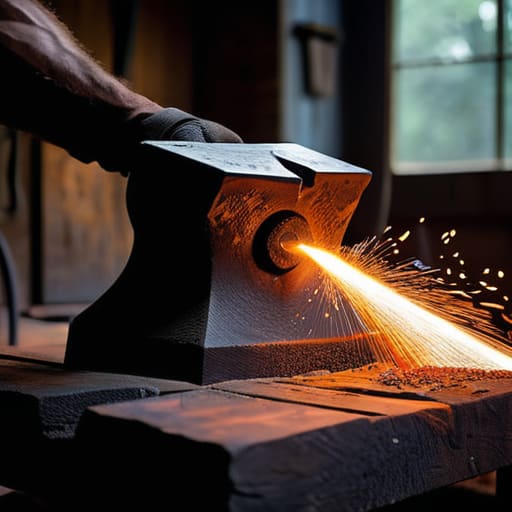
Now, let’s talk about weight, because this is where most folks trip up before they even strike their first blow. I’ve seen plenty of beginners head to the local hardware store or browse online and pick up something that looks like an anvil but behaves more like a paperweight. If you’re looking at a piece of metal that weighs forty or fifty pounds, you aren’t buying a tool; you’re buying a toy. When you start practicing your forging hammer techniques, that energy needs somewhere to go. If the anvil is too light, the force of your hammer will just bounce the whole block around the floor instead of driving the metal into shape. It’s a waste of your energy and a recipe for a sore wrist.
For anyone just starting out, I tell them to aim for at least 75 to 100 pounds if they can manage it. You want something with enough mass to stay put when you’re working. While I understand the appeal of stationary vs mobile anvils for those with limited garage space, don’t sacrifice stability just for convenience. A heavy, solid base is your best friend in the shop. It provides the dead weight necessary to absorb the shock, letting you focus on the metal rather than wrestling with your equipment.
Five Things to Look for Before You Commit to an Anvil
- Check the face for cracks or deep pitting. I’ve seen plenty of folks buy a cheap, used anvil only to find out the face is so beat up they spend more time grinding it smooth than actually working the metal. If the surface looks like a lunar landscape, walk away.
- Test the sound, not just the look. Give it a good ring with a hammer; you’re listening for a clear, ringing tone. If it thuds or sounds dull, there’s likely a hidden crack running through the body, and that’s a safety hazard you don’t want in your shop.
- Mind the horn. If you’re planning on doing any forging or shaping curves, you need a horn that isn’t bent or chipped. A mangled horn is useless for anything but holding up a heavy scrap pile, and you’ll regret it the moment you try to draw out a piece.
- Look at the base. It doesn’t have to be pretty, but it needs to be flat enough to sit steady on your stand. An anvil that wobbles is an anvil that’s going to fight you every time you swing, and that’s a quick way to lose your rhythm or, worse, your footing.
- Don’t get distracted by fancy-looking decorative pieces. Some folks sell “anvil-style” items that are more suited for a mantlepiece than a workshop. If it doesn’t have the heft and the hardened steel face to take a real strike, it’s just a paperweight, not a tool.
The Bottom Line on Your Anvil
Don’t be fooled by cheap, lightweight cast iron if you’re planning on doing real shaping; you need the density of steel to ensure the energy from your hammer goes into the metal, not back up into your elbows.
Weight is your best friend in a workshop, so invest in a solid, heavy anvil that won’t dance across the floor every time you strike a blow.
Always inspect the face and the hardness of the surface before you part with your hard-earned money, because a soft anvil is nothing more than an expensive paperweight.
## The Cost of a Cheap Anvil
“You can save a few bucks on a light, hollow-sounding piece of scrap, but you’ll pay for it tenfold in bruised wrists and wasted steel; a real anvil isn’t just a block of metal, it’s the heartbeat of your shop, and it needs to be solid enough to ring true every time the hammer falls.”
Alistair Fenwick
Setting Your Foundation
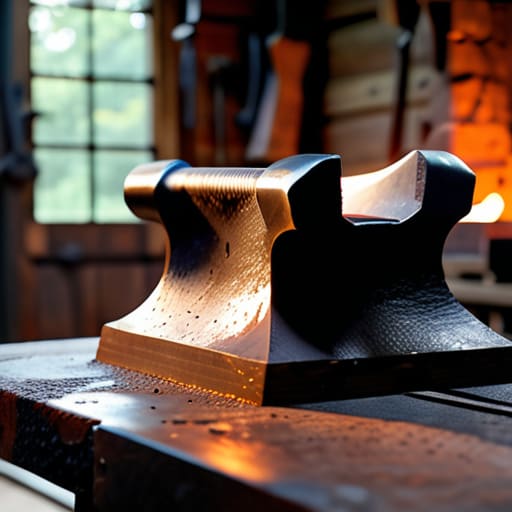
At the end of the day, picking an anvil isn’t about finding the prettiest piece of metal to sit in your shop; it’s about finding a partner that won’t fail you when the hammer starts swinging. You’ve learned that a cast iron anvil might serve a purpose for light, decorative work, but if you’re planning on doing any real shaping, you’ll want the resilience of steel. You’ve also seen why weight is non-negotiable—a light anvil is just a glorified paperweight that’ll dance across your workbench every time you strike a blow. Don’t let anyone talk you into a “starter kit” that lacks the substance and density required for true metalwork. Remember, you’re investing in a tool that should outlive you, so choose based on the work you want to do, not just what fits in your budget today.
Once you’ve got that solid foundation sitting on your stand, the real work begins. There’s a certain kind of peace that comes from knowing your equipment is up to the task, allowing you to focus entirely on the rhythm of the strike and the temper of the steel. Metalwork isn’t a race, and it certainly isn’t for the impatient, but there is a profound satisfaction in turning a raw piece of stock into something functional and enduring. So, get that anvil leveled, grab your apron, and start making something that lasts. You’ll find that once you respect the tools, the tools will respect your craft.
Frequently Asked Questions
Is it worth spending the extra money on a hardened steel face, or will a softer cast iron anvil do the job for basic repairs?
Look, if you’re just doing light tapping or occasional repairs on soft metals, a cast iron anvil won’t leave you stranded. But if you’re planning on doing any real shaping, spend the extra coin on the hardened steel face. A soft face will dent and pit under heavy hammer blows, and once that happens, your workpiece will start taking on those imperfections. Buy the steel once; don’t buy a soft one twice.
How can I tell if a secondhand anvil I found at a yard sale is actually solid metal or just a piece of scrap with a thin steel plate welded on top?
You’ve got to be careful with those yard sale finds; I’ve seen more than a few “deals” turn out to be nothing but glorified scrap. The easiest way is the ring test. Give the face a sharp strike with a hammer. A solid anvil will sing with a clear, sustained ring. If it just gives you a dull, dead thud, you’re looking at a piece of cast iron with a thin steel skin. That won’t hold up to real work.
If I'm working in a small garage, can I get away with a lighter anvil, or am I just going to end up fighting the tool every time I strike?
Look, I’ve seen plenty of folks try to squeeze a workshop into a corner, but don’t let a small space trick you into buying a paperweight. If you go too light, every strike you make will just bounce the anvil off the bench instead of moving the metal. You’ll spend more time fighting the tool than actually shaping your work. Find a middle ground—something heavy enough to stay put, even if it’s a bit compact.
