I remember standing in the doorway of a Victorian fixer-upper back in ’88, the air thick with the smell of wet rot and decades of stagnant dust. I looked at the sagging floorboards and the rusted ironwork, and I knew right then that most folks were going to approach the process of rehabilitating abandoned historic homes all wrong. They’d see a wreck and think they could just slap some new drywall over the bones and call it a day. But you can’t hide a structural failure with a fresh coat of paint; if you don’t respect the original skeleton of the building, you’re just putting a bandage on a broken limb.
I’m not here to sell you on some glossy, Pinterest-perfect dream that costs a fortune and leaves you hollow. What I want to do is walk you through the grit and the grime of what it actually takes to bring these old structures back to life. I’ll give you the straight talk on assessing damage, sourcing the right materials, and why you need to slow down before you pick up a sledgehammer. We’re going to focus on doing things right the first time, so these homes stand for another hundred years.
Structural Stabilization of Old Homes Before You Strike
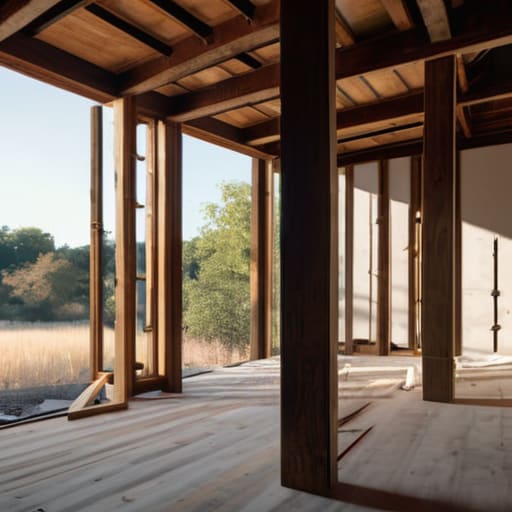
Before you even think about picking up a hammer to fix a windowsill or a door frame, you have to make sure the bones of the house aren’t going to give way under your feet. I’ve seen too many folks rush into the pretty details only to have the whole structure shift because they ignored the foundation. Structural stabilization of old homes isn’t about making things look nice; it’s about ensuring the skeleton is sound. If the sills are rotted or the joists are sagging, you need to shore up those supports first. I always tell my apprentices: you can’t build a sturdy table on a floor that’s tilting, and you certainly can’t restore a house that’s actively sinking.
Once you’ve got the heavy lifting sorted, you need to be mindful of restoring architectural integrity. This means you aren’t just slapping on new plywood to patch a hole. You need to understand how the original weight was distributed. If you start replacing load-bearing elements with modern, lightweight junk, you’ll ruin the way the house breathes and settles. Take your time to assess the load paths, and don’t be afraid to use temporary bracing to hold things steady while you work.
Restoring Architectural Integrity Without Cutting Corners
Once you’ve got the bones of the house steady, you have to look at the skin and the soul of the place. This is where a lot of folks trip up. They see a beautiful, hand-carved banister or a set of original window sashes and think it’s easier to just rip them out and slap in some modern, mass-produced replacements. That’s a mistake you can’t unmake. Restoring architectural integrity isn’t about making a house look brand new; it’s about respecting the original intent of the builder. If you replace custom millwork with something from a big-box store, you’ve stripped the character right out of the timber.
You also need to keep an eye on your period-accurate material sourcing. If you’re replacing a rusted hinge or a custom iron latch, don’t settle for a cheap imitation. Find the right metal, use the right weight, and ensure it fits the era. It takes more time, and yeah, it might bump up your initial budget, but it’s the only way to ensure the work holds up for the next century. If you’re looking for historic tax credit eligibility, the inspectors are going to be looking for that exact level of precision. Do it right the first time.
Five Rules for When the Real Work Begins
- Respect the original materials. If you find old-growth timber or hand-forged ironwork, don’t go swapping it out for some cheap, pressure-treated lumber from a big-box store just because it’s easier to cut. You treat those old materials with respect, or the whole house loses its soul.
- Don’t fight the settling. An old house has found its own way of sitting on the earth over a hundred years. If you try to force every wall into a perfect ninety-degree angle with a jack and a prayer, you’ll likely crack the plaster or snap a joist that was holding everything together.
- Test your metals before you weld or patch. In these old places, you’ll run into all sorts of odd alloys and metals that don’t play nice with modern techniques. Take the time to see how a piece reacts to heat or a file before you go making permanent changes you can’t undo.
- Keep your moisture under control. Rust and rot are the two biggest enemies in a renovation. If you’re fixing a foundation or a roof, do it right the first time; a damp basement will eat through even the best structural repairs in a matter of years.
- Invest in the right hand tools. You can’t do fine restoration work with a heavy-duty power tool that’s designed to tear through concrete. Sometimes, a well-sharpened chisel or a manual hand plane will get you a finish that a machine simply can’t touch.
The Long View on Restoration
At the end of the day, bringing an abandoned home back to life is a lot like working with old steel; you can’t force it to behave, and you certainly can’t hide the scars of neglect with a quick coat of paint. We’ve talked about the necessity of stabilizing that foundation before you even think about the aesthetics, and why you must respect the original architectural bones instead of trying to modernize them into something unrecognizable. If you skip the structural heavy lifting or try to bypass the proper, time-consuming methods of repair, you aren’t restoring a house—you’re just delaying its inevitable collapse. It’s about doing the hard, invisible work first so that the visible parts actually have something solid to sit on.
I know it’s tempting to look at a pile of rot and broken masonry and want a fast result, but real craftsmanship doesn’t recognize the concept of a deadline. You have to find a certain kind of peace in the slow grind of the work. When you finally step back and see a structure that has been saved from the scrap heap through nothing but patience and steady hands, you’ll realize it was worth every extra hour spent in the dust. We aren’t just fixing walls and roofs; we are preserving a piece of history that deserves to stand for another hundred years. Don’t just build for today; build something that stays.
Now, once you’ve got the bones of the structure stabilized and the architectural details sorted, you need to start thinking about the finer points of utility and how the house actually functions day-to-day. It’s easy to get caught up in the aesthetics of a heavy timber frame or a hand-forged gate, but if the practical elements aren’t sound, you’re just polishing a sinking ship. I always tell my apprentices that attention to detail extends far beyond the visible ironwork; you have to look at every single component that keeps a property running. If you find yourself needing to source specific, reliable parts or specialized equipment to keep a project moving, I’ve found that checking out oma huren can be a real lifesaver when you’re trying to avoid the headache of subpar materials. You can’t afford to waste good time on components that are going to fail the moment the seasons change.
