I can still smell the burnt ozone and hot steel from my first week in the fabrication shop forty years ago. I remember a young apprentice—well, I was that apprentice—thinking he could breeze through a sharpening job by just shoving a tool against a spinning wheel without a second thought. He ended up with a ruined edge and a face full of sparks because he didn’t respect the machine. Most folks today treat bench grinder use like it’s some magic button you just press to make things sharp, but if you don’t understand the relationship between the grit, the speed, and your own steady hand, you’re just wasting good metal.
I’m not here to sell you on some fancy, computerized grinding system or a collection of overpriced gadgets you’ll never use. I’m going to give you the straight truth on how to handle this tool so it works for you, not against you. We’re going to talk about proper tool rest adjustment, how to manage your heat so you don’t ruin the temper, and the small habits that separate a real craftsman from a hobbyist. If you want to learn how to do it right the first time, let’s get to work.
Table of Contents
Prioritizing Safety Vital Bench Grinder Safety Precautions
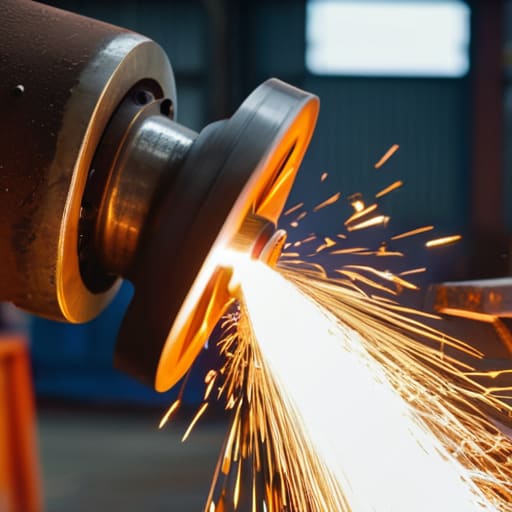
Before you even think about flipping that switch, you need to respect what’s sitting on your workbench. A grinder isn’t a toy; it’s a high-speed spinning mass of abrasive that doesn’t care about your fingers. The first thing I do every morning is check my spark guard positioning. If those guards aren’t adjusted to catch the debris, you’re going to end up with a face full of hot metal shards. And for heaven’s sake, don’t skimp on your eye protection for grinding. I don’t care if you’ve been doing this for forty years; a stray sliver of steel can change your life in a heartbeat.
Next, look at your tool rests. If there’s a gap between the rest and the wheel, your workpiece can get sucked down into the housing, and that’s when things go sideways fast. You want a tight tool rest adjustment—no more than a sixteenth of an inch from the wheel. While you’re at it, give the wheels a quick tap with a wooden handle to check for cracks. If you feel even a hint of vibration, you’ve got a problem with your grinding wheel balance, and you shouldn’t touch it until it’s sorted.
Mastering Tool Rest Adjustment for Precision Work
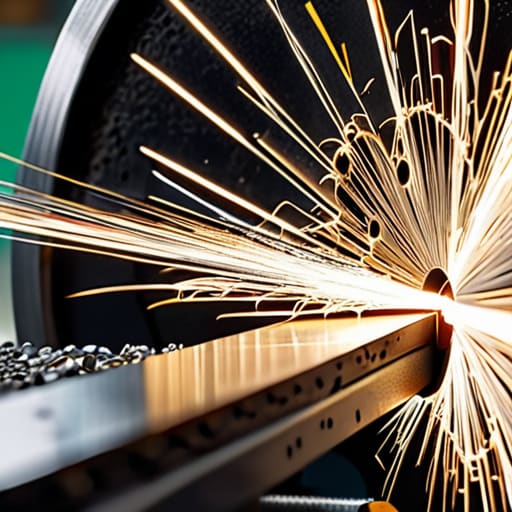
Now, let’s talk about the part where most folks get careless: the tool rest adjustment. I’ve seen too many apprentices—and even some seasoned hands—leave a wide gap between the rest and the wheel. That’s a recipe for disaster. If that workpiece slips into the gap, the grinder will grab it, and you’ll find yourself fighting a machine that doesn’t care about your fingers. You want that gap to be no more than a sixteenth of an inch from the wheel. Anything wider than that and you’re just asking for trouble.
Before you even think about spinning that motor up, grab a wrench and ensure the rest is level and tight. It’s not enough to just eyeball it; you need to feel that the metal is supported firmly. Proper tool rest adjustment is what separates a controlled grind from a chaotic mess. Once you’ve got the distance dialed in, check your spark guard positioning as well. A well-set machine doesn’t just keep you safe; it gives you the stability needed for precision work, ensuring you aren’t fighting the machine every time you try to dress an edge.
Five Ways to Keep Your Grinding Productive and Precise
- Watch your spark stream. If you’re seeing sparks flying everywhere, you’re likely holding the workpiece at a bad angle or applying too much pressure. Keep the contact point steady and let the wheel do the heavy lifting; you aren’t trying to fight the steel, you’re trying to shape it.
- Don’t let the metal get too hot. I’ve seen plenty of green lads ruin a perfectly good tool by grinding it until it’s glowing red. If you see the color changing, stop. Dip it in a bucket of water and let it cool down. If you bake the temper out of the steel, you’ve just turned a tool into a piece of scrap.
- Check your wheels for cracks regularly. Before you even flip the switch, give the wheel a light tap with a wooden handle. If it rings true, you’re good. If it gives you a dull thud, it’s cracked. A wheel that shatters while spinning at several thousand RPM is a nightmare you don’t want to live through.
- Dress your wheels often. A glazed or loaded wheel is a useless wheel. It’ll just rub against the metal and generate heat without actually cutting. Use a wheel dresser to keep those abrasive grains sharp and the surface even. It takes a few extra minutes, but it saves you a lot of frustration in the long run.
- Use the right speed for the job. Not every wheel is meant to run at the same RPM as your motor. Check the markings on the side of the wheel to make sure it’s rated for your machine. Running a wheel too fast is a shortcut to a disaster, and in my shop, we don’t take shortcuts that compromise the equipment.
The Bottom Line: Don't Waste the Metal
Respect your tool rests; if there’s a gap between the rest and the wheel, you’re just asking for a kickback that’ll ruin your workpiece or your knuckles.
Watch your heat; if the metal starts turning blue or straw-colored, you’ve gone too far and you’re killing the temper—dip it in the water before you do permanent damage.
Listen to the machine; a good grinder should hum, not scream, so if you hear a vibration or a wobble, stop immediately and check your stones before you grind something into scrap.
## The Cost of a Second
“A bench grinder isn’t a toy, and it isn’t a way to rush a job; if you don’t respect the speed of that wheel and the heat it generates, you’ll end up with a ruined workpiece and a much more expensive lesson in why we use tool rests.”
Alistair Fenwick
Putting the Grinder to Work
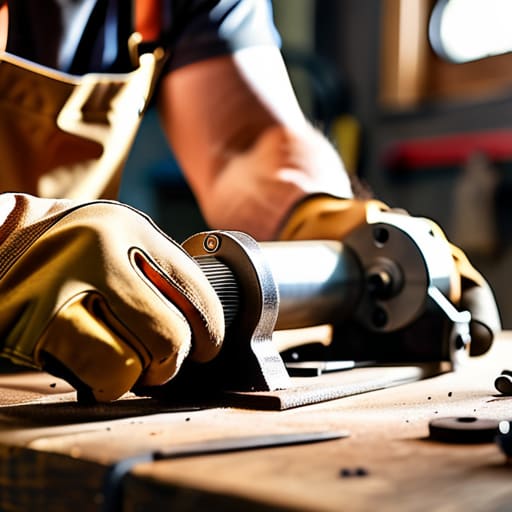
At the end of the day, a bench grinder is only as good as the person standing in front of it. We’ve covered the essentials: keeping your safety gear on, making sure those tool rests are dialed in tight so you aren’t catching your workpiece in a gap, and respecting the speed of the wheel. If you try to force a heavy grind or neglect the fine adjustments, you’re going to end up with a ruined edge or, worse, a piece of flying debris heading straight for your eyes. Remember, precision starts before you even flip the switch. Take the time to set your station up right, and the metal will follow your lead.
I’ve seen plenty of young folks walk into a shop and try to rush through a job just to get to the next thing, but that’s how you waste good steel and good time. A grinder isn’t a tool for the impatient; it’s a tool for the craftsman who understands that steady control beats raw speed every single time. When you treat your equipment with respect and approach every grind with a calm mind, you aren’t just shaping metal—you’re building a skill that stays with you for life. Now, get back to your bench, keep your eyes sharp, and make something that’s actually worth keeping.
Frequently Asked Questions
How do I know when a grinding wheel is getting too thin or worn out to be used safely?
You can’t just eye it and hope for the best. First, check the diameter; if it’s shrunk down past the manufacturer’s minimum, it’s scrap. More importantly, look for “dressing” needs. If the wheel is glazed over or pitted, it’s losing its bite. If you see deep cracks or if the wheel starts vibrating like a tuning fork when it spins, shut it down immediately. A cracked wheel doesn’t just fail; it explodes.
What’s the best way to tell if my wheels are out of balance and starting to vibrate too much?
If you’re feeling a shudder in the steering wheel or the seat of the truck, don’t ignore it. Usually, a vibration that kicks in at specific speeds—say, between 50 and 60 mph—is a dead giveaway that your wheels are out of balance. If the steering wheel itself is dancing in your hands, the front end is likely the culprit. Pay attention to the rhythm; a steady, rhythmic shake is your metal telling you something is off.
When should I switch from a coarse grit to a finer one to avoid overheating the metal?
You switch once you’ve knocked down the heavy material and the surface looks uniform. If you see the metal turning blue or even a dark straw color, you’ve stayed on the coarse grit too long. That heat ruins the temper. Once the rough shape is there, move to the fine grit to clean up the scratches. It’s better to spend an extra minute on the fine wheel than to ruin a good piece of steel.
