I still remember the smell of ozone and scorched iron from my first year in the industrial shops—a scent that used to mean progress, but eventually started to smell like near misses. I once saw a young lad, eager to prove he didn’t need the heavy gear, lose a fingertip because he thought a quick grind was worth the risk of skipping his gloves. That’s the trouble with how people talk about metalworking workshop safety these days; they treat it like a list of tedious rules designed to slow you down or a way to sell you overpriced, plastic-heavy kits. In reality, safety isn’t about following a handbook to the letter just to satisfy some inspector—it’s about having the discipline to ensure you actually walk out of the shop at the end of the day.
I’m not here to lecture you with corporate jargon or tell you to buy every gadget on the market. What I’m going to give you is the hard-earned truth from forty years of hitting hot steel. I’ll show you how to respect your tools and your environment so that your focus stays on the craft, not on a preventable injury. We’re going to talk about practical, common-sense habits that keep your hands steady and your workspace under control.
Table of Contents
- Dont Blind Yourself Proper Eye Protection for Grinding
- Machinery Guarding Protocols Respect the Tools That Build Things
- Five Hard Lessons Learned the Long Way
- The Bottom Line: Keep Your Shop Safe and Your Work Steady
- ## The Cost of a Second of Carelessness
- Respect the Shop, Respect Yourself
- Frequently Asked Questions
Dont Blind Yourself Proper Eye Protection for Grinding
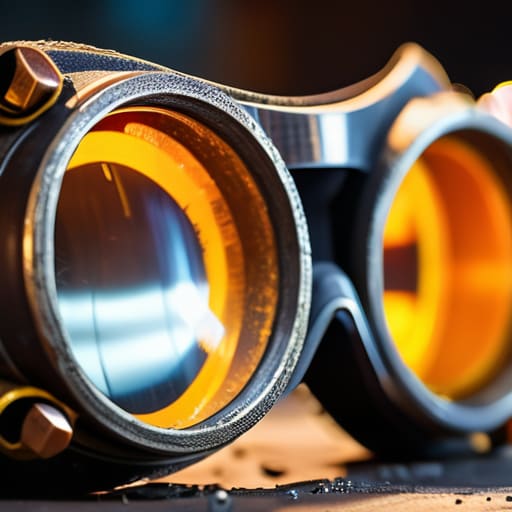
I’ve seen more men walk out of a shop with a permanent limp in their vision than I care to count, and most of it happened because they thought they were “just doing a quick pass” with the angle grinder. When you’re spinning a disc at thousands of RPMs, you aren’t just dealing with sparks; you’re dealing with high-velocity shards of steel and abrasive grit. Using cheap, flimsy plastic glasses isn’t enough. You need proper eye protection for grinding that actually seals against your face, because a single stray sliver can find its way behind a lens faster than you can blink.
If you’re doing heavy work, I always recommend a full-face shield worn over your safety glasses. It sounds like overkill until you’re mid-grind and a chunk of the wheel decides to shatter. It’s a hell of a wake-up call you only get once. Don’t be the guy who thinks he’s too experienced to need the gear; the metal doesn’t care about your resume, and it certainly doesn’t care about your eyes. Take the extra ten seconds to gear up right.
Machinery Guarding Protocols Respect the Tools That Build Things
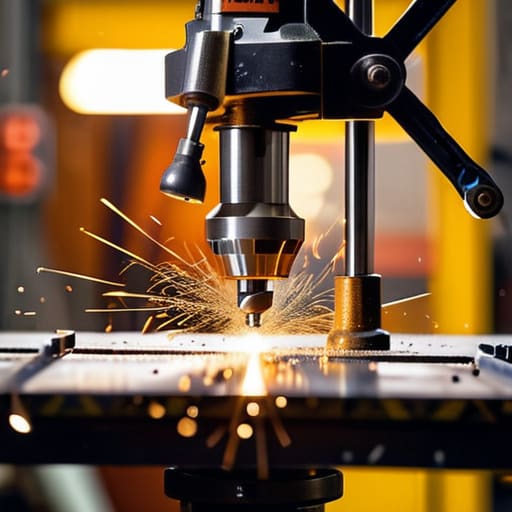
I’ve seen too many young lads walk into a shop, see a heavy-duty drill press or a belt sander, and think they can bypass the safety shields because they’re “in a hurry.” That’s a fool’s errand. Those guards aren’t there to get in your way; they are the only thing standing between you and a piece of spinning steel that wants to take a finger with it. You need to treat machinery guarding protocols as law, not a suggestion. If a guard is loose, cracked, or missing, you don’t touch that machine until it’s sorted. Period.
It isn’t just about the guards, either; it’s about knowing how to kill the power when things go sideways. You should be able to hit your emergency stop procedures without even thinking about it. I tell my apprentices to keep their workspace clear so they aren’t tripping over scrap while trying to reach a kill switch. A clean shop is a safe shop, and a machine you don’t respect is a machine that’ll eventually bite you. Don’t let your ego outpace your common sense.
Five Hard Lessons Learned the Long Way
- Mind Your Hands and Your Gloves: I’ve seen plenty of young fellas think they can handle hot slag or sharp burrs with bare skin just to save a few seconds. Use the right leather gloves for the job, but remember—if you’re working around rotating machinery like a drill press, keep those gloves off. Getting caught in a spindle is a mistake you only make once.
- Clear the Floor, Clear the Mind: A cluttered shop is a dangerous shop. I can’t tell you how many times I’ve seen a good piece of work get ruined because someone tripped over a stray scrap of angle iron or a tangled extension cord. Keep your walkways clear and your offcuts in the bin; you can’t focus on a precise weld if you’re playing hopscotch around your own mess.
- Respect the Fumes: If you’re welding or using a torch, don’t just sit there breathing in the smoke like it’s nothing. It might not hit you right away, but that buildup in your lungs will catch up to you eventually. Set up your extraction fan or crack a window; I’d rather have a drafty garage than a chest full of metal dust and burnt flux.
- Fire is a Constant Neighbor: Keep a heavy-duty fire extinguisher within arm’s reach—not tucked away in a cupboard under the stairs, but right where you’re working. Grinding sparks can travel a surprising distance, and a pile of oily rags can go up in a heartbeat. Treat every spark like it’s looking for a reason to start a fire.
- Listen to Your Body: This is the one most people ignore. If your eyes are stinging, your back is aching, or you’re starting to feel a bit lightheaded from the heat, stop what you’re doing. Pushing through exhaustion is when the real accidents happen. Put the hammer down, grab a glass of water, and come back when your head is straight.
The Bottom Line: Keep Your Shop Safe and Your Work Steady
Never trade your safety for a few saved seconds; whether it’s skipping a guard or rushing a grind, a shortcut is just a mistake waiting to happen.
Treat every piece of machinery with a healthy dose of respect, because those tools don’t care if you’re an expert or a novice—they’ll take a finger just as easily as anyone else.
Invest in the right gear once and use it every single time, because replacing a pair of safety glasses is a lot cheaper than dealing with a permanent injury.
## The Cost of a Second of Carelessness
“A machine doesn’t have a conscience and it won’t give you a second chance to fix a mistake; you either respect the tool and the safety gear right now, or you spend the rest of your life paying for the shortcut you took.”
Alistair Fenwick
Respect the Shop, Respect Yourself
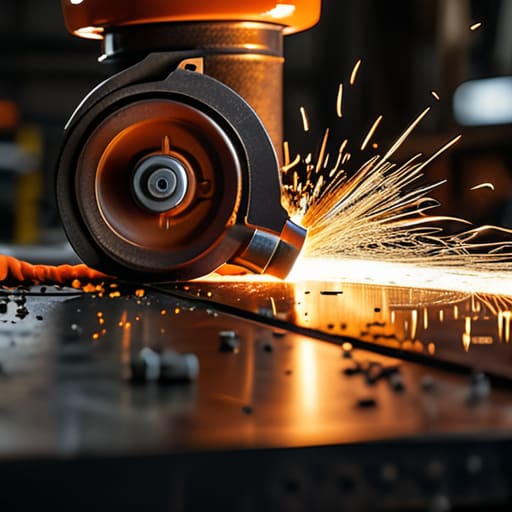
At the end of the day, all these rules about eye protection and machine guards aren’t just there to clutter up your workspace or slow your momentum. They are the foundation of everything we do. Whether you’re spinning up a grinder or setting up a heavy mill, you have to remember that metal doesn’t care about your schedule. If you neglect your gear or skip a safety check because you’re in a hurry to finish a project, the shop will find a way to remind you. We’ve covered the essentials today—protecting your sight, respecting the guards, and keeping your hands clear of the danger zones—but the real secret is never letting your guard down once the work gets comfortable.
I’ve seen plenty of young fellas, and even some seasoned hands, lose their edge because they thought they were too skilled to need caution. Real craftsmanship isn’t just about the precision of your weld or the finish on a piece of steel; it’s about having the discipline to work safely so you can show up to the bench again tomorrow. We build things to last, and that includes building a career and a reputation based on steady, thoughtful practice. Take care of your tools, take care of your shop, but most importantly, take care of yourself. That’s the only way the work truly matters.
Frequently Asked Questions
Is it really necessary to wear a heavy leather apron when I'm just doing light welding or grinding?
Look, I get it. When you’re just doing a bit of light grinding or a quick tack weld, a heavy apron feels like overkill. But those sparks and hot slag don’t care about your workload. They’ll find a hole in your shirt or a gap in your skin before you even notice they’re there. I’d rather carry the extra weight of a leather apron than spend my evening picking glowing bits of metal out of my clothes or my skin.
How often should I actually be checking my power cords and tool housings for cracks or frayed wires?
Don’t wait for a spark to tell you there’s a problem. I make it a habit to run my hands down the length of every cord every single time I plug a tool in. If you’re working in a heavy shop, check them thoroughly at the start of every week. If you see copper peeking through or a crack in the housing, don’t just wrap it in electrical tape and hope for the best. Fix it or retire it.
What’s the best way to set up a ventilation system in a small garage shop so I'm not breathing in all those metal fumes?
You can’t just crack a window and hope for the best; that’s how you end up with a lungful of zinc or flux fumes. In a tight garage, I always recommend a dual approach. Get a high-CFM exhaust fan mounted near your welding station to pull the smoke out, and pair it with a source-capture unit—basically a flexible arm that sits right where the heat is. If you can’t afford a fancy extractor, at least get a decent respirator. Don’t let the fumes settle in your chest just to save a few bucks.
