I’ve seen too many folks walk into a hardware store, buy a shiny new welder or a pile of steel, and then stare at it like it’s a puzzle they can’t solve. They think having the material is the same as having the skill, but they’re missing the backbone of the craft. Most people treat tools like they’re disposable, but if you want to do work that actually holds up under pressure, you need to understand the essential tools for home metalworking before you ever strike an arc or swing a hammer. If you don’t respect the setup, you’ll find yourself wasting more metal than you actually use, and that’s a hard lesson to learn when your wallet is feeling thin.
In the following list, I’m going to cut through the marketing fluff and tell you exactly what you need to get a proper shop running. I’ve narrowed it down to seven specific items that serve as the foundation for any real project, whether you’re fixing an old cast-iron skillet or fabricating a garden gate. By the time we’re done here, you won’t just have a shopping list; you’ll have a blueprint for a functional workshop that prioritizes precision over speed. Let’s get to work.
A Solid Bench Vise
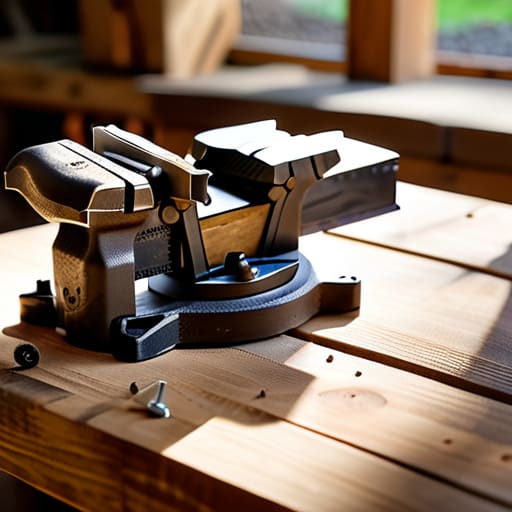
If you don’t have a heavy, cast-iron vise bolted firmly to your workbench, you aren’t really working; you’re just wrestling with scrap. I’ve seen too many beginners try to hold a piece of steel with one hand while they saw with the other, and it’s a recipe for shattered teeth and ruined projects. You need something with enough mass to stay put when you’re applying real pressure.
The Honest Angle Grinder
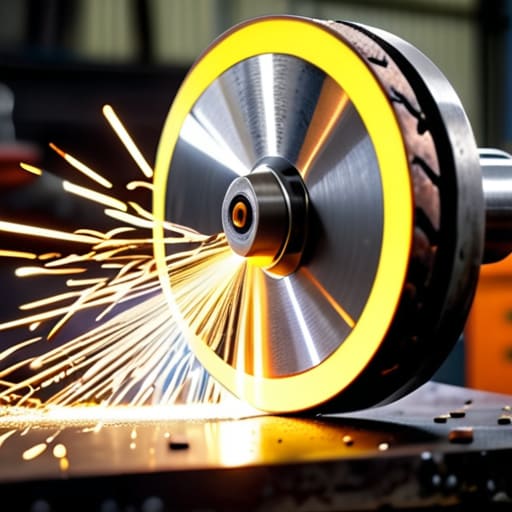
An angle grinder is the workhorse of any decent shop, but it’s also a tool that demands your absolute respect. It’ll cut, it’ll grind, and it’ll clean up a weld faster than almost anything else in the kit. However, if you treat it like a toy, it’ll bite back. Always make sure your safety guard is positioned exactly where it needs to be, regardless of how much it gets in your way.
Quality Measuring Tools
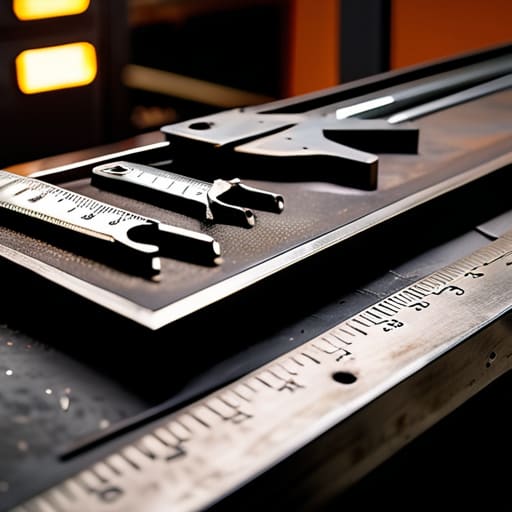
You can spend all day sweating over a forge or a welding bench, but if your measurements are off by even a fraction, the whole piece is scrap. I’ve learned the hard way that “close enough” is a lie that costs money. You need a set of calipers and a decent steel rule that won’t bend when you put a little pressure on it.
A Proper Ball-Peen Hammer
A hammer is an extension of your arm, and a cheap, poorly balanced one will leave you with a sore wrist and a lot of frustration. For general metalwork and shaping, a ball-peen hammer is your best friend. The flat face is for your striking work, while the rounded end is perfect for peening metal or setting rivets without leaving massive dents.
The Essential Welding Machine
Now, I’m not saying you need a high-end industrial setup, but you do need a way to join metal that actually holds. For a home shop, a decent stick welder or a MIG machine will get you through most repairs and small fabrications. It’s about having the ability to mend what is broken rather than throwing it in the bin.
Files and Abrasives
Metalwork is rarely a clean business, and once you’ve cut or welded something, it’s going to have burrs and sharp edges that’ll cut you to ribbons. A good set of bastard files is non-negotiable for smoothing out those rough spots. It’s tedious work, I know, but patience is a tool just as important as any grinder.
Personal Protective Equipment
This isn’t the part where I get to lecture you, but listen close: your eyes and lungs are the only ones you get. A decent auto-darkening welding helmet is the best investment you can make, hands down. It allows you to see exactly where your puddle is forming, which makes for much cleaner welds and less eye strain.
Putting the Work in the Metal
At the end of the day, setting up a home shop isn’t about having the most expensive, shiny gadgets sitting in a catalog. It’s about having the right foundation—a solid anvil, a reliable grinder, and a set of files that actually bite into the steel. You don’t need a factory floor to make something meaningful; you just need the tools that allow you to control the material rather than fighting against it. If you invest in quality over quantity, you’ll find that a well-maintained hammer and a steady hand will take you much further than any automated machine ever could. Remember, the goal is to build a kit that serves the craft, not one that just takes up space on your workbench.
I’ve spent forty years watching people try to rush through a project, only to end up scrapping a piece of steel because they didn’t respect the process. My advice is simple: don’t be in such a hurry to finish that you forget to learn the soul of the metal. Every spark from your grinder and every strike of your hammer is a lesson if you’re paying attention. If you approach your workshop with patience and a bit of grit, you won’t just be making objects; you’ll be building a legacy of things that are meant to endure. Now, quit reading and get to work.
Now, I know what some of you are thinking—that setting up a proper shop sounds like a mountain of work, and it is. But you don’t have to go it alone or guess your way through every new technique. I’ve found that the best way to sharpen your skills is to talk to people who are actually in the thick of it every day. If you ever find yourself needing a bit of advice or just want to swap stories with folks who understand the grit and the grease, I’d suggest checking out the Styria chat community. It’s a good way to get your bearings before you start making expensive mistakes on a piece of good steel.
