I remember standing in a massive fabrication shop back in ’88, watching a green apprentice try to hand-drill a thick structural beam. He was sweating, fighting the bit, and his measurements were drifting more than a boat in a storm. I walked over, handed him a heavy-duty magnetic drill press, and told him to stop trying to muscle through a job that requires precision. There’s a certain kind of pride that comes with a tool that bites into the steel and stays there, steady as a rock, but most of the catalogs today want to sell you a plastic-heavy gadget that’ll lose its magnetism the moment you actually put it to work.
I’m not here to sell you on the latest shiny toy or some overpriced brand name that’s built for a showroom rather than a shop floor. My goal is to give you the straight truth on what makes a magnetic drill press worth your hard-earned money and, more importantly, how to maintain it so it’s still drilling straight twenty years from now. We’re going to talk about real specs, real stability, and the kind of grit you need to ensure you’re buying a tool that lasts a lifetime.
Table of Contents
A Portable Magnetic Drill Selection Guide for Real Work
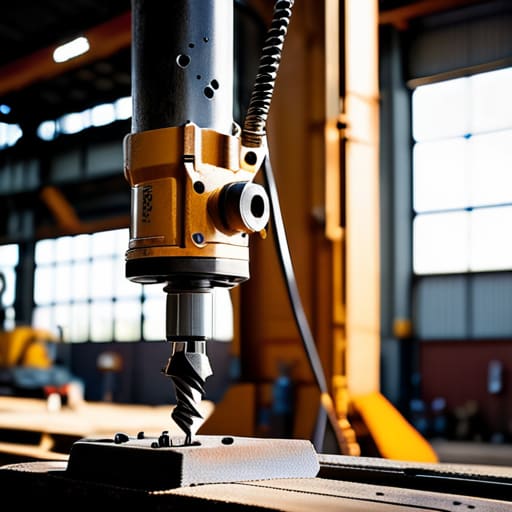
When you’re out in the field or working on a massive I-beam that won’t fit in your shop, you can’t just grab any old tool and hope for the best. A proper portable magnetic drill selection guide starts with looking at the motor and the base. You need to know exactly what kind of electromagnetic base strength you’re working with; if that magnet can’t hold steady against the resistance of the metal, you’re asking for a dangerous situation. I always tell my apprentices to check the lifting capacity against the torque the motor produces. If the machine is stronger than the magnet’s grip, you’re going to have a bad day.
You also need to decide how you’re actually going to cut the metal. Most folks get hung up on the choice between an annular cutter vs twist drill, but for real industrial work, the annular cutter is your best friend. It’s faster, cleaner, and leaves a much better edge for subsequent machining. Just remember, regardless of the bit you choose, never skip your magnetic drill safety precautions. Check your ground, clear your workspace, and make sure that base is seated on clean, flat steel before you even think about pulling the trigger.
Why Electromagnetic Base Strength Is Non Negotiable
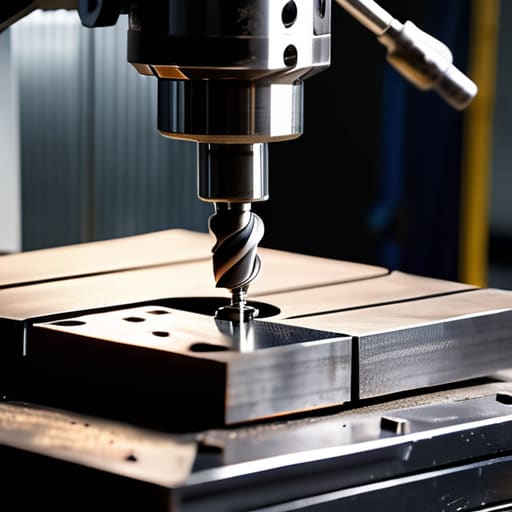
Look, I’ve seen plenty of fellas try to save a few bucks by picking up a lightweight unit, only to watch it dance across the workpiece the moment the bit bites. When you’re working with an annular cutter vs twist drill, the torque difference is night and day. An annular cutter wants to grab that metal and pull the whole machine with it. If your electromagnetic base strength isn’t up to the task, you aren’t just looking at a messy hole; you’re looking at a broken tool or, worse, a trip to the emergency room.
You have to treat that magnet like it’s the only thing keeping you upright. I always tell my apprentices that stability is the foundation of precision. If the base is even slightly slipping, your metalworking drilling precision goes straight out the window. You’ll end up with oval holes and ruined stock. Before you even think about pulling the trigger, check your surface for scale or rust. A clean, flat contact point is one of the most important magnetic drill safety precautions you can take. Don’t compromise on the hold, or the machine will compromise on the job.
Five Ways to Keep Your Rig from Turning Into a Paperweight
- Clean your workpiece like you mean it. I’ve seen guys try to drill through a scale-covered slab of steel or a rusted-out beam, and all they end up doing is fighting the magnet. If that surface isn’t smooth and free of grit, your base won’t seat right, and you’re asking for a slip that’ll ruin your bit and your day.
- Don’t neglect the coolant system. A dry bit is a dead bit, and a dry drill press is a fast track to a seized motor. Make sure your pump is clear of metal shavings and that you’ve got a steady flow of lubricant hitting the cutting edge; if you see smoke, you’ve already waited too long.
- Check your cord and connections before you start. It sounds simple, but a frayed lead or a loose plug in a dusty shop is a recipe for a short that’ll fry your electronics. I always give my cables a quick tug and a visual inspection before I even plug the machine in.
- Listen to the machine. A good drill press will tell you when something is off through the sound of the motor and the vibration in the handle. If you start hearing a high-pitched scream or a rhythmic knocking, stop immediately—don’t try to “power through it,” or you’ll be replacing a bearing instead of just a bit.
- Store it in a dry spot, not just anywhere. These machines are built of heavy-duty steel, but they aren’t invincible against oxidation. If you leave it sitting in a damp corner of the shop, you’re going to spend more time fighting rust on the rails and the base than actually doing any real work.
The Bottom Line on Picking Your Rig
Don’t get blinded by fancy digital readouts or extra bells and whistles; if the magnet doesn’t hold firm and the motor can’t handle the torque, the rest of the machine is just expensive scrap metal.
Invest in a machine with parts you can actually get your hands on, because the minute a bearing goes or a switch fails, you’ll want to be fixing it yourself rather than tossing the whole unit in a landfill.
Always match the drill’s capacity to the toughest job you’ll actually face, not the easiest one, so you aren’t straining the tool and burning out the motor every time you hit a thick plate.
## The Truth About Your Tool’s Grip
“A magnetic drill is only as good as the bond between that base and your workpiece; if you’re skimping on magnet strength just to save a few bucks, you aren’t just risking a bad hole—you’re risking a piece of flying steel and a broken machine.”
Alistair Fenwick
Final Thoughts Before You Strike

At the end of the day, picking out a magnetic drill isn’t about finding the flashiest tool in the catalog or the one with the most bells and whistles. It’s about ensuring that when you’re out in the field or working on a heavy plate, the machine stays exactly where you put it. You need to prioritize that electromagnetic base strength we talked about, and you better make sure the motor has enough grunt to handle the bit without stalling out halfway through a hole. Don’t get distracted by cheap plastic housings or marketing jargon; focus on the mechanical integrity and the weight of the build. If the tool feels flimsy in your hands now, it’s going to fail you when the real work begins. Buy for capability, not for convenience.
I’ve seen too many young guys walk into a shop with a bag full of disposable tools that end up in a scrap bin before the year is out. It’s a waste of money and a waste of talent. When you invest in a proper magnetic drill, you aren’t just buying a piece of equipment; you’re investing in your own ability to get the job done right the first time. Take the time to learn the machine, maintain the magnets, and respect the power it holds. If you treat your tools with a bit of respect, they’ll serve you for a lifetime. Build things that last, and start by owning tools that are capable of doing the same.
Frequently Asked Questions
How do I know if my workshop's power supply can handle the draw of a heavy-duty magnetic drill without tripping a breaker mid-cut?
Before you even plug that beast in, you need to check your circuit’s amperage rating against the drill’s startup draw. Most heavy-duty units pull a massive spike the second that motor kicks over. If you’re running it on a shared 15-amp circuit with a compressor or a welder, you’re asking for a tripped breaker right when you’re halfway through a critical hole. Run a dedicated line if you can; don’t let a cheap breaker ruin a good piece of steel.
Is it worth spending the extra money on a cordless model, or am I better off sticking to a corded unit for consistent torque?
Look, if you’re doing heavy-duty production or drilling thick plate all day, stick to the corded unit. You want that constant, unwavering torque without worrying about a battery dying mid-hole. Cordless models have come a long way, and they’re handy for quick field repairs where a lead is a nuisance, but they can’t match the steady muscle of a plug-in machine. Don’t trade reliability for convenience unless you absolutely have to.
What's the best way to clean and maintain the magnet face so I don't end up with a tool that won't hold steady on a job site?
Keep that magnet face clean, or you’re asking for trouble. If there’s even a thin film of oil, grit, or metal shavings between the base and your workpiece, you’ve lost your grip. I always keep a clean rag and some degreaser handy. Wipe the face down before every single use. If you find a pit or a scratch, don’t ignore it—that’s where your stability starts to fail. Treat that surface like it’s part of the job.
