I remember sitting in my first fabrication shop back in the late seventies, the air thick with the smell of ozone and burnt steel, listening to the high-pitched scream of a heavy-duty angle grinder biting into a fresh plate of carbon steel. I watched an old journeyman work, and he didn’t just pull a trigger and pray; he listened to the machine. He knew exactly when the wheel was about to bind or when he was putting too much pressure on the cut. Most folks today treat these tools like they’re disposable toys, grabbing the cheapest cordless model they can find at the big-box store and wondering why their welds look like garbage or why they’ve ruined a perfectly good piece of stock.
I’m not here to sell you on some fancy, overpriced gadget that promises to do the work for you. What I want to do is teach you how to actually respect the tool so you can stop wasting material and start making things that last. I’m going to walk you through the grit of it—how to select the right disc, how to control the kickback, and why your technique matters more than the brand name on the casing. We’re going to do this the right way, with patience and precision.
Table of Contents
- Choosing Between Cordless vs Corded Angle Grinders for Longevity
- Selecting Abrasive Material Types That Wont Let You Down
- Five Rules to Keep You from Ruining Your Work (and Your Hands)
- The Bottom Line Before You Start Grinding
- ## Respect the Spin
- Putting the Grinder to Work
- Frequently Asked Questions
Choosing Between Cordless vs Corded Angle Grinders for Longevity
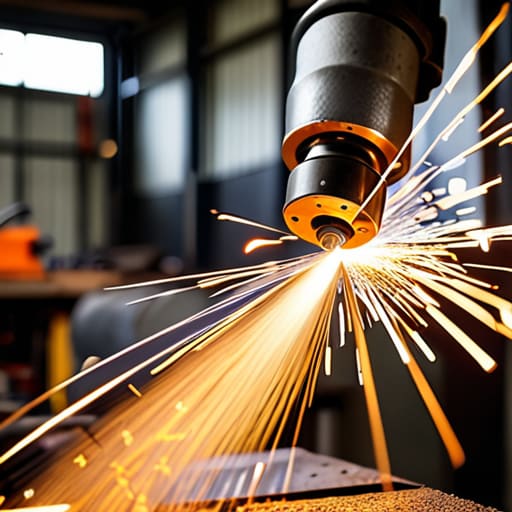
Now, when you’re standing in the tool aisle, you’re going to face the age-old debate: cordless vs corded angle grinders. If you ask me, there isn’t a single “right” answer, but there is a right tool for the specific job at hand. I’ve spent plenty of years tethered to a wall outlet, and there’s a certain reliability in a corded unit that’s hard to beat. You don’t have to worry about a battery dying halfway through a heavy grind or losing torque just when the metal starts getting stubborn. For heavy-duty fabrication where you’re running the tool for hours on end, that constant, steady draw of power is king.
That said, I’ll be the first to admit that modern battery technology has come a long way. If you’re working in a tight corner of the shop or out in the yard restoring an old gate, the freedom of a cordless model is unbeatable. Just don’t get complacent. You still need to respect your metalworking power tools the same way you would a corded one. A cordless unit might feel lighter, but it still packs enough punch to kick back if you aren’t careful. Choose based on your workflow, not just what looks shiny on the shelf.
Selecting Abrasive Material Types That Wont Let You Down
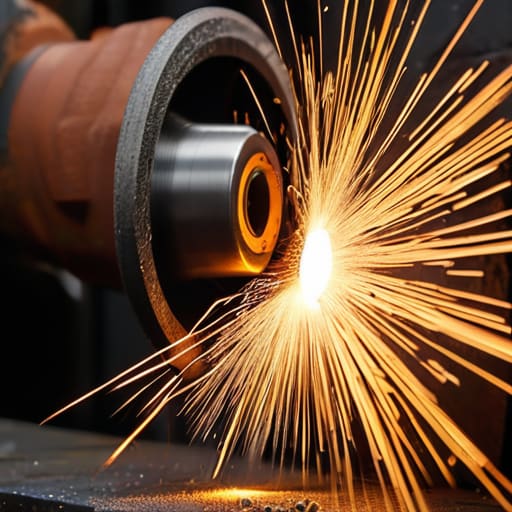
Now, once you’ve got your machine sorted, you have to talk about what’s actually touching the metal. I’ve seen too many young fellas grab the first disc they find in a bargain bin, only to have it shatter or glaze over halfway through a cut. You need to understand your abrasive material types before you pull that trigger. If you’re grinding heavy steel, you want a coarse grain that bites deep. If you’re moving into finer surface finishing techniques, you’ll want something much more refined, like a flap disc, to avoid leaving deep gouges that you’ll just have to spend hours sanding out later.
Don’t go thinking one disc does it all, either. Using a cutting disc for grinding is a fast way to ruin your gear and potentially hurt yourself, so keep your angle grinder safety precautions at the front of your mind. Match the grit to the job and respect the speed of the tool. If you use a disc that’s too soft for the material, it’ll wear down in minutes; if it’s too hard, it won’t cut at all. Get the right material, and the tool will do the work for you.
Five Rules to Keep You from Ruining Your Work (and Your Hands)
- Watch your pressure. I see too many young fellas leaning their whole body weight into the grinder like they’re trying to plow a field. You don’t need to force it; let the RPMs do the heavy lifting. If you push too hard, you’ll heat the metal up too fast, ruin the temper, or worse, kick the tool back at you.
- Check your discs every single time you swap them. A hairline crack in a grinding wheel might look like nothing, but once it hits 10,000 RPM, that thing turns into a fragment grenade. If it’s chipped or worn unevenly, toss it in the scrap bin. It’s not worth the risk.
- Mind the sparks. It’s tempting to just start grinding wherever you’re standing, but you need to know where that shower of hot metal is heading. Keep your eyes on your surroundings—fire hazards, flammable rags, or even a buddy walking by. Control the spark, or it’ll control you.
- Don’t ignore the sound. Your grinder will tell you when something is wrong. If it starts whining, vibrating, or sounding “off,” stop immediately. It usually means a bearing is going or the spindle is bent. Fix the tool before you try to fix the metal.
- Use the right guard, always. I’ve seen people pull the safety guard off because it “gets in the way” of a tight corner. That’s a shortcut that leads to a trip to the emergency room. If you can’t reach the spot, find a different angle or a smaller tool. There’s no prize for being reckless.
The Bottom Line Before You Start Grinding
Don’t let the convenience of cordless tools blind you to the raw, steady power of a corded grinder when you’re tackling heavy, deep-cut jobs.
Stop wasting money on cheap, generic discs; a high-quality abrasive might cost more upfront, but it won’t burn up halfway through a single edge.
Treat your grinder with respect—keep your eyes on the spark, your hands steady, and never try to force the tool to do the work for you.
## Respect the Spin
“An angle grinder isn’t a magic wand that fixes mistakes; it’s a high-speed tool that demands your full attention. If you treat it like a toy, it’ll bite you, and if you treat it like a shortcut, it’ll ruin your workpiece before you even realize you’ve gone too deep.”
Alistair Fenwick
Putting the Grinder to Work
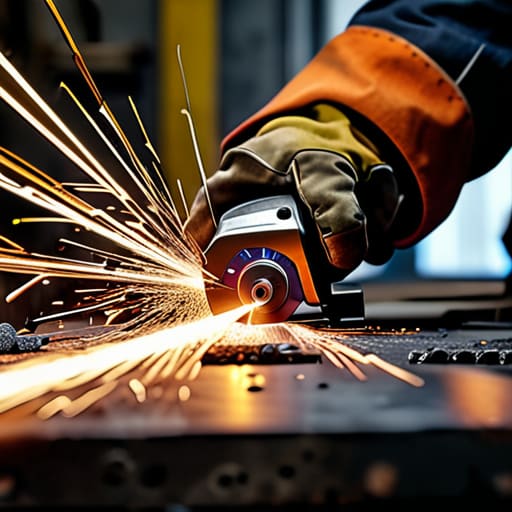
At the end of the day, an angle grinder is only as good as the man holding it and the choices he made before he even pulled the trigger. We’ve talked about why you shouldn’t skimp on the power source—whether that’s the steady reliability of a corded unit or the freedom of a well-built cordless—and why picking the right abrasive is the difference between a clean edge and a ruined workpiece. If you go out there with cheap, generic discs and a motor that can’t handle the load, you’re just asking for frustration and wasted material. Take a moment to match your tool to the job, select your abrasives with intention, and you’ll find that the machine does half the work for you.
My advice to you is simple: don’t let the speed of the tool dictate your pace. It’s easy to get carried away by the sparks and the noise, but the real skill lies in the control you maintain over the metal. Use that grinder to refine, to shape, and to repair, but never let it become a substitute for steady, patient craftsmanship. When you finish a project and run your hand over a smooth, perfectly ground edge, you’ll know it wasn’t just luck—it was the result of respecting the tool and the process. Now, get back to the bench and build something that’s actually worth keeping.
Frequently Asked Questions
How can I tell if my grinder's bearings are going bad before it starts shaking the teeth out of my hands?
You don’t wait for the vibration to rattle your teeth; by then, the damage is done. Listen closely when you first pull the trigger. If you hear a high-pitched whine or a grinding sound that doesn’t match the motor’s hum, those bearings are crying for help. Give the spindle a quick spin by hand while it’s off—if it feels gritty or catches instead of gliding smooth, put the tool down. Don’t force it.
Is it worth spending the extra money on a high-end disc, or am I just paying for a fancy brand name?
Look, I’ve seen plenty of folks try to save a few cents on cheap, generic discs, only to end up fighting the tool more than the metal. You aren’t just paying for a logo; you’re paying for consistent grain structure and a better bond. A high-end disc cuts cleaner and lasts longer, which means less downtime and less frustration. In my shop, I’d rather pay more upfront than waste an afternoon fighting a disc that’s crumbling mid-cut.
What’s the safest way to swap out a worn-out grinding wheel without risking a kickback?
First thing you do is pull the plug or pop the battery out. I don’t care how “safe” a switch feels; if that tool kicks on while your fingers are near the spindle, you’re in trouble. Once it’s dead, use the flange wrench to loosen the nut. Never force it—if it’s stuck, a bit of penetrating oil is better than a hammer. When you seat the new wheel, make sure it’s flush and tight, but don’t over-torque it.
