I remember standing over a heavy workbench in a fabrication shop back in ’84, the air thick with the smell of cutting oil and the rhythmic, grating screech of a junior apprentice who thought he could finish a job in half the time. He was treating metal filing like he was sanding down a piece of pine, pushing the file with all his might and praying for a result. Within ten minutes, he’d gone right past his marks, ruined a perfectly good piece of steel, and ended up with nothing but a frustrated temper and a pile of wasted scrap. That’s the problem with how people approach this craft today; they think speed is a substitute for skill.
I’m not here to sell you on some fancy, motorized miracle tool that promises a perfect finish in seconds. What I want to do is teach you how to actually listen to the metal and use your hands to feel when you’re making progress. I’ll show you how to select the right grade of file and, more importantly, how to maintain a steady rhythm so you don’t lose your way. If you’re willing to put in the patience, I’ll make sure you walk away with a finish that actually lasts.
Table of Contents
Mastering Manual Metalwork Skills Through Deliberate Motion
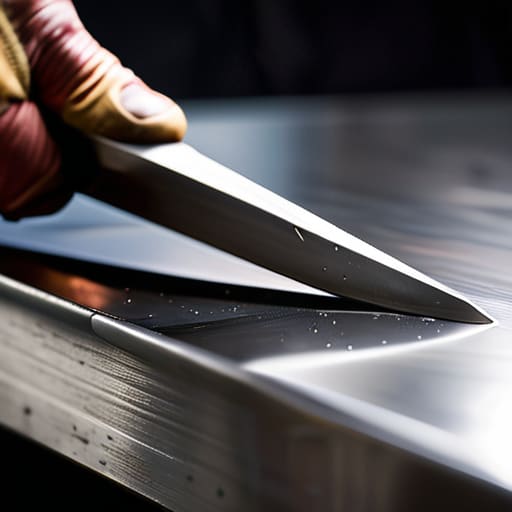
You can’t just grab a file and hope for the best; you have to understand the rhythm of the stroke. Most folks I see in the shop make the mistake of applying too much pressure, trying to force the metal to disappear. That’s a fool’s errand. Real manual metalwork skills come from a steady, rhythmic motion where the tool does the work, not your bicep. You want to use the full length of the file, from heel to toe, in a single, continuous sweep. If you start shortening your strokes as you get tired, you’ll end up with a surface that looks like a plowed field instead of a finished part.
Before you even touch the workpiece, you need to pay attention to your abrasive tool selection. It isn’t just about picking a tool that looks right; it’s about matching the cut to the job at hand. If you’re just removing burrs from metal after a rough cut, a coarse bastard file is your best friend. But if you try to jump straight to a fine finish without doing the heavy lifting first, you’ll spend three hours doing a job that should have taken twenty minutes. Respect the process, or the process will punish you.
The Truth About File Grit Comparison and Material Respect
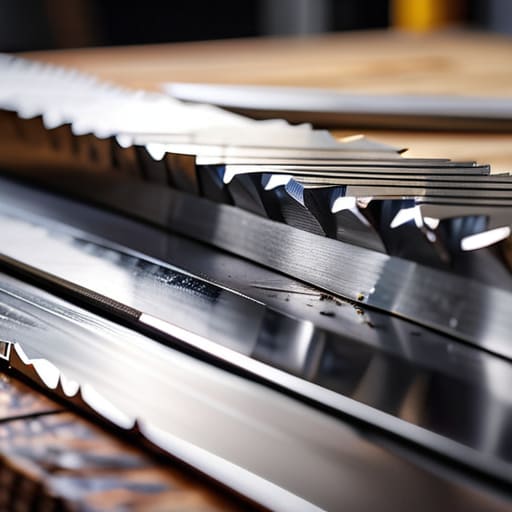
Now, don’t go thinking that every file in your drawer is created equal. I’ve seen too many young lads grab the first coarse bastard file they see and try to use it for everything from heavy stock removal to fine finishing. That’s a recipe for a ruined workpiece. When you’re looking at file grit comparison, you have to understand that the teeth are your lifeline to the metal. A coarse file is meant for moving material fast, but if you try to use it for delicate work, you’ll leave deep, ugly gouges that’ll take you hours to sand out later.
It’s all about respecting the grain of the metal you’re working on. If you’re just removing burrs from metal after a cut, a fine-tooth file is your best friend. But if you’re trying to shape a heavy bracket, you need that aggressive bite of a coarser tool. You have to match the tool to the task, or you’re just fighting the steel instead of working with it. Take a moment to look closely at the teeth before you start swinging; choosing the right grit isn’t a suggestion, it’s the foundation of the whole job.
Five Rules to Keep Your Files Working and Your Edges True
- Keep your file card handy and use it often. A clogged file is a useless file, and if you try to force a file packed with metal chips through a cut, you’ll end up scarring the very surface you’re trying to smooth out.
- Watch your pressure. You don’t need to lean your entire body weight into the tool; let the teeth do the work. If you push too hard, you’ll just bow the file or fatigue your wrist, and you’ll never get a flat surface that way.
- Always use a handle. I’ve seen too many young fellas working with a bare tang because they think it feels more “connected.” That’s a quick way to end up in the clinic with a nasty puncture wound when the file slips.
- Mind the direction of your stroke. A file is designed to cut on the forward stroke, so don’t waste your energy pushing it backward. Lift it slightly or ease off the pressure on the return to keep the teeth from wearing down prematurely.
- Check your work constantly. Don’t just file away for twenty minutes thinking you’re making progress. Stop every few strokes, wipe the metal clean, and run your hand over it—or better yet, use a straight edge—to make sure you aren’t accidentally rounding off your corners.
The Fundamentals to Carry Into Your Shop
Stop fighting the metal; instead, listen to the rhythm of your strokes and let the file do the heavy lifting so you don’t burn yourself out or ruin the edge.
Always match your grit to the job at hand, because jumping to a fine finish before you’ve cleared the bulk of the material is just a fast way to waste your time and your tools.
Keep your workspace clean and your file teeth clear of swarf, because a clogged file is nothing more than a piece of useless scrap metal in your hand.
The Rhythm of the File
A file isn’t a tool you fight against; it’s something you work with. If you try to force the metal to move faster than the teeth can bite, you’re just wasting your breath and your energy. You have to find that steady, rhythmic stroke—the one that tells you the material is actually yielding to your hand—because that’s where the real work happens.
Alistair Fenwick
The Final Stroke
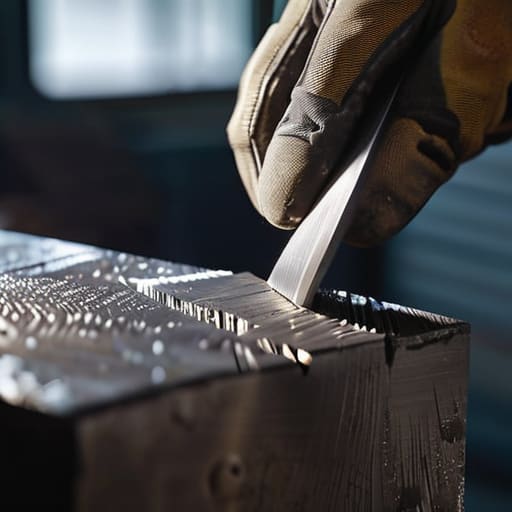
At the end of the day, mastering the file isn’t about how fast you can move the steel across the workbench; it’s about understanding the relationship between your hand, the tool, and the metal itself. We’ve talked about the importance of choosing the right grit and the necessity of using deliberate, rhythmic strokes rather than just hacking away at a surface. If you skip the fundamentals or try to force a finish with a coarse file when a fine one is required, you aren’t saving time—you’re just inviting frustration. Remember, a clean, flat surface is built through a thousand small, correct decisions, not one big, hurried one. Don’t rush the process, or you’ll find yourself grinding away more material than you ever intended.
I know there’s a temptation in this modern world to just grab a power tool and grind everything down until it looks “good enough.” But there is a profound, quiet satisfaction in looking at a piece of metal and knowing that every micron of that finish was earned by your own steady hand. When you take the time to file properly, you aren’t just shaping an object; you are cultivating a discipline that carries over into every other part of your workshop. Build things with intention, treat your tools with respect, and always aim for a finish that stands the test of time. That is how you move from being someone who just uses tools to being a true craftsman.
Frequently Asked Questions
How do I know when I'm applying too much pressure and risking a jagged finish?
If you find yourself leaning your whole weight into the file, you’ve gone too far. You’ll know you’re overdoing it when the tool starts to chatter or skip across the surface instead of biting in smoothly. If the metal feels hot to the touch or you see deep, uneven gouges appearing, back off. A file should do the work through steady, controlled strokes, not through brute force. Let the teeth do the biting, not your muscles.
Is there a particular way to clean the metal shavings out of the file teeth so they don't scratch my workpiece?
You’ve hit on a crucial point. If you leave those little metal bits—we call them pins—clogged in the teeth, they’ll gouge your workpiece and ruin a perfectly good finish. Don’t go using a wire brush if you can avoid it; you’ll just dull the cutting edges. Grab a proper file card instead. Use firm, one-way strokes along the length of the teeth to flick the debris out. It’s a bit of extra work, but it beats starting over.
When should I stop using a coarse bastard file and move on to a finer cut to avoid wasting time?
You stop when the heavy marks from that bastard file have done the bulk of the lifting, but before you start fighting the metal. If you feel like you’re spending more time trying to smooth out deep scratches than you are actually removing material, you’ve stayed too long. Move to a second-cut or a fine file once the shape is true. Don’t try to polish a rough surface with a fine file; you’ll just burn through the grit.
