I remember a Tuesday back in ’84, working a heavy industrial contract where the shop floor was thick with the smell of coal smoke and scorched scale. I was a young man then, eager to prove myself, and I’d gone and bought a set of pre-made, “professional grade” tongs from a catalog to save some time. Halfway through a critical taper, the jaws spread wide like a dying fish, letting a glowing piece of mild steel slip right into the dust. I spent the next three hours cleaning up the mess and cursing that waste of good metal. It taught me a lesson I haven’t forgotten: if your tongs for blacksmithing aren’t an extension of your own hand, they’re nothing more than a liability waiting to happen.
I’m not here to sell you some overpriced, shiny kit from a fancy website that’ll bend the first time it hits a real heat. What I want to do is show you how to identify what actually works and, more importantly, how to forge your own. We’re going to talk about jaw geometry, grip tension, and why you should never settle for anything less than a tool that’s built to last.
Table of Contents
Choosing the Right Types of Blacksmithing Tongs
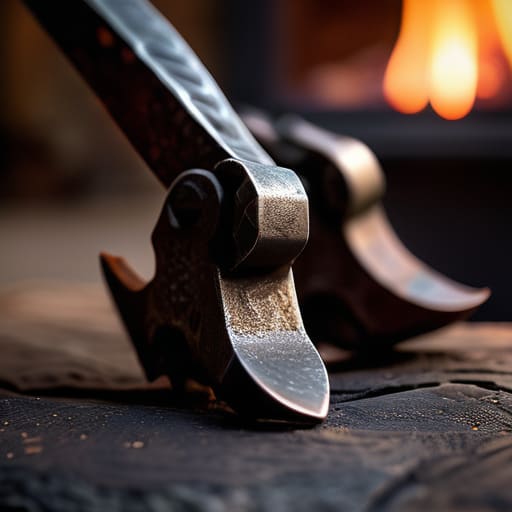
Now, don’t go thinking one pair of jaws is going to solve every problem you run into at the anvil. If you’re looking through a blacksmithing hand tools guide, you’ll see a dozen different shapes, but you really only need to worry about the fundamentals first. You’ve got your flat jaws for working sheet metal or smoothing out a surface, and then you’ve got your bolt jaw tongs, which are the workhorses for gripping round stock. If you’re trying to hold a tapered piece, you’ll want something with a bit more specialized geometry.
The real secret to metalworking grip and control isn’t just about the shape of the steel; it’s about how well the tool fits the specific task at hand. I’ve seen too many beginners struggle because they’re trying to force a flat-jawed tool to hold a square bar, and all that does is slip and ruin your workpiece. You might start with a few general-purpose pairs, but as you get deeper into custom blacksmithing tool making, you’ll realize that the best tool is often the one you forge yourself to fit the exact dimensions of the metal you’re working with.
Why Custom Blacksmithing Tool Making Beats Store Bought Junk
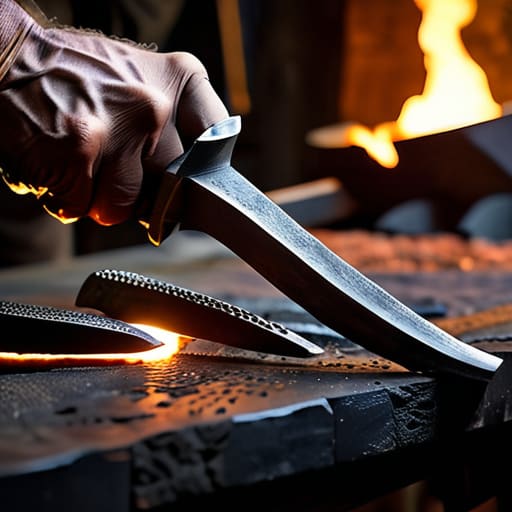
Look, I’ve seen plenty of beginners walk into a shop with a catalog full of shiny, mass-produced gear, thinking they’re ready to work. But most of that store-bought stuff is made for the masses, not for a specific job. When you buy pre-made, you’re settling for a “close enough” fit. In this trade, “close enough” usually means a slip of the hand or a burnt knuckle. Custom blacksmithing tool making isn’t just about being stubborn; it’s about ensuring your tools fit your hand and your specific projects perfectly.
When you forge your own, you’re gaining a level of metalworking grip and control that no factory-stamped piece of steel can ever provide. You can tailor the jaw shape to the exact diameter of the stock you’re working with most often, and you can adjust the handle length to suit your reach. It takes more time upfront, sure, but you aren’t just making a tool—you’re building a piece of your own legacy. If you take the time to do it right, you won’t be hunting for replacements every time a cheap hinge snaps.
Five Rules for Keeping Your Grip Tight and Your Hands Safe
- Check the jaw alignment every time you pull them from the rack. If they’re even slightly twisted or uneven, you’ll find yourself fighting the metal instead of shaping it, and that’s a quick way to drop a hot piece right on your toes.
- Don’t be afraid to file down the inside of the jaws. Over time, the steel gets slick or develops burrs that won’t bite. A little bit of work with a file to restore that “grip” makes all the difference when you’re working a long piece.
- Avoid the temptation to use pliers for anything more than a light tap. If you aren’t using dedicated blacksmithing tongs, you’re asking for the tool to bend or, worse, for the workpiece to slip mid-swing.
- Keep an eye on your rivet tightness. I’ve seen too many beginners ignore a loose joint, only to have the two halves of the tongs spread apart right when they’re holding a heavy hammer blow. If they feel wobbly, fix ’em immediately.
- Treat your tongs like an extension of your own hands. Clean off the scale and the grit after a heavy session. It’s not about being precious with them; it’s about making sure the mechanism stays smooth so you don’t have to struggle with stiff hardware when the forge is roaring.
The Bottom Line on Your Tongs
Stop looking for a “one-size-fits-all” solution; a proper shop needs a variety of specialized tongs to handle different shapes and sizes without slipping.
Invest your time in forging your own tools rather than wasting money on cheap, mass-produced steel that’ll bend the first time you put real work into it.
Treat your tongs like an extension of your own hands—keep them clean, keep them sharp, and never settle for a grip that makes you fight the metal.
## The Extension of Your Own Hand
“A decent pair of tongs shouldn’t just be something you hold; they should feel like an extension of your own arm. If you’re constantly fighting the tool to get a grip on the workpiece, you aren’t blacksmithing—you’re just wrestling with bad steel, and that’s a quick way to lose a finger or ruin a good piece of iron.”
Alistair Fenwick
Putting the Hammer to Work
At the end of the day, your tongs are just an extension of your own hands. If they don’t fit the way you work, or if they slip when the steel is at a bright cherry red, you aren’t just fighting the metal—you’re fighting your own tools. We’ve talked about why you need to understand the different geometries, why a specialized pair for specific tasks is better than one “do-it-all” piece of scrap, and why investing your own sweat into making your own tongs beats buying some mass-produced, flimsy set from a big-box catalog every single time. Remember, a good tool should be reliable enough to trust when things get hot and heavy.
Don’t let the fear of wasting a bit of steel keep you from picking up the hammer and trying to forge your own grip. It might take a few tries to get the proportions right, and you’ll likely burn through a bit more fuel than you’d like, but that’s just part of the learning curve. There is a certain kind of satisfaction that comes from holding a piece of iron that you shaped yourself, knowing it’s going to be in your shop for the next forty years. Stop looking for the easy way out and start building a legacy in your own workshop. One solid, well-made tool is worth more than a dozen cheap ones.
Frequently Asked Questions
How do I know if the steel I'm using for my DIY tongs is actually going to hold its shape once it gets red hot?
You’re looking for something that won’t turn into wet noodles the second it hits the forge. The best way to tell is to look for high-carbon steel—something like 1045 or even old leaf springs from a scrap yard. If you can find a piece of tool steel, even better. Avoid that mild, low-carbon stuff you find at the big-box hardware stores; it’s fine for a gate hinge, but it’ll lose its temper and bend like a willow branch when things get hot.
Is it worth it to make a dozen different specialized pairs, or should I just stick to a few versatile ones?
Look, I’ve seen plenty of fellas clutter up their anvils with a dozen different pairs of specialty tongs they used once and forgot about. Don’t fall into that trap. Start with two or three solid, versatile pairs—something for general holding and something for specific shapes. Once you actually feel the metal slipping or find yourself fighting a piece because your grip is off, that’s when you forge a specialized pair. Build for necessity, not for show.
What's the best way to fix a pair of tongs that's started to spring open or lose its grip?
If your tongs have lost their bite and keep springing open, don’t go tossing them in the scrap bin just yet. Most of the time, you’ve just got a bit of spring tension that’s gone soft. Get them back in the forge until they’re a dull red, then work the pivot point. You’ll likely need to tighten the rivet or even forge a new one. A little heat and some steady pressure will bring that grip right back.
