I can still smell the burnt ozone and singed hair from the afternoon I decided to skip the face shield because “it was just a quick grind.” I was twenty-two, cocky, and thought I knew better than the old-timers, but a stray spark from a buffing wheel has a way of humbling a man real quick. That’s when I realized that metalwork workshop safety isn’t about some laminated checklist taped to a wall or a lecture from a bureaucrat; it’s about respecting the tools you’re holding in your hands. If you treat a grinder like a toy, it’ll treat you like a target, and there aren’t many second chances once the metal starts flying.
I’m not here to bore you with a list of generic rules you could find in any cheap manual. Instead, I’m going to give you the hard-earned truth about how to stay in one piece while you’re working. I’ll share the practical, no-nonsense habits I’ve picked up over forty years in the trade—the kind of stuff that keeps your eyes clear and your fingers intact. We’re going to focus on building a workspace that works for you, not against you, because you can’t finish a good job if you’re sitting in a waiting room.
Table of Contents
- The Right Armor Personal Protective Equipment for Welders
- Shielding the Iron Why Metalworking Machine Guarding Is Non Negotiable
- Keeping Your Eyes on the Prize: Five Ways to Avoid a Costly Mistake
- The Bottom Line on Staying Whole in the Shop
- ## The Cost of a Shortcut
- The Final Inspection
- Frequently Asked Questions
The Right Armor Personal Protective Equipment for Welders
You can’t walk into a shop and expect the metal to respect you just because you’ve got a steady hand. If you aren’t wearing the right gear, you’re essentially inviting a disaster to happen. When it comes to personal protective equipment for welders, I’ve seen too many young lads treat a welding helmet like an optional accessory rather than a lifeline. A decent auto-darkening hood isn’t a luxury; it’s the only thing standing between your eyesight and a lifetime of “arc eye” pain. Pair that with heavy leather gloves and a proper apron, and you’ve built a barrier that actually lets you focus on the bead instead of flinching from every stray spark.
It’s not just about the light, though. You’ve got to think about what you’re breathing in. Proper respiratory protection in metal shops is something people tend to overlook until they start feeling a tightness in their chest. Whether you’re grinding stainless or just pulling a long bead on galvanized steel, those fumes are nasty business. Don’t be stubborn—if the ventilation is poor, put on a respirator. It’s a lot easier to wear a mask than it is to deal with lung damage ten years down the line.
Shielding the Iron Why Metalworking Machine Guarding Is Non Negotiable
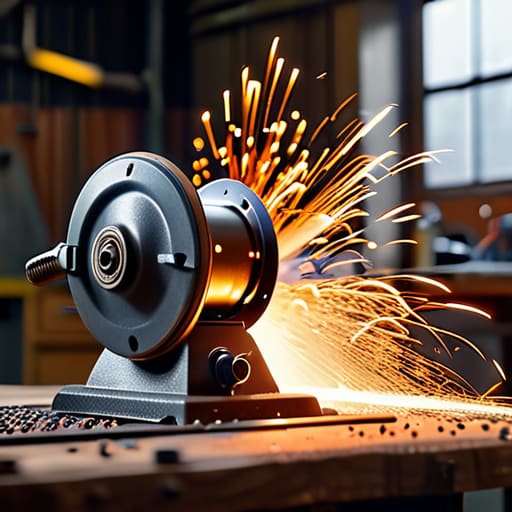
You can have the best personal protective equipment for welders in the world—the finest leather apron or a top-of-the-line auto-darkening hood—but if you’re running a bench grinder with the guard removed, you’re just asking for trouble. I’ve seen too many young fellas think they can gain a few inches of workspace by stripping a machine down to its bones. That’s a fool’s errand. A guard isn’t there to get in your way; it’s there to catch the shards when a wheel decides to shatter or to keep your fingers from meeting a spinning belt. Never bypass a safety shield just because it feels cumbersome.
Proper metalworking machine guarding is about respecting the sheer force of the tools we use. Whether it’s a drill press, a lathe, or a heavy-duty shear, those machines don’t have a conscience; they won’t stop just because they’ve caught a bit of your sleeve or a stray piece of scrap. I always tell my apprentices that a machine without its guard is nothing more than a liability waiting to happen. Treat every piece of moving machinery with a healthy dose of suspicion, and make sure those covers are bolted tight before you ever flip the switch.
Keeping Your Eyes on the Prize: Five Ways to Avoid a Costly Mistake

- Clear the clutter before you strike an arc. A workshop floor covered in scrap metal, tangled leads, or stray grinding discs is just a collection of trip hazards waiting for you to lose your footing mid-cut. Keep your workspace tidy, or you’ll find yourself tripping into a piece of hot steel.
- Never trust a machine that sounds wrong. If your grinder starts screaming or your drill press begins to shudder, shut it down immediately. Don’t try to “power through” a mechanical hiccup; that’s usually the sound of a bearing failing or a disc about to shatter.
- Manage your ventilation or you’ll pay for it later. Metalwork creates more than just sparks; it creates fumes that’ll rot your lungs faster than rust eats an old gate. If you’re welding or grinding in a corner, make sure you’ve got a fan moving air or a proper extractor running.
- Watch your hands near the heat. It sounds simple, but when you’re focused on a precise weld or a delicate grind, it’s easy to forget where your fingers are sitting. Use pliers, tongs, or clamps to move hot stock. Your skin doesn’t heal nearly as fast as a piece of mild steel.
- Double-check your settings before you hit the switch. I’ve seen too many young lads crank the amperage or the RPMs way higher than the tool or the material can handle just to see what happens. Set your machine, verify the dial, and then proceed. Rushing the setup is how accidents turn into permanent injuries.
The Bottom Line on Staying Whole in the Shop
Never treat your PPE like an afterthought; a high-quality welding hood or a thick pair of gloves isn’t an inconvenience, it’s the only thing standing between a productive afternoon and a trip to the emergency room.
Respect the machines you use by keeping every guard and shield exactly where the manufacturer intended, because a grinder without its guard is just a handheld projectile waiting for a reason to fly.
Listen to your body and the tools—if you’re feeling rushed, tired, or the equipment sounds “off,” stop what you’re doing, take a breath, and reset, because that’s when the most expensive and painful mistakes happen.
## The Cost of a Shortcut
“You can always buy more steel, and you can always find another grinder, but you can’t replace a finger or an eye once they’ve been taken by a moment of carelessness. In this shop, we respect the tools, because the second you stop respecting them is the second they start working against you.”
Alistair Fenwick
The Final Inspection
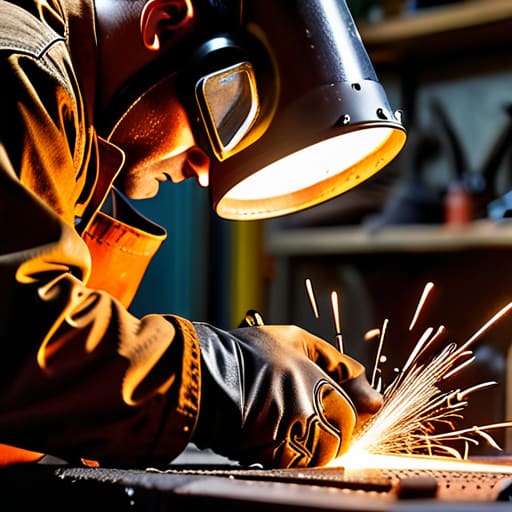
At the end of the day, safety isn’t some checklist you tick off just to satisfy a manual; it’s the foundation of everything we build. We’ve talked about why you need the right armor to protect your eyes and skin, and why those machine guards aren’t just suggestions—they are the only thing standing between a productive afternoon and a trip to the emergency room. If you neglect your PPE or bypass a safety shield to save thirty seconds, you aren’t being efficient; you’re being reckless. A clean, organized shop and a disciplined approach to your equipment are what separate a true craftsman from someone just playing with fire. Respect the tools, or they will eventually demand your respect in a way you won’t like.
I’ve spent forty years in shops much louder and more dangerous than this one, and I’ve learned that the best piece of equipment you own is your own common sense. Metal is unforgiving. It doesn’t care about your deadline or your frustration. But when you take the time to do things right—when you prepare your workspace and honor the physics of the machine—you earn the right to create something that lasts. Don’t just aim to finish the project; aim to master the craft with your hands and your health intact. Go ahead and get to work, but keep your eyes sharp and your mind on the task.
Frequently Asked Questions
How often should I be replacing my welding gloves and safety glasses before they become more of a hazard than a help?
Don’t wait for a hole to appear in your gloves or a scratch to cloud your lenses before you swap them out. If your leather is thinning at the fingertips or feeling stiff and brittle from heat cycles, they’ve done their job and are ready for the scrap bin. As for your glasses, if you can’t see the edge of your workpiece clearly through the lens, they’re a hazard. Replace them immediately.
Is there a way to set up a proper ventilation system in a small home garage without spending a fortune on industrial equipment?
Look, you don’t need a factory-grade HVAC system to keep your lungs clear, but you can’t just crack a window and call it a day either. Start with a high-velocity floor fan positioned to pull the fumes away from your face and toward the door. If you’re doing heavy grinding or welding, I’d invest in a decent, portable fume extractor. It’s a bit more than a fan, but it beats breathing in metal dust for twenty years.
When I'm working with older, salvaged metal, what specific precautions should I take regarding coatings or residues that might release toxic fumes when heated?
When you’re pulling an old piece of scrap or a salvaged beam into the shop, you never know what’s hiding under that layer of rust or old paint. If it’s galvanized, you stay away from the torch—that zinc fume will make you sick faster than you can blink. Always strip off old coatings, lead paint, or oils before you start heating. If you can’t be sure, treat it like it’s toxic and keep the ventilation running.
