I remember sitting in a cramped fabrication shop back in ’84, staring at a pair of cheap, stamped-steel pliers that had just snapped clean in half while I was trying to pull a stubborn rivet. The smell of burnt oil and hot iron was thick in the air, and all I could think about was the sheer waste of money spent on tools that weren’t built for real work. Nowadays, you walk into any big-box hardware store and they try to sell you these flashy, overpriced sets with ergonomic grips and “advanced” coatings, but most of those metal-working pliers are nothing more than glorified toys. They look pretty on a pegboard, but the moment you put some actual leverage behind them, they’ll fail you when you need them most.
I’m not here to sell you on the latest marketing gimmick or tell you that a more expensive brand name magically makes you a better craftsman. My goal is to cut through the noise and show you how to identify the heavy-duty, honest tools that can actually survive a lifetime of heat and pressure. I’ll walk you through what to look for in jaw alignment, grip strength, and steel quality so you can stop buying disposables and start investing in gear that actually holds its edge.
Table of Contents
Selecting Industrial Grade Gripping Tools for Real Work
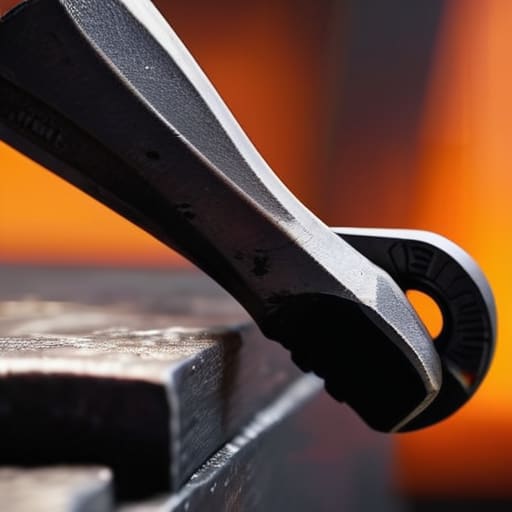
When you’re standing over a hot anvil or trying to steady a piece of sheet metal that’s fighting you, the last thing you need is a tool that slips. Most of what you see in the big-box stores these days is designed for a weekend hobbyist, not someone doing actual work. If you’re looking for industrial grade gripping tools, you have to look past the shiny finish and check the pivot point. A cheap joint will develop play within a month, and once that happens, you lose all your control. You want something with a solid, tight connection that feels like an extension of your own hand.
I’ve learned the hard way that precision metal manipulation requires more than just brute strength; it requires a tool that holds its edge and its grip under pressure. If you’re moving into more specialized work, you might find yourself looking for specific pliers for blacksmithing that can handle the heat without softening. Don’t get distracted by fancy coatings or unnecessary bells and whistles. Look for high-carbon steel and a build quality that suggests the tool was made to be repaired, not replaced. If it feels flimsy in the shop, it’ll fail you on the job.
Why Precision Metal Manipulation Demands More Than Cheap Steel
You see it all the time in the big-box stores—shiny, lightweight tools that look fine under the fluorescent lights but turn into junk the moment they meet actual resistance. If you’re trying to do any real precision metal manipulation, you can’t afford for your tool to slip or deform under pressure. Cheap steel is brittle; it either bends when it should be holding firm, or it snaps clean in half when you’re applying the necessary leverage. I’ve seen many a novice ruin a perfectly good piece of workpiece because their pliers lacked the structural integrity to maintain a steady grip.
When you’re working with heat or high tension, you need heavy duty hand tools that act as an extension of your own hands, not a liability. A proper pair of pliers should have a weight to them that tells you the metal is solid all the way through. If the jaws are soft, they’ll mar the surface of your material, leaving marks that no amount of sanding will ever truly fix. In my shop, I tell anyone starting out: invest in the steel that’s meant to work, or you’ll end up paying for it twice.
Five Rules for Keeping Your Pliers from Failing You
- Check the pivot point before you start. If there’s too much play in the joint, you aren’t gripping the metal; you’re just dancing around it, which is a quick way to slip and mar a finished piece.
- Stop using pliers as hammers. I see it all the time in shops—someone grabs a pair of needle-nose to tap a rivet into place. You’ll ruin the teeth of the tool and end up with a bent jaw that’s useless for actual gripping.
- Keep the teeth clean. Metal shavings and grit get lodged in those serrations, and if you don’t clear them out with a stiff brush, you’ll find yourself sliding right off the workpiece when you need tension the most.
- Respect the scale of the job. Don’t try to force a pair of small precision pliers to hold a heavy-gauge sheet. You’ll spring the mechanism, and once those internal pins are stretched, you’ll never get that tight, reliable squeeze back.
- Oil them, but don’t drown them. A single drop of light machine oil on the pivot once a month keeps the movement smooth. If they’re bone-dry, you’re fighting the tool instead of working the metal.
The Bottom Line on Your Next Pair of Pliers
Stop chasing the lowest price tag; a cheap pair of pliers will slip, mar your workpiece, and eventually snap when you actually need them to hold firm.
Look for high-carbon steel and proper tempering, because if the tool can’t handle the heat and the pressure of real fabrication, it’s just scrap metal in a fancy box.
Invest in tools that fit your hand and your specific task, because a tool that feels awkward is a tool that’s going to cause fatigue and mistakes before the job is done.
## The Cost of a Cheap Grip
“I’ve seen too many young fellas waste a good piece of sheet metal because they were too stingy to buy a proper pair of pliers; they end up marring the surface or losing their grip right when the tension builds, and by then, the material’s already ruined.”
Alistair Fenwick
Investing in the Right Grip
At the end of the day, choosing the right pliers isn’t about having the biggest collection in your toolbox; it’s about having the right tool for the specific tension you’re applying. We’ve talked about why you can’t cut corners with cheap, soft steel that rounds off the moment it meets real resistance, and why industrial-grade construction is the only way to ensure your grip doesn’t slip when the job gets heavy. If you invest in high-quality, forged pliers with proper serrations and a solid pivot, you aren’t just buying a tool—you’re buying yourself the certainty that the metal will move exactly where you want it to, every single time.
I know it’s tempting to grab the first bargain-bin set you see at the big-box store just to get the job done, but I’m telling you, you’ll pay for it in frustration and wasted material later. Real craftsmanship is built on a foundation of reliable gear and steady hands. Take the time to select tools that feel right in your palm and can withstand the heat of a long afternoon in the shop. When you treat your tools with respect, they’ll stand by you for decades. Now, quit reading and get back to the bench; there’s work to be done.
Frequently Asked Questions
How do I know if the steel in these pliers is actually heat-treated properly, or if it's just cheap surface hardening that'll flake off in a month?
That’s the million-dollar question. You can’t tell just by looking, but you can tell by how they behave. Cheap surface hardening is a lie; it’ll chip or flake the first time you put real pressure on the jaws. Look for pliers with a consistent, dark finish—not a shiny, chrome-plated look that hides flaws. When you squeeze them, they should feel solid, not springy or hollow. If they feel “soft,” walk away.
Is it worth spending the extra money on specialized pliers for different types of metal, or can I get away with one heavy-duty pair for most jobs?
Look, if you’re just bending some scrap wire in the backyard, one heavy-duty pair might get you by. But if you’re doing real work—shaping sheet metal or handling delicate brazing—trying to use a single pair of jaw-heavy pliers is a recipe for frustration. You’ll mar the finish or lack the grip you need. It’s worth the investment to have specialized tools for specific tasks; it saves you from ruining good material.
What's the best way to maintain the pivot point and grip so they don't start sticking or slipping after a few heavy sessions in the shop?
Don’t let grit and dried grease turn a good tool into a paperweight. After a heavy session, wipe the jaws clean with a bit of solvent to get the metal shavings out. For the pivot, don’t just drown it in WD-40; that stuff evaporates too fast. Use a high-quality machine oil or a light lithium grease. Apply a drop, work the handles a dozen times to work it in, and wipe off the excess.
