I remember standing in a fabrication shop back in ’84, watching a young apprentice blow through a perfectly good piece of mild steel because he’d grabbed a dull, cheap saw blade just to save a couple of dollars. The smell of burnt, overheated metal and the screech of a struggling motor stayed with me long after that shift ended. People today seem to think that the most expensive gadget in the catalog is what makes the job, but they’re wrong. Most of the fancy, high-priced metal cutting tools you see advertised online are nothing more than overpriced plastic wrapped in marketing hype. If you don’t understand the relationship between your blade and the material, you’re just throwing money into the scrap bin.
I’m not here to sell you on some shiny new trend or a tool that promises the world but breaks before the first cut. My goal is to sit you down and show you what actually works when the stakes are high and the material is expensive. I’ll be sharing the hard-earned truth about selecting metal cutting tools that actually hold an edge and respect the craft. We’re going to focus on durability, precision, and the kind of gear that stays in your toolbox for thirty years, not three weeks.
Table of Contents
Handheld vs Stationary Metal Cutters Finding Your Foundation
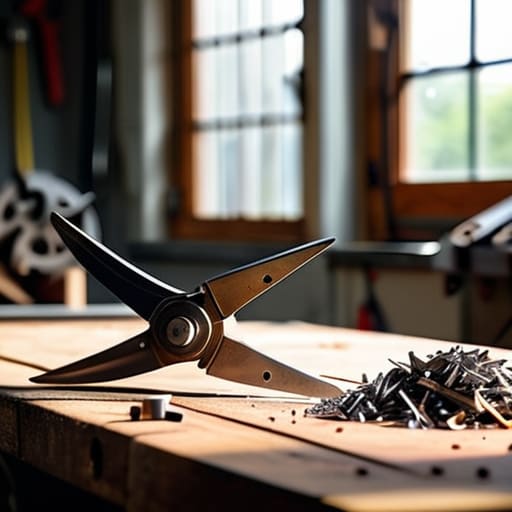
Now, before you start making a mess of your workbench, you need to decide whether you’re going to be wrestling with a tool in your hands or letting a machine do the heavy lifting. It’s the classic debate of handheld vs stationary metal cutters, and the right choice depends entirely on the job at hand. If you’re out in the yard trying to trim a piece of flashing or working in a tight corner where a bench can’t reach, a good pair of aviation snips or a portable angle grinder is going to be your best friend. But don’t go thinking handheld is always easier; you’ve got to have a steady hand, or you’ll end up with a jagged edge that’ll take you an hour to grind smooth.
On the other hand, if you’re setting up a proper shop, you’ll eventually want some industrial metal fabrication equipment anchored to your floor or bench. A heavy-duty chop saw or a band saw provides a level of stability that your arms just can’t mimic. When you’re cutting different metal thicknesses, especially thicker plate steel, you want that machine to take the vibration so you can focus on the line. Stationary tools give you the precision to make repeatable, clean cuts, whereas handheld gear is all about versatility and getting the job done where the metal happens to be.
The Best Blades for Cutting Steel Without Wasting Metal
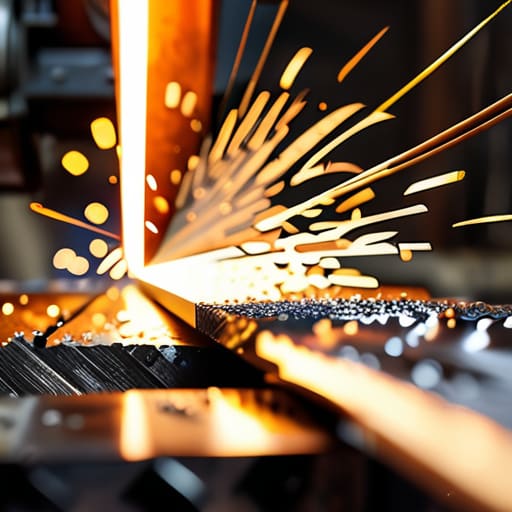
Now, let’s talk about what’s actually meeting the metal. You can have the finest machine in the shop, but if you’re running a dull or cheap blade, you’re just burning money and ruining your workpiece. When you’re looking for the best blades for cutting steel, don’t just grab whatever’s on sale at the big-box store. You need to match the tooth count and the material of the blade to the specific job at hand. If you’re working with thin-gauge sheet, a fine-toothed blade keeps things clean; if you’re tackling heavy structural beams, you need something with enough grit to bite without snapping.
I’ve seen too many young fellas try to rush through a job by forcing a blade through a thick plate, only to end up with a jagged, heat-warped mess. That’s not just bad craftsmanship; it’s a waste of good material. You have to understand the nuances of cutting different metal thicknesses to get a true, square edge. Take your time, watch your heat buildup, and remember that a high-quality carbide-tipped blade might cost more upfront, but it’ll pay for itself by keeping your cuts precise and your scrap pile small.
Five Ways to Stop Killing Your Blades and Wasting Your Steel
- Listen to the sound of the cut. If your saw or grinder starts screaming or high-pitched whining, you’re pushing too hard. A good cut should be a steady, rhythmic hum; if it sounds like it’s fighting you, back off the pressure and let the tool do the work.
- Keep your cooling steady. I’ve seen too many young fellas try to rush through a thick piece of mild steel without a drop of cutting oil or a steady stream of coolant. You’ll burn the tip of that blade right off, and then you’re just left holding a useless piece of scrap.
- Don’t ignore the grit. Just like I keep a bit of sandpaper in my pocket to smooth out a rough edge, you need to match your abrasive to the job. Using a coarse grit for fine finishing is a shortcut that’ll leave your workpiece scarred and ruined.
- Check your alignment before you pull the trigger. It takes ten seconds to make sure your workpiece is clamped square and your blade is true, but it takes ten minutes of frustration to fix a crooked cut. Measure twice, set once, and cut once.
- Respect the heat. Metal expands when it gets hot, and if you’re cutting fast and sloppy, that heat will warp your material or ruin the temper of your tool. Take your time, let the metal breathe, and remember that patience is just as important as the tool in your hand.
The Bottom Line on Cutting Right
Don’t go cheap on your blades just to save a few bucks at the hardware store; a dull or low-grade edge will fight you every step of the way and leave you with nothing but wasted scrap and a sore arm.
Match your tool to the job instead of trying to force one machine to do everything, because using a handheld grinder where a stationary saw belongs is a quick way to ruin a clean cut and lose your patience.
Take your time to measure twice and set your guides properly, because once that blade bites into the metal, you’re committed, and rushing the cut is how you end up with crooked edges that require more grinding than the original cut was worth.
The Cost of a Cheap Blade
A tool isn’t just a way to get from A to B; it’s the difference between a clean cut that respects the material and a jagged mess that forces you to start all over again. If you skimp on the blade, you’ll end up paying for it in wasted steel and sore hands.
Alistair Fenwick
Final Thoughts Before You Strike
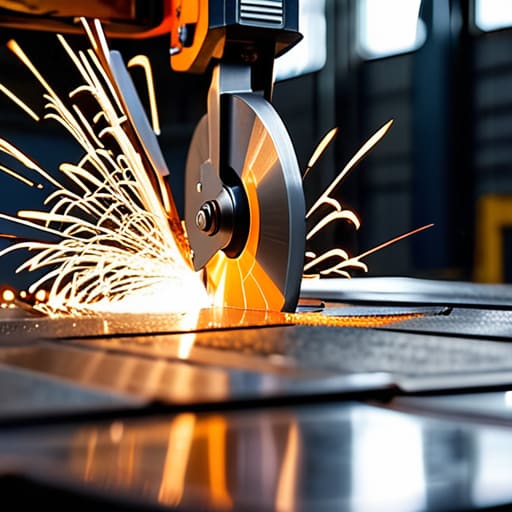
At the end of the day, whether you’re leaning on a heavy-duty stationary saw for your big industrial projects or grabbing a handheld grinder to tidy up a corner, the principle remains the same: your tools are only as good as the respect you show them. We’ve talked about choosing the right blades and understanding the difference between your stationary setups and your portable gear, but none of that matters if you try to force a cut that isn’t ready. Remember, using a blade that’s dull or a machine that’s poorly maintained isn’t just a waste of time; it’s a waste of good material that you can’t get back. Invest in the right kit, keep your edges sharp, and never rush the process just to get to the finish line faster.
I’ve spent more years than I care to admit watching folks make the mistake of buying the cheapest option available, only to end up frustrated and staring at a pile of scrap metal. There’s a quiet satisfaction that comes from making a clean, precise cut on your very first try, and that feeling only comes when you treat your workshop with the seriousness it deserves. Don’t just aim to finish the job; aim to master the craft. Build your toolkit with intention, keep your hands steady, and remember that we aren’t just cutting metal—we’re building things that last.
Frequently Asked Questions
How do I know when a blade is dull enough to be dangerous instead of just being ineffective?
You’ll know it’s time when you start fighting the metal instead of letting the tool do the work. If you’re leaning into the cut, sweating more than usual, or seeing jagged, uneven edges, that blade is done. The real danger, though, is when you try to force it. That’s when the tool slips or the blade snaps. If you’re pushing harder to get through the same thickness, put it down and sharpen it.
Is it worth investing in a heavy-duty chop saw for a home shop, or should I stick to a smaller angle grinder?
Look, if you’re just trimming a few bits of rebar once a year, an angle grinder is plenty. But if you’re planning on doing any real work—square cuts, repeatable lengths, or anything where precision actually matters—get the chop saw. An angle grinder is a beast for cleaning up edges, but it’ll never give you a straight, clean cut on a piece of structural steel. Invest in the saw; your patience (and your scrap pile) will thank you.
What’s the best way to keep my cutting edges from overheating and losing their temper during a long job?
You’ve got to respect the heat. If you see that steel turning a straw or blue color right at the edge, you’ve already gone too far. Slow your pace and let the tool breathe. I always keep a small spray bottle of coolant or even just a damp rag nearby. Taking a quick break to let the metal cool down isn’t “wasting time”—it’s making sure you don’t ruin a perfectly good blade.
