I remember one particular Tuesday back in ’84, standing over an anvil in a shop that smelled of coal smoke and old grease, watching a young apprentice try to force a bend in a piece of high-carbon steel that wasn’t nearly hot enough. He was sweating, cursing, and swinging that hammer like he was trying to kill a pest, completely ignoring the color of the glow. He thought he could muscle his way through the physics, but all he did was create a hairline fracture that ruined a week’s worth of work. That’s the trouble with how people look at metal forging these days; they think it’s about brute strength or fancy, expensive machinery, when in reality, it’s about listening to the metal and knowing exactly when to step back.
I’m not here to sell you on some high-tech, automated miracle or a list of overpriced gadgets you’ll never use. What I want to do is pass on the actual, grit-under-your-fingernails lessons I learned over forty years in the trade. I’m going to show you how to respect the heat, how to read the grain, and how to develop the patience required to do the job right the first time. We aren’t making disposable junk here; we’re learning to build things that actually last.
Table of Contents
Understanding Metallurgy and Grain Structure Over Quick Fixes
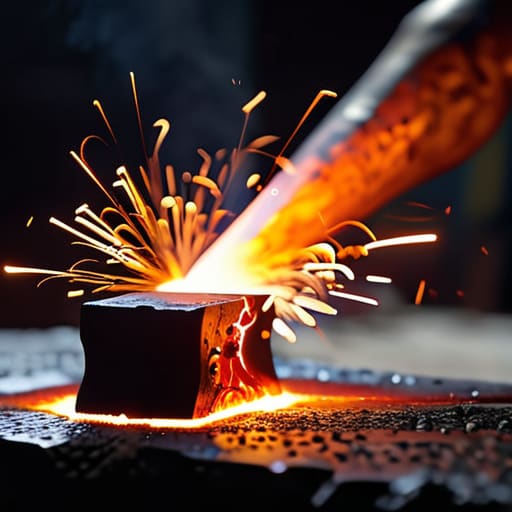
Now, if you’re just looking to bend a piece of iron into a shape that looks decent for a photo, you can skip the science. But if you want to understand why a tool snaps in your hand or why a blade holds an edge, you have to look deeper than the surface. You need to understand metallurgy and grain structure. When we work the metal, we aren’t just moving mass around; we are physically rearranging the microscopic crystals that make up the steel. If you hit it too hard when it’s too cold, or if you let it cool too fast without a proper soak, you’ll end up with a brittle mess that’s more trouble than it’s worth.
I’ve seen plenty of young fellas try to rush through a job using modern shortcuts, thinking they can bypass the fundamentals. They forget that forged steel properties are dictated by how you manage the heat cycles. Every time you strike the metal, you are refining that internal structure. You aren’t just shaping a tool; you are building its strength from the inside out. If you don’t respect the grain, the grain won’t respect you.
Forged Steel Properties That Last a Lifetime
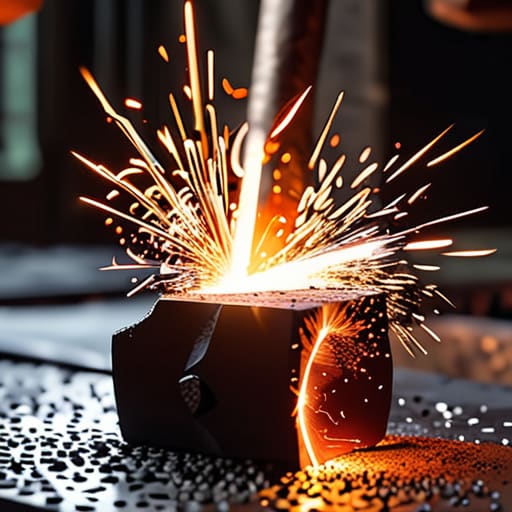
When you’re standing over the anvil, you aren’t just changing a shape; you’re rearranging the very soul of the material. The real reason we bother with the sweat and the heat is because of those specific forged steel properties that you simply can’t replicate with a casting or a cheap piece of machined stock. When you work the metal while it’s at the right temperature, you’re compressing the internal structure, closing up the microscopic voids that make lesser metals brittle. It’s about creating a piece that has integrity from the inside out, rather than just a hard surface that cracks the first time it’s put to real work.
I’ve seen plenty of youngsters try to skip steps, thinking they can just grind away a mistake, but you can’t grind away a poor grain flow. Whether you are using traditional blacksmithing techniques and tools in my garage or looking at massive industrial setups, the principle remains the same: the direction of the grain follows the shape of the tool. If you follow the contour of the piece, you end up with a tool or a component that can take a beating without snapping. That’s the difference between something that’s merely “made” and something that is truly built to endure.
Five Rules for Staying on the Right Side of the Anvil
- Watch your colors like a hawk. If you’re working steel, you need to know the difference between a cherry red and a bright orange, or you’ll find yourself working metal that’s too cold to move or too hot to hold its shape. Don’t guess; if the color isn’t right, stay off the anvil.
- Let the hammer do the heavy lifting. I see too many youngsters trying to muscle the metal with brute force, thinking they can beat it into submission. You don’t fight the steel; you work with its flow. A steady, rhythmic strike is always going to yield a better result than a frantic, heavy one.
- Keep your tools as sharp as your wits. A dull chisel or a rounded-off hammer face isn’t just an annoyance—it’s a recipe for a ruined workpiece. I spend more time maintaining my kit than I do actually forging, because you can’t do fine work with lazy tools.
- Don’t go chasing the quench too early. I’ve seen plenty of good projects crack because someone got impatient and threw a glowing piece into the oil before the internal structure had settled. Patience is just as much a tool as your tongs, so use it.
- Clean your scale as you go. If you let scale build up and get worked into the surface of your piece, you aren’t forging anymore—you’re just trapping impurities into the finish. Keep it clean, keep it smooth, and respect the surface of the metal.
The Bottom Line on Forging Right
Respect the grain structure of your steel; if you force a shape through improper heating or aggressive hammering, you’re just inviting cracks and failure down the road.
Invest your time in the preparation and the heat cycles rather than trying to rush to a finished product, because a piece built in haste is a piece built to break.
Aim for structural integrity over mere appearance, ensuring that the strength of the metal is consistent from the core all the way to the surface.
The Soul of the Steel
“You can’t argue with the physics of a hot billet; if you try to force the metal to go where it doesn’t want to, you’ll end up with internal stresses that’ll snap it clean in two when you least expect it. Real forging isn’t about dominating the material, it’s about working with its grain until the piece and the maker are on the same page.”
Alistair Fenwick
The Long View on the Anvil
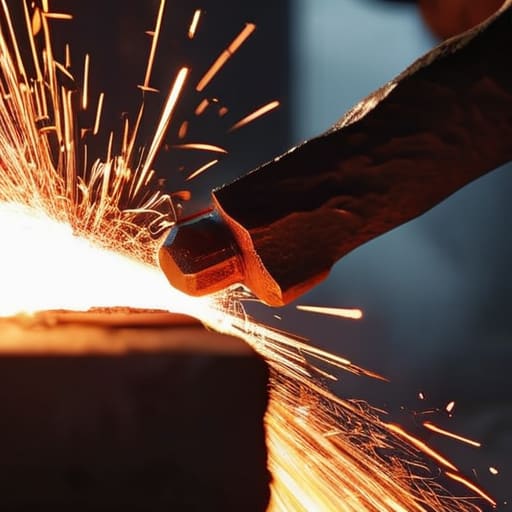
At the end of the day, forging isn’t just about hitting hot metal until it takes a shape you like. It’s about understanding how that steel reacts to the heat, how the grain flows under your hammer, and why you can’t afford to skip the tempering stage just to get to the pub early. We’ve talked about the importance of metallurgy and why the structural integrity of your work depends on respecting the material from the very first strike. If you try to bypass the fundamentals or rush through the cooling process, you aren’t making a tool; you’re just making scrap metal that’ll fail the first time it’s put to real work. Do the job right the first time, or don’t bother picking up the tongs at all.
I know the world outside my workshop is moving faster than ever, obsessed with things that are cheap, plastic, and destined for a landfill in six months. But there is a quiet, steady pride in standing behind something you made with your own two hands—something that can be repaired, maintained, and passed down to the next generation. When you master the forge, you aren’t just shaping iron; you’re preserving a standard of excellence that the modern world is all too quick to forget. So, keep your fire steady, keep your eyes sharp, and remember that true craftsmanship is measured in decades, not minutes.
Frequently Asked Questions
How do I know if I'm pushing the steel too far and risking a crack in the grain structure?
You’ll feel it before you see it. When you’re working, listen to the ring of the anvil; if that clear, musical strike turns into a dull, heavy thud, you’re working cold. If you see tiny, hair-like fractures appearing on the surface—what we call “checking”—stop immediately. That’s the steel screaming at you. Don’t try to hammer through it. Get it back to the heat, let it soak, and respect the grain, or you’ll end up with scrap.
What’s the best way to manage my heat cycles if I'm working in a small, home-setup forge?
If you’re working in a small home forge, you can’t afford to be reckless with your fuel. Don’t just blast the heat and hope for the best. You need a reliable infrared thermometer or a good set of color charts pinned right by your anvil. Watch those colors closely—don’t let the steel get too bright or you’ll burn the carbon right out of it. Slow, controlled cycles are better than a quick, messy heat that ruins your work.
Is it worth the extra effort to hand-forge a tool when modern industrial casting is so much faster and cheaper?
If you just need a cheap hammer to bang some nails, go buy the cast one. But if you’re looking for a tool that becomes an extension of your hand, you forge it. Casting is fast, sure, but it leaves you with internal voids and a brittle soul. Hand-forging allows you to direct the grain flow exactly where the stress will be. It’s the difference between a tool that breaks when you need it most and one that outlives you.
