I remember standing in a massive fabrication shop back in ’84, watching a young apprentice try to grind a bevel on a heavy steel plate while his table wobbled like a leaf in a gale. Every time his grinder bit into the metal, the whole setup danced across the floor, ruining his precision and nearly throwing him off balance. It’s a mistake I see far too often today: people spend thousands on high-end grinders and welding rigs, but they skimp on the one thing that actually holds the work—a proper metalworking workbench. If your foundation is flimsy, your craftsmanship will be too, no matter how expensive your tools are.
I’m not here to sell you some shiny, overpriced catalog piece that looks good in a showroom but fails the first time you strike an anvil. My goal is to show you how to identify, build, or buy a setup that is heavy enough to stay put when the real work begins. I’ll walk you through the essential specs—from plate thickness to leg stability—so you can stop fighting your furniture and start focusing on the metal. We’re going to talk about building something that actually lasts.
Table of Contents
The Truth About Heavy Gauge Steel Tops
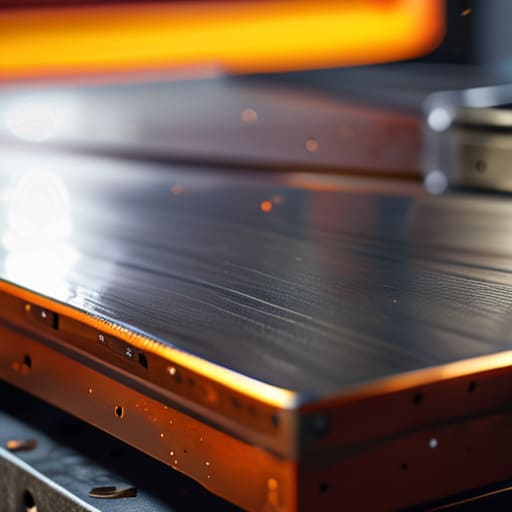
Now, when you start looking at catalogs, you’re going to see a lot of folks trying to sell you “heavy-duty” tables that are nothing more than thin sheet metal stretched over a hollow frame. Don’t fall for it. If you’re planning on doing any real work—especially if you’re incorporating a welding station design into your shop—you need thickness. I’m talking about real, honest-to-god heavy gauge steel tops. Anything less than a quarter-inch of solid plate is just going to warp the moment you apply concentrated heat or try to clamp down on a stubborn piece of stock.
A thin top might look fine in a glossy brochure, but it won’t hold up to the abuse of a lifetime of fabrication. You want a surface that offers true industrial workbench durability, something that can take a stray blow from a rounding hammer without denting like a tin can. When you invest in a proper steel fabrication table, you aren’t just buying a surface; you’re buying a stable, dead-flat foundation that won’t move an inch when the work gets heavy. It’s about buying it once and never having to replace it.
Why Industrial Workbench Durability Isnt Negotiable
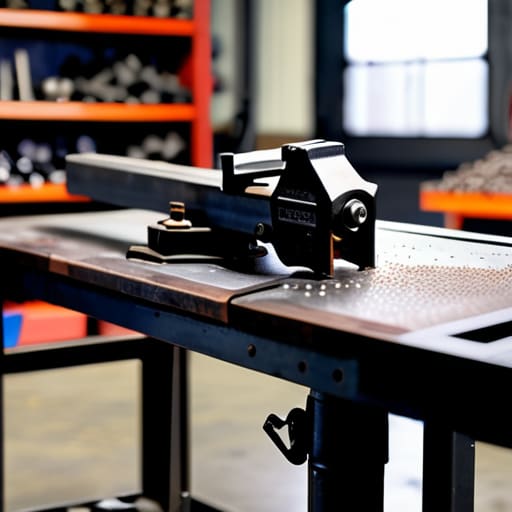
You see it all the time in the big-box stores: shiny, lightweight tables that look fine under the fluorescent lights but fold like a lawn chair the second you put a real load on them. If you’re serious about your craft, you have to understand that industrial workbench durability isn’t some luxury or a marketing buzzword; it’s a fundamental requirement. When you’re grinding down a rough edge or setting up a heavy vise, you need a surface that doesn’t shudder or walk across the floor. A bench that wobbles isn’t just annoying—it’s a safety hazard that ruins your precision and wastes your time.
When I was designing a custom steel fabrication table for a client last year, we didn’t focus on the aesthetics. We focused on mass and rigidity. You need something with enough heft to absorb the vibration from a hammer blow and enough stability to act as a true anchor for your work. Whether you are setting up a dedicated welding station or just a general-purpose shop bench, remember that your foundation dictates the quality of your finish. If the base is weak, the work will be too.
Five Rules for a Bench That Won't Give Out on You
- Stop looking at the price tag and start looking at the weight. If you can slide that workbench across the floor with one hand, it’s not a metalworking bench; it’s a piece of furniture. You need mass to absorb the vibration when you’re grinding or heavy hammering, otherwise, the whole thing will dance around your shop.
- Check your leveling before you even think about bolting anything down. A bench that isn’t dead-level is a headache waiting to happen, especially when you’re trying to square up a piece of stock or set up a vise. Get some heavy-duty leveling feet that can handle the load, and don’t settle for cheap plastic ones.
- Don’t skimp on the vise. A workbench is only as good as the grip it provides. I’ve seen too many fellas buy a beautiful steel top only to mount a flimsy, cast-aluminum vise that cracks the first time they try to bend a thick piece of rebar. Get a solid, forged steel vise and bolt it down tight.
- Think about your lighting and your reach. You don’t want to be leaning over a massive slab of steel just to see a fine weld or a hairline crack. Arrange your bench so you’ve got clear light coming from the sides, not just from overhead, and keep your most-used tools within an easy arm’s length.
- Plan for the mess. Metalworking is dirty work—swarf, filings, and sparks go everywhere. If your bench design doesn’t allow for easy cleanup or has built-in ways to catch the debris, you’ll spend more time sweeping than fabricating. A little foresight in the build saves a lot of scrubbing later.
The Bottom Line Before You Start Building
Stop looking for a bargain in the thin stuff; if the steel isn’t thick enough to resist bowing under a heavy vise, you’re just buying a very expensive shelf.
A workbench is the foundation of every project you’ll ever tackle, so invest in a frame that stays dead-still when you’re hammering or grinding.
Build for the work you actually do, not the work you think you might do one day—over-engineering is fine, but buying flimsy junk is a waste of good money.
The Foundation of Every Good Project
A workbench isn’t just a place to set your tools; it’s the anchor for every weld, cut, and grind you’ll ever make. If your bench wobbles when the hammer hits, you aren’t working—you’re just fighting your own equipment.
Alistair Fenwick
Setting Your Foundation
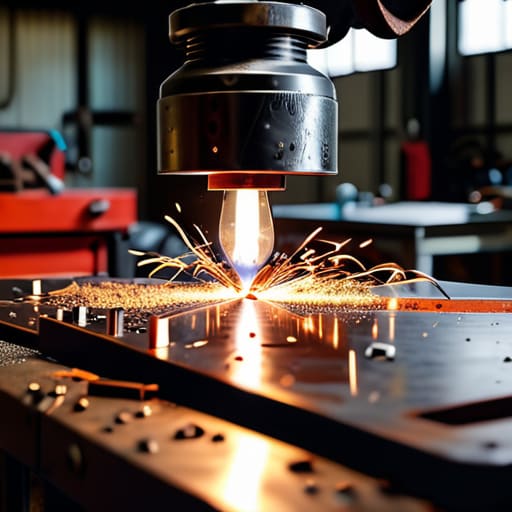
At the end of the day, choosing a workbench isn’t about finding the cheapest option on a catalog page or picking something that looks pretty in a showroom. It’s about understanding that your bench is the backbone of every weld, grind, and assembly you’ll ever perform. You’ve learned that a flimsy top will warp under heat, and if that base isn’t heavy enough to stay dead-still, you’re fighting the table instead of the metal. Invest in heavy-gauge steel and a frame that can handle the abuse, because a workbench that wobbles is nothing more than a waste of your time and energy.
I’ve spent forty years in shops, and I’ve seen plenty of men buy cheap, disposable setups only to end up replacing them six months later when the joints start to fail. Don’t be one of them. Build or buy something that feels permanent, something that becomes a part of the shop itself. When you stand over a solid, well-constructed bench, you’ll find you work with more confidence and more precision. Remember, we aren’t just making things; we are mastering a craft, and that starts with having a foundation you can actually trust.
Frequently Asked Questions
How thick does the steel actually need to be before I'm just wasting money on unnecessary weight?
Look, I’ve seen folks spend a fortune on quarter-inch plate when they only do light assembly, and I’ve seen guys struggle with thin, bouncy sheet that feels like a tin can. For most serious shop work, a 3/8″ steel top is your sweet spot. It’s got enough meat to take a hammer blow without bowing, but you aren’t paying for dead weight you’ll never use. Anything thinner and you’ll be fighting the table; anything thicker is just showing off.
Should I be looking for a bench that's bolted to the floor, or is a heavy enough frame sufficient for most shop work?
If you’re just doing light assembly or fine detail work, a heavy enough frame will hold its own. But if you’re planning on heavy grinding, hammer work, or anything that involves real force, you’ll want that bench bolted to the floor. A heavy bench is good, but a bench that can’t walk across the shop when you start working is better. Don’t fight your own equipment; build it to stay put.
Is it worth paying the premium for a built-in vise, or am I better off buying a high-quality standalone one?
If you’re asking me, save your money on the built-in setup. Most of those integrated vices are an afterthought—bolted on with mediocre hardware that’ll slip the moment you apply real pressure. Buy a high-quality standalone vise instead. You can mount it exactly where you need it, and when the jaws wear down or the screw gets sticky, you can replace it without scrapping the whole bench. Invest in the tool, not the furniture.
