I remember standing in a heavy fabrication shop back in ’84, watching a young apprentice spray a thick, glossy coat of cheap sealant over a pitted steel beam. He thought he’d solved the problem, but within six months, that moisture had been trapped right underneath the finish, eating the metal from the inside out. It’s the same nonsense I see today: people think they can just buy a fancy can of spray from the hardware store and call it a day. Real metal corrosion prevention isn’t about hiding the surface under a layer of shiny junk; it’s about understanding how the environment attacks the grain of the metal and respecting the prep work required to stop it.
I’m not here to sell you on expensive chemicals or complicated gadgets that belong in a laboratory. What I’m going to give you is the honest, hard-earned truth about how to actually protect your work. We’re going to talk about proper surface preparation, the right way to manage moisture, and why you should never, ever skip the cleaning stage. If you follow these steps, you’ll build things that stand the test of time instead of things that end up in a scrap heap before the decade is out.
Table of Contents
Mastering Surface Preparation for Coating Before the Hammer Falls
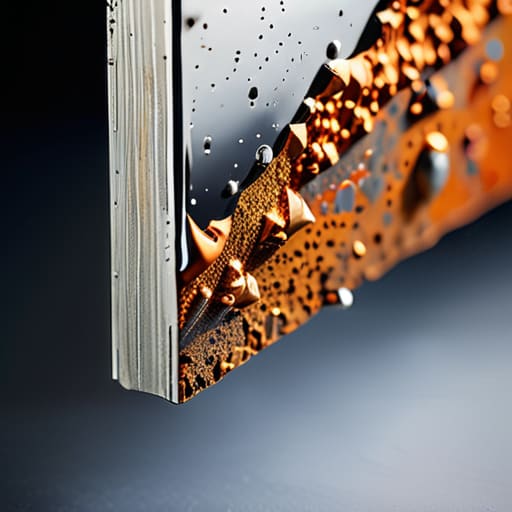
Now, listen close, because this is where most folks blow it. You can buy the most expensive industrial-grade primer on the market, but if you apply it over a layer of grit or old scale, you’re just painting a lie. You aren’t actually protecting the metal; you’re just sealing the decay underneath. Proper surface preparation for coating means you don’t stop cleaning until the steel feels smooth under your palm. I usually reach for my sandpaper or a wire wheel to get down to the bright, shiny substrate. If there’s even a hint of orange dust left in the pits, that rust is going to find its way under your finish before the week is out.
I’ve seen too many youngsters try to rush this stage to get to the “fun” part of the job. They skip the degreasing step or ignore the oil residue left from machining, and they pay for it later when the coating starts flaking off in sheets. You’ve got to treat the surface with respect. Whether you’re using mechanical abrasion or chemical cleaners, your goal is a chemically clean and physically sound foundation. If you don’t get the prep right, you’re just wasting good material and your own damn time.
Choosing Corrosion Resistant Materials That Wont Let You Down
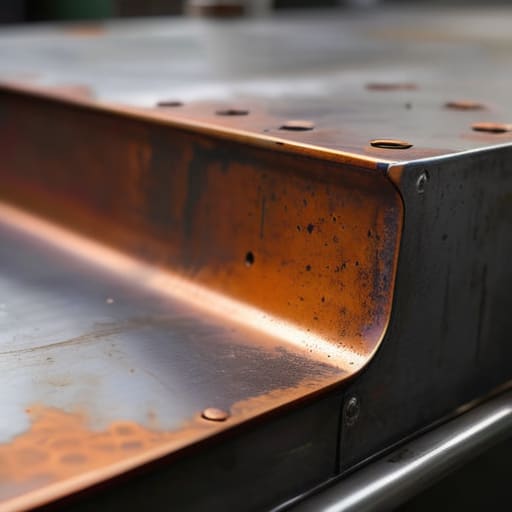
Now, before you even strike an arc or pick up a grinder, you need to think about what you’re actually working with. I’ve seen too many young fellas pick the cheapest mild steel they can find just to save a few bucks, only to come crying to me six months later when their project has turned into a pile of orange flakes. If you’re building something meant to live outdoors, you’ve got to select corrosion resistant materials from the jump. Stainless steel is the obvious choice, sure, but it can be a temperamental beast if you don’t know how to handle the heat. Sometimes, a high-quality carbon steel paired with the right treatment is a smarter, more practical way to go.
If you aren’t in a position to use specialty alloys, you’d better understand the environmental impact on metal degradation in your specific neck of the woods. Salt air near the coast will eat through standard iron like it’s nothing, whereas a dry workshop won’t be nearly as punishing. If you’re stuck with standard steel, look into the galvanization process explained in your local supplier’s handbook; getting that zinc coating applied properly is often the difference between a tool that lasts a lifetime and one that ends up in a scrap bin by next spring.
Five Rules of Thumb to Keep the Rust at Bay
- Don’t go easy on the cleaning. If you leave even a speck of old scale or grease under your new coating, you’re just sealing the rot inside. It’ll look fine for a week, but that corrosion will be working its way underneath before you’ve even put the tool back in the rack.
- Watch your environment like a hawk. If you’re storing your steel in a damp shed or near a salt-heavy coast, you’re fighting a losing battle. Keep your workshop dry and, if you can, get your finished pieces off the concrete floor; moisture loves to climb up from the ground.
- Get comfortable with sacrificial protection. Sometimes, the best way to save your good metal is to let something else take the hit. Using zinc-rich primers or even sacrificial anodes is an old trick, but it’s the only way to ensure the environment attacks the coating instead of your hard work.
- Keep a regular eye on your joints and seams. Rust loves a hiding place, and it almost always starts in the nooks, crannies, and weld beads where moisture gets trapped. Don’t wait for a hole to appear; check those tight spots every few months and touch up the finish if it looks thin.
- Stop neglecting your oils and waxes. For the tools and cast iron I work on, a thin, even layer of high-quality oil or a specialized wax is your best friend. It creates a physical barrier that the air can’t get through, and it’s a lot cheaper than replacing a ruined piece of equipment.
The Bottom Line on Keeping the Rust at Bay
Never underestimate the importance of a clean surface; if you leave even a speck of oil or old scale behind, your coating is nothing more than a temporary mask for the decay happening underneath.
Pick your metals with the end goal in mind, because choosing a material that’s too soft or poorly suited for the environment will just mean you’re fighting a losing battle against the elements from day one.
Slow down and do the prep work properly the first time, because rushing through the cleaning and sanding stages is the fastest way to ensure you’ll be redoing the entire job in six months.
## The Cost of Cutting Corners
“You can buy the most expensive coating on the market, but if you’re just painting over grit and old scale, you aren’t preventing rust—you’re just giving it a place to hide until it pushes your finish right off the metal.”
Alistair Fenwick
The Long Game
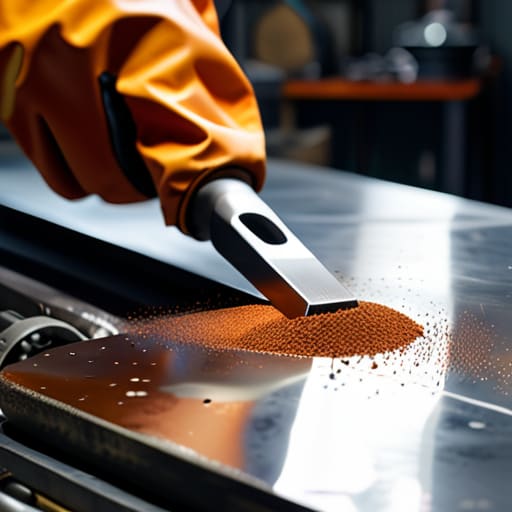
At the end of the day, preventing corrosion isn’t about finding a magic spray or a quick fix that you can apply in five minutes before lunch. It’s about the discipline of the process. You’ve got to respect the prep work, whether that means scouring away every speck of oxidation or making sure you’ve picked a material that actually belongs in the environment it’s going into. If you skimp on the surface preparation or ignore the chemistry of your coatings, you aren’t saving time; you’re just scheduling a future failure. Do it right the first time, from the substrate up, and you won’t find yourself fighting a losing battle against the elements six months down the line.
I’ve spent more years than I care to admit watching people throw away perfectly good steel simply because they were too impatient to treat it with a bit of care. We live in a world that’s increasingly obsessed with the “new” and the “disposable,” but there is a deep, quiet satisfaction in owning something that stands the test of time. When you take the time to protect your metalwork, you aren’t just maintaining an object; you are honoring the craft. So, take your time, keep your tools sharp, and remember that a job well done is measured by how little you have to touch it again in ten years.
Frequently Asked Questions
I've got an old cast-iron skillet with some deep pitting; can I actually save it, or is it a lost cause?
It’s rarely a lost cause, but you’ve got to be realistic. If that pitting is shallow, you can usually work it out with some heavy-duty abrasive work and a proper re-seasoning. But if the metal is compromised—meaning the holes go deep enough to weaken the structure—then you’re looking at a paperweight. Don’t try to sand away the soul of the piece; just clean it up, smooth the edges, and build that seasoning back up.
When I'm choosing between galvanized steel and stainless, how much more work am I really looking at in terms of long-term maintenance?
Look, if you want to set it and forget it, go with stainless. It’s more expensive upfront, but it’ll sit there and do its job without you constantly fussing over it. Galvanized is a solid, cheaper choice, but don’t fool yourself—that zinc coating is a sacrificial layer. Eventually, it’ll wear thin, and once the steel underneath starts to show, you’ll be back in the shop with a wire brush and more primer.
If I'm working in a damp garage, is a standard primer enough, or do I need to be looking at more heavy-duty industrial coatings?
If you’re working in a damp garage, a standard primer is a waste of your time and money. Moisture is the enemy, and it’ll find its way under a cheap coating faster than you can say “rust.” You need something with real teeth—look into an epoxy-based primer or a heavy-duty zinc-rich coating. It’s more work upfront, sure, but it’s better to do it right once than to be stripping rust off the same piece next month.
