I remember sitting in my old mentor’s shop back in the seventies, the air thick with the smell of ozone and burnt oil, watching him pick up a rusted, pitted hammer like it was made of gold. He didn’t care about the fancy, laser-etched branding you see in those glossy catalogs today; he cared about the balance in his hand and the weight of the strike. Nowadays, you walk into any big-box store and get hit with a wall of overpriced, plastic-handled junk that claims to be professional grade. It’s a racket. Most of these modern metalworking tools are designed to be replaced the moment a real job gets heavy, rather than being built to endure a lifetime of hard use.
I’m not here to sell you on some high-tech gadget that’ll break before the first frost. What I’m going to do is walk you through the essentials—the stuff that actually earns its place on your workbench. I’ll tell you which tools are worth every cent of your hard-earned money and which ones are just expensive clutter. We’re going to focus on the gear that respects the craft, ensuring you build a kit that stands up to the heat and the hammer.
Table of Contents
The Essential Metal Fabrication Equipment You Actually Need
You don’t need a floor-to-ceiling catalog of shiny new gadgets to start making something decent. Most of the fellas I see starting out make the mistake of buying every automated contraption they see on a late-night infomercial. Truth is, you can do a hell of a lot with a solid anvil, a heavy-duty vise, and a decent set of hand tools for blacksmithing that have some actual weight to them. If a tool feels light or hollow in your hand, it’s probably going to fail you when the heat is on. I’ve spent more time with a worn-out hammer that fits my grip perfectly than I ever have with a high-tech pneumatic setup.
Once you move past the basics of shaping, you have to worry about accuracy. You can hammer a piece into the right shape, but if your measurements are off by even a hair, the whole assembly is junk. This is where you invest your money—in precision measuring tools for metal like high-quality calipers and steel rules that won’t warp under temperature changes. Don’t settle for the cheap plastic stuff; it’ll give you a false reading, and by the time you realize it, you’ve already wasted a good piece of stock. Measure twice, cut once, and for heaven’s sake, check it a third time.
Precision Measuring Tools for Metal Dont Guess the Measure
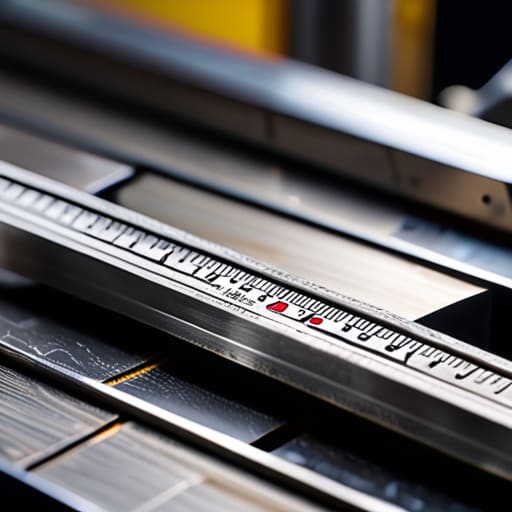
I’ve seen more projects ruined by a “close enough” measurement than by a bad weld. You can have the finest welding rig in the shop, but if your layout is off by even a sixteenth of an inch, you’re just wasting good steel and precious time. When I was working the floor in the heavy fab shops, we didn’t rely on “eyeing it.” You need a set of high-quality calipers and a solid steel rule that won’t bend under pressure. These aren’t just accessories; they are precision measuring tools for metal that dictate whether a part fits or becomes scrap.
Don’t go buying some cheap, plastic-bodied kit from a big-box store that’ll warp the first time it hits a warm workbench. Get yourself a machinist’s square that holds its edge and a vernier caliper you can actually trust. I always tell my apprentices that accuracy is the foundation of craftsmanship. If you can’t measure it precisely, you can’t cut it precisely, and you certainly won’t be able to join it. Take the time to calibrate your tools and keep them clean; a dirty scale is a liar, and a liar has no place in a proper workshop.
Five Rules for Keeping Your Tools from Failing You
- Treat your tools like they’re an extension of your own hands. If you toss a caliper into a drawer like it’s a piece of scrap, don’t come crying to me when your measurements are off by a sixteenth. Wipe them down, oil them, and put them back where they belong.
- Buy quality once, or buy cheap twice. I’ve seen too many fellas waste money on a bottom-shelf grinder that vibrates so much it’ll rattle the teeth right out of your head. Spend the extra twenty bucks for a tool that holds its edge and doesn’t fight you every time you pull the trigger.
- Never, and I mean never, use a tool for something it wasn’t built for. A screwdriver is not a chisel, and a pair of pliers is not a wrench. You start forcing a tool past its intended use, and you’ll either snap the steel or ruin the temper.
- Keep your cutting edges sharp. A dull blade or a worn-out drill bit doesn’t just make the job harder; it makes it dangerous. When you start leaning your whole body weight into a tool just to get it to bite, you’re asking for a slip that’ll land you in the clinic.
- Listen to the sound of the metal. A good craftsman learns the difference between the clean ring of a solid strike and the dull thud of a crack forming. If your tool starts making a sound that doesn’t sit right with you, stop immediately and check your work.
The Bottom Line Before You Strike
Invest in quality over quantity; one solid, well-made hammer or set of calipers is worth more than a dozen cheap, flimsy tools that’ll bend the moment you put real pressure on them.
Precision isn’t optional—if your measurements are off by even a hair, you’ll spend twice as much time grinding away mistakes as you would have spent doing it right the first time.
Respect your gear and your materials by never rushing the process, because the moment you try to take a shortcut to save time, you’re usually just inviting a ruined workpiece.
## On the Value of a Good Tool
A cheap tool is just a way to spend more money later; if you aren’t willing to invest in a hammer or a pair of calipers that can take a beating, you aren’t really working, you’re just playing around.
Alistair Fenwick
The Long View from the Workbench
At the end of the day, you don’t need a shop full of every shiny gadget the catalog tries to sell you. You just need the right foundation: heavy-duty fabrication gear that can take a beating, and measuring tools that don’t lie to you when you’re halfway through a cut. If you invest in quality equipment and learn to use it with discipline and patience, you won’t find yourself constantly replacing cheap, flimsy substitutes. Remember, a tool is only as good as the hands holding it, and even the best welder or grinder won’t save a job that was rushed or measured poorly. Respect the process, and your tools will respect you right back.
I’ve spent forty years watching people try to skip steps, only to end up with a pile of scrap metal and a wasted afternoon. My advice is simple: don’t be afraid to get your hands dirty, and don’t be afraid to slow down. There is a profound kind of satisfaction that comes from taking a raw piece of steel and turning it into something functional, something sturdy, and something that actually lasts. We live in a world that’s obsessed with the new and the disposable, but there’s a quiet dignity in building things that can be repaired, passed down, and relied upon. Build it right the first time, and you’ll never have to do the same job twice.
Frequently Asked Questions
Should I invest in a high-end welder right away, or is there a cheaper way to get started without buying junk?
Don’t go dropping a mortgage payment on a top-tier Miller or Lincoln just yet. You don’t need a fancy multi-process machine to learn the basics. Look for a decent, used flux-core welder or a simple stick welder from a reputable brand. It’ll be harder on your eyes and a bit messier, but it’ll teach you how to read the puddle and respect the arc. Buy used, but buy quality—avoid that cheap, unbranded junk from the big-box stores.
How do I know if a hand tool is actually made of decent steel or if it's just some cheap, soft metal that'll bend the first time I put some real pressure on it?
You can’t just trust a shiny finish; that’s how they get you. First, look at the weight. If it feels light, like a toy, it’s likely pot metal or low-grade alloy. Give it a tap with a small hammer—real tool steel has a bright, ringing resonance, not a dull thud. Finally, look for a file test. A decent tool should bite into a file; if the file just slides off like it’s hitting glass, the steel’s too soft.
What’s the best way to maintain my tools so they don't end up as nothing more than a pile of orange rust in the corner of my shop?
Rust is the slow death of a good workshop. If you leave your tools sitting damp or covered in sweat, you’re just inviting the orange rot to take hold. After a long session, wipe everything down with a clean rag. I always keep a thin coat of machine oil on my hand tools to seal out the moisture. A little bit of preventative care today saves you from a pile of scrap tomorrow.
