I remember standing in a massive industrial shop back in ’84, watching a kid spend three hours trying to find the “perfect” precision-machined gadget from a catalog just to fix a simple bracket. He was surrounded by shiny, overpriced junk that wouldn’t hold an edge if his life depended on it. Most folks these days think you need a computerized setup or a mountain of debt to get decent results, but they’ve got it backwards. When it comes to selecting the right hand tools for metal, you don’t need a showroom full of gadgets; you need a few honest pieces of steel that won’t fail you when the work gets heavy.
I’m not here to sell you on the latest high-tech nonsense or anything that’s designed to break the moment it hits a real workpiece. My goal is to walk you through the essentials—the kind of gear that earns its place in your chest through years of hard use. I’ll show you what actually matters when you’re shaping, cutting, or smoothing, and more importantly, how to use them without wasting material. We’re going to focus on the fundamentals so you can build things that actually last.
Table of Contents
Building Your Metalworking Tool Kit Essentials
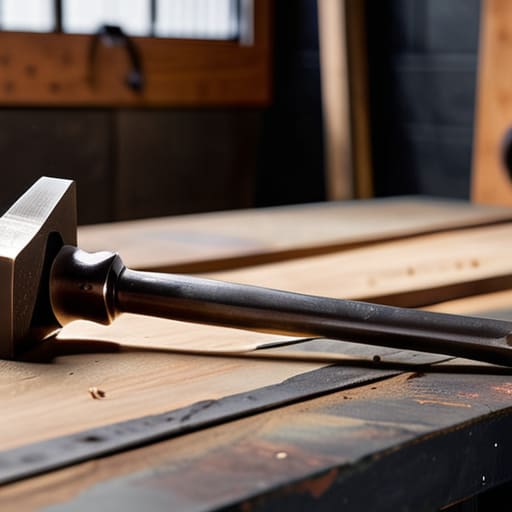
When you’re first setting up a bench, it’s easy to get blinded by the shiny catalogs and start buying every gadget that promises a shortcut. Resist that urge. You don’t need a mountain of specialized gear to start; you need a foundation of quality. My advice is to focus on your metalworking tool kit essentials by prioritizing durability over price. I’d much rather have one well-balanced ball-peen hammer that fits my grip perfectly than a cheap set of ten that vibrates your teeth loose after twenty minutes of work.
You also can’t afford to guess when it comes to dimensions. In my forty years, I’ve seen more scrap metal produced by “eyeballing it” than by any other mistake. Investing in decent precision measuring tools for metal, like a hardened steel rule or a reliable set of calipers, is non-negotiable. If your measurements are off by a hair at the start, that error is going to grow every time you strike the metal. Get the right tools early, and you won’t spend your afternoon filing down mistakes you never should have made in the first place.
Precision Measuring Tools for Metal Measure Twice Waste Never
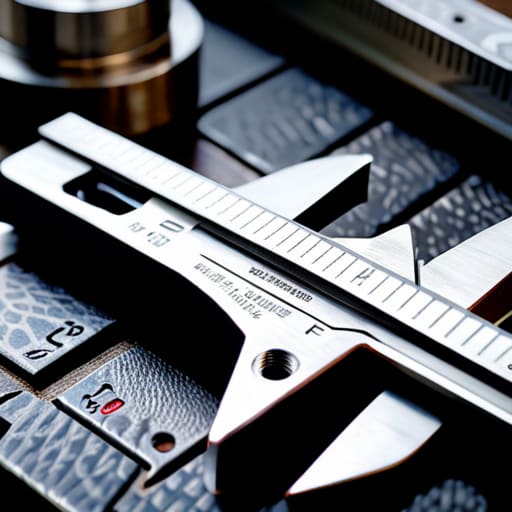
You can have the finest anvil or the sharpest saw in the shop, but if your measurements are off by even a hair, you’re just making expensive scrap metal. I’ve seen many a young apprentice ruin a perfectly good piece of steel because they trusted a cheap, stamped ruler instead of a proper tool. When you’re working with something as unforgiving as metal, you need precision measuring tools for metal that won’t bend or slip when the pressure is on. I always keep a set of stainless steel calipers and a solid machinist’s square within arm’s reach; they aren’t just suggestions, they are the difference between a part that fits and a part that goes in the bin.
Don’t bother with those plastic tapes you find at the big-box hardware stores; they expand and contract with the temperature, and that’s a recipe for disaster. If you’re serious about your craft, invest in a decent micrometer and a vernier caliper. These are the true staples of any professional metalworking supplies kit. Take your time with the reading. If you find yourself guessing, stop. Put the tool down, wipe the scale clean, and check it again. In this workshop, we don’t guess—we know.
Five Rules for Keeping Your Tools as Sharp as Your Skills
- Don’t go buying the flashiest, most expensive kit just because it looks good in a showroom. A tool is only as good as the hand holding it, so start with solid, mid-range steel and learn how they feel in your palm before you go chasing professional-grade sets.
- Treat your files like they’re made of glass. I’ve seen too many young lads using a fine-tooth file to pry something loose or using it like a screwdriver; you’ll ruin the teeth in a heartbeat, and once those teeth are gone, the tool is nothing but a heavy stick of scrap.
- Keep your edges clean and your surfaces smooth. I always keep a bit of sandpaper in my pocket for a reason—if you leave a burr on a piece of metal because you were too lazy to deburr it properly, you’re just setting yourself up for a mistake later on.
- Respect the temper of your tools. If you’re heating something up, make sure you aren’t accidentally softening the steel of your pliers or your hammers in the process; once you lose that heat treatment, you’ve lost the soul of the tool.
- Clean your tools after every single session. Metal dust and workshop grime are patient killers; they’ll find their way into the pivot points of your calipers or the teeth of your saws and grind them down if you don’t take five minutes to wipe them clean and apply a thin coat of oil.
The Craftsman's Bottom Line
Invest in quality over quantity; one well-forged hammer that fits your hand is worth more than a cheap set of ten that’ll bend or slip when the work gets heavy.
Never trust a measurement you haven’t verified twice, because once you cut or grind the metal, there’s no such thing as “fixing it later” without wasting the material.
Respect the tools as much as the metal, and keep them clean and sharp, or they’ll eventually fail you right when you’re in the middle of a critical cut.
The Soul of the Shop
A fancy power tool might save you twenty minutes, but it won’t teach you how the metal wants to move. You learn the true character of your work through the weight of a hammer and the steady pull of a file; if you don’t develop that feel in your hands, you’re just making noise, not making something that lasts.
Alistair Fenwick
The Long Road to Mastery
At the end of the day, your workbench is only as good as the tools you choose to respect. We’ve walked through the necessity of having a solid foundation—from the heavy-duty hammers and files that shape the metal, to the precision calipers and squares that ensure your measurements aren’t just guesses. You don’t need a shop full of expensive, flashing gadgets that promise a quick fix; you need a curated kit of reliable, honest tools that can withstand a lifetime of use. Remember, a tool is an extension of your own hand, and if you treat it with care, it’ll never fail you when the heat is high and the tolerances are tight.
Don’t let the sheer scale of a project intimidate you. Every master fabricator I ever worked with started exactly where you are, probably making a few more mistakes than they’d care to admit. The goal isn’t to reach perfection on your first weld or your first grind; the goal is to develop the patience and discipline to do the job right the first time. Metalwork is a slow conversation between you and the material. Listen to what the steel is telling you, keep your edges smooth, and never be in such a hurry that you forget to respect the craft. Now, get to work.
Frequently Asked Questions
Should I invest in high-end professional brands right away, or is it better to start with decent mid-range tools while I'm still learning the ropes?
Look, I’ve seen plenty of beginners blow their entire budget on a set of top-shelf calipers they don’t know how to calibrate yet. Don’t do that. Start with decent, mid-range tools—the kind that won’t snap the first time you put some real pressure on them. You need tools that work, not trophies. Once you’ve developed the muscle memory and actually understand why a certain tool matters, that’s when you earn the right to invest in the professional stuff.
When it comes to files, is there a real difference between a cheap set and a quality one, or am I just paying for a name on the handle?
Listen, I’ve seen plenty of fellas waste an afternoon fighting a cheap file that’s more gummed up than it is cutting. You aren’t just paying for a name; you’re paying for the temper of the steel and the consistency of the teeth. A cheap file will dull before you’ve even finished your first bevel, and then you’re just rubbing dead metal against your workpiece. Buy quality. A good file stays sharp and cuts true.
How do I know if a tool is actually well-made or just looks the part, especially when I'm buying used gear at estate sales or flea markets?
You can’t trust a shiny finish, especially with the junk they pump out these days. When you’re digging through a flea market bin, pick up the tool first. A well-made piece has a balance to it that feels intentional, not clumsy. Look for forged markings rather than stamped ones, and check the steel—if it’s pitted deep or feels brittle, leave it. If the handles are loose or the geometry feels off, it’s just scrap metal.
