I remember standing in a shop back in ’84, watching a kid try to patch a fender with nothing but cheap body filler and a prayer, thinking he could just sand away the evidence of a bad job. The smell of grinding dust and burnt resin was thick enough to chew on, and it broke my heart to see such a waste of a perfectly good chassis. People today think automotive metal repair is just about slapping some putty over a dent and calling it a day, but that’s not fixing anything—that’s just hiding the truth. If you don’t respect the structural integrity of the steel, you’re just building a ticking time bomb of rust and regret.
I’m not here to sell you on some fancy, overpriced gadget or a “quick-fix” miracle product that ends up in a landfill by next season. My goal is to teach you how to actually work the material with the patience it deserves. I’ll show you the honest, grit-under-the-fingernails methods for true automotive metal repair, from heat management to proper hammer work. We’re going to do this the right way, ensuring that whatever you fix stays fixed for the long haul.
Table of Contents
Honoring Structural Integrity of Car Panels Over Cheap Fixes
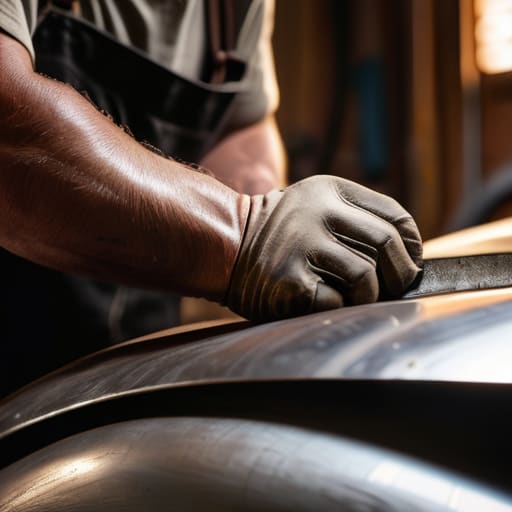
When you’re staring at a crumpled fender or a door skin that’s seen better days, the temptation is to grab a tub of body filler and start smoothing it over. I’ve seen enough “quick fixes” in my forty years to know that filler is just a mask for laziness. If you use it to hide a deep crease instead of actually working the metal back to its original shape, you aren’t repairing anything—you’re just decorating a failure. Real auto body dent repair requires you to respect the memory of the steel; you have to coax it back into form using heat and steady pressure, rather than just burying your mistakes under a layer of plastic.
The real danger lies in compromising the structural integrity of car panels by cutting too much away or welding poorly. A car isn’t just a collection of pretty surfaces; it’s a frame designed to manage energy. If you start hacking out sections of metal without understanding how they support the rest of the body, you’re building a death trap. You need to focus on retaining as much of the original material as possible through proper metal fabrication for cars, ensuring that the strength of the panel remains intact long after you’ve finished the job.
Effective Rust Remediation for Vehicles That Demand Longevity
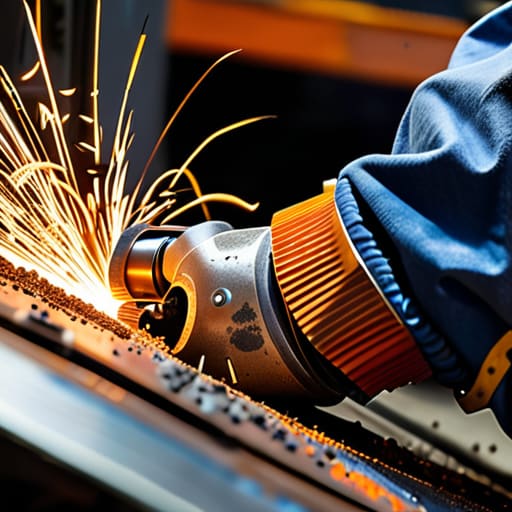
Now, let’s talk about the real enemy of any machine: oxidation. Most folks see a bit of surface scale and think a quick spray of some canned chemical sealer will do the trick. That’s a mistake that’ll cost you twice as much in the long run. If you want real rust remediation for vehicles that actually holds up, you have to get down to the bone. I’ve seen too many people try to paint over rot, only to have the metal crumble away six months later. You need to grind back until you hit bright, clean steel. If the metal is pitted deep or the structural integrity is compromised, stop trying to save it with filler. You can’t patch a hole that’s been eating the foundation of the panel.
When the rot is too deep for a simple sander, you have to step up to proper metal fabrication for cars. That means cutting out the diseased section entirely and welding in a fresh patch of steel. It’s more work, and it takes more patience, but it’s the only way to ensure that repair isn’t just a temporary mask. Don’t be afraid of the welder; be afraid of a job done halfway.
Five Rules to Live By Before You Pick Up the Welder
- Stop reaching for the Bondo. I’ve seen too many folks try to mask bad metalwork with thick layers of polyester filler, thinking they can just sand it smooth and call it a day. If the panel isn’t straight, you fix the metal first. Filler is for the tiny imperfections, not for building a shape that isn’t there.
- Watch your heat soak. When you’re welding a thin automotive panel, it’s easy to get impatient and keep the arc in one spot too long. You’ll warp that sheet faster than you can say “scrap heap.” Use your tacks wisely and move around; let the metal breathe so you aren’t fighting a wave in the steel later.
- Cleanliness isn’t optional; it’s the foundation. I don’t care how good your technique is—if there’s a speck of grease, old paint, or even a hint of oxidation in that joint, your weld is going to be porous and weak. Grind it back to bright, shiny metal every single time.
- Don’t fear the hammer, but respect it. If you’re using a dolly and a hammer to shape a dent, you need to feel the metal through the tool. If you strike too hard or too fast, you’ll thin the material out until it’s brittle. It’s about controlled, rhythmic taps, not brute force.
- Always prep for the environment. Once you’ve finished your repair, you’ve got to seal that metal against the elements immediately. Leaving raw steel exposed to the humidity in a garage is just asking for the rust to come back and claim its territory. Treat the metal right, and it’ll treat you right.
The Bottom Line on Doing It Right
Stop trying to hide the damage with filler; if you haven’t addressed the underlying metal or the rust beneath, you’re just painting a lie that’ll flake off in six months.
Respect the heat and the tools, because forcing a panel into shape without the right technique is the fastest way to thin out the steel and ruin its structural strength.
Take the extra time to prep your surfaces properly, because a repair is only as good as the foundation you build it on—shortcuts are just expensive ways to do the job twice.
## The Cost of a Shortcut
“You can slap a bit of body filler over a rusted-out patch and call it a day if you want a quick fix, but that ain’t repair—it’s just hiding a lie. Real metalwork means addressing the rot at the root and shaping the steel until it’s right, because a car held together by patience and proper heat will outlive any job done with a rush and a prayer.”
Alistair Fenwick
The Long View on Metalwork
At the end of the day, fixing a car isn’t just about patching a hole or slapping some filler over a dent to make it look decent under a coat of cheap paint. We’ve talked about why you can’t ignore the structural bones of a panel and why you have to treat rust like a disease that needs to be excavated, not just covered up. If you skip the prep work or try to cheat the heat during a weld, you aren’t actually repairing the vehicle; you’re just delaying the inevitable. Real automotive metal repair requires you to respect the material, follow the proper sequence, and never prioritize speed over substance.
I know it’s tempting to grab the easiest tool in the box and call it a day, especially when the work gets tedious and your hands get tired. But there is a deep, quiet satisfaction in knowing that when you pull that car out of the garage, the metal underneath is as solid as the day it rolled off the line. We aren’t just fixing machines; we are preserving history and fighting back against a culture that wants everything to be disposable. Take your time, trust your eyes, and remember that a job done right the first time is the only way to truly honor the craft.
Frequently Asked Questions
When is a patch job actually a permanent fix, and when am I just masking a structural problem that's going to come back?
A patch job is only permanent if you’ve addressed the root cause. If you’re welding a new piece of steel into a cavity you’ve thoroughly cleaned and treated, that’s a repair. But if you’re just slapping a bit of metal over a soft, crumbling edge to make it look straight, you’re just masking a rot that’ll eat through your work in a year. If the metal underneath isn’t solid, your patch is just a bandage on a broken bone.
How do I know if I've heated the surrounding panel too much and risked warping the metal beyond repair?
You’ll know you’ve pushed it too far when the metal starts to look “tired”—it’ll lose that crisp, factory-pressed character and start to sag or ripple. If you see the surrounding area losing its tension or notice a subtle, wavy distortion that wasn’t there before, you’ve overheated it. It’s a gut feeling, too; if the metal feels soft and won’t hold its shape under a light hammer tap, you’ve cooked the temper right out of it.
Is it worth investing in high-end welding equipment for a hobbyist, or can I get a proper, lasting bond with basic tools if I've got the patience?
Look, you don’t need a thousand-dollar rig to make a decent bead, but you do need a machine that won’t flicker out on you mid-weld. A cheap, hobbyist welder often lacks the stability required for clean penetration, and that’s where you run into trouble. If you’ve got the patience and a steady hand, a solid mid-range setup is plenty. Don’t chase the shiny gadgets; just buy gear that respects the metal.
