I remember the first time I saw a young apprentice try to use a high-end plasma cutter to whip through a thick plate of mild steel like he was cutting butter through toast. He was moving so fast, trying to show off for the shop foreman, that the arc was dancing all over the place, leaving behind a jagged, slag-heavy mess that looked more like a saw cut than a professional job. That’s the problem with most folks these days; they think having a piece of expensive gear means the machine does the thinking for you. But plasma cutting isn’t about speed or flashy lights; it’s about the steady hand and the discipline to respect the arc.
I’m not here to sell you on some overpriced, computerized setup that promises to do your job for you. What I want to do is show you how to actually master the torch so you can stop wasting good material and start producing parts that hold their edge. I’ll walk you through the real-world grit of setting your air pressure, managing your travel speed, and reading the puddle, because if you don’t learn the fundamentals of the craft, you’re just making expensive scrap metal.
Table of Contents
- Understanding Ionized Gas Properties Before You Strike
- Dont Waste Material Choosing the Right Metal Thickness Cutting Capacity
- Five Ways to Keep Your Cuts Clean and Your Consumables Lasting
- The Bottom Line Before You Pull the Trigger
- ## Respect the Arc
- Final Thoughts Before You Pull the Trigger
- Frequently Asked Questions
Understanding Ionized Gas Properties Before You Strike
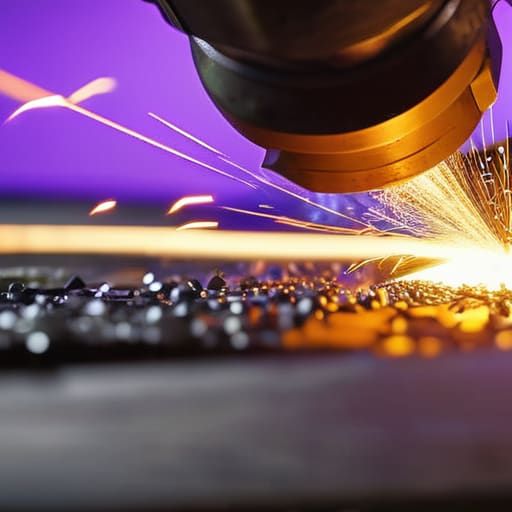
Before you even reach for the trigger, you need to wrap your head around what’s actually happening inside that torch. We aren’t just blowing air at a piece of steel; we are using arc plasma technology to turn a gas into a superheated, electrically conductive stream. When that gas hits the arc, it becomes ionized, meaning it’s no longer just a gas, but a concentrated jet of energy capable of melting through metal in a heartbeat. If you don’t respect the physics of those ionized gas properties, you’ll find yourself fighting the machine instead of working with it.
I’ve seen too many young guys walk into a shop, turn on the power, and wonder why their cuts look like jagged messes. A lot of that comes down to not understanding how the gas pressure and the electrical arc interact to maintain a stable stream. If your pressure is off, or if your plasma cutter consumables are worn down to the nub, that ionized stream will wobble. A wobbly arc means a messy, slag-heavy cut that’ll take you twice as long to grind smooth. Get the science straight first, and the metal will follow.
Dont Waste Material Choosing the Right Metal Thickness Cutting Capacity
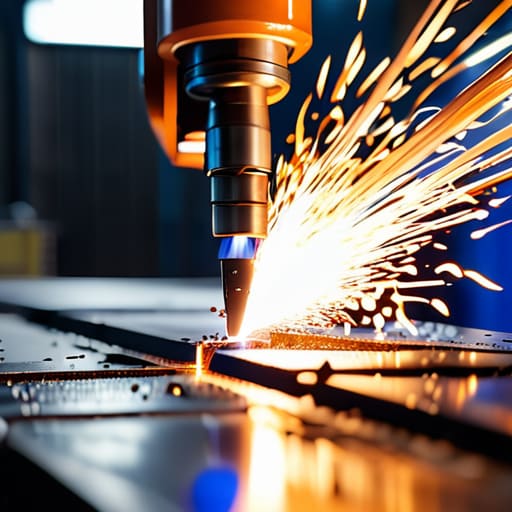
Look, I’ve seen too many young fellas walk into a shop, buy the cheapest unit they can find, and then spend the whole afternoon cursing when they can’t get through a piece of 1/2-inch plate. You have to respect the metal thickness cutting capacity of your machine before you even even plug it in. Every cutter has its limits, and if you try to force a thin torch through heavy steel, you aren’t just making a mess—you’re burning through your plasma cutter consumables at an alarming rate.
It isn’t just about whether the arc can bite into the metal; it’s about the quality of the edge you’re left with. If you’re pushing a machine past its intended range, you’ll end up with a massive amount of dross that’ll take you twice as long to grind off later. I always tell my apprentices: if the machine is struggling, stop. It’s better to invest in the right capacity from the start than to spend your entire weekend playing catch-up with a grinder because you tried to save a few bucks on a low-output unit.
Five Ways to Keep Your Cuts Clean and Your Consumables Lasting
- Watch your standoff distance like a hawk; if you’re hovering too far or jamming the nozzle into the workpiece, you’re going to burn through your electrodes before you’ve even finished the first pass.
- Keep your air supply bone-dry, because even a tiny bit of moisture in those lines will turn your clean cut into a jagged, oxidized mess and ruin your expensive consumables in a heartbeat.
- Don’t treat the torch like a jigsaw; you’ve got to maintain a consistent travel speed, because if you linger too long in one spot, you’ll blow a hole right through the plate and waste the material.
- Always check your ground clamp connection before you start; a loose or dirty ground causes an unstable arc, and an unstable arc is just a fast way to turn a good piece of steel into a pile of scrap.
- Listen to the sound of the arc—a steady, crisp hiss tells you everything is dialed in, but if it starts sputtering or sounding uneven, stop what you’re doing and check your tip before you do any real damage.
The Bottom Line Before You Pull the Trigger
Stop treating the torch like a magic wand; you have to respect the physics of the ionized gas or you’ll spend more time grinding down dross than actually cutting.
Check your metal thickness twice before you even even plug the machine in, because trying to force a cut through material that’s too thick is just a fast way to ruin a good piece of steel and a perfectly good consumable.
Slow down and watch your travel speed, because if you rush the cut just to save five minutes, you’re going to end up with a scrap pile instead of a part that actually works.
## Respect the Arc
“A plasma cutter isn’t a magic wand that’ll slice through anything you point it at; it’s a tool that demands you understand your settings. If you treat the arc like it’s doing all the thinking for you, you’ll spend more time grinding down jagged edges than you would have spent just doing the job right the first time.”
Alistair Fenwick
Final Thoughts Before You Pull the Trigger
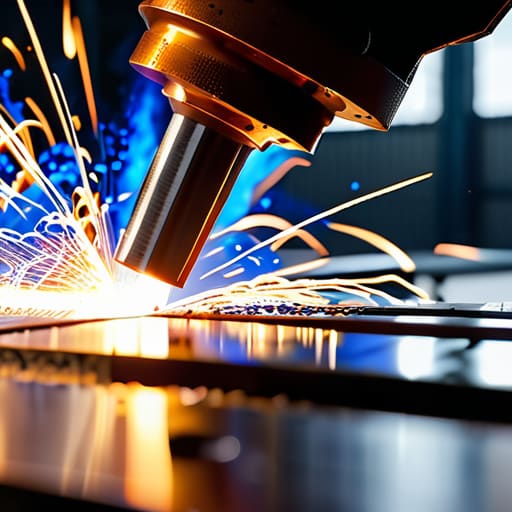
At the end of the day, mastering the plasma cutter isn’t about how fast you can zip through a sheet of mild steel; it’s about respect for the physics involved. You’ve got to respect the ionization process, keep a steady hand on the torch, and most importantly, never try to force a cut on material that’s too thick for your machine’s capacity. If you ignore the settings or rush the travel speed, you aren’t saving time—you’re just creating a pile of slag and wasted metal that’ll end up in the scrap bin. Stick to what we talked about, watch your gas pressure, and listen to the sound of the arc; it’ll tell you more about your cut than any digital readout ever could.
I’ve seen plenty of folks walk into a shop, buy the flashiest new rig, and still produce nothing but junk because they lacked the patience to learn the fundamentals. Don’t be one of them. Real craftsmanship is built on the small, repetitive wins—the perfect bevel, the clean edge, and the knowledge that you did it right the first time. Take this tool, treat it with care, and use it to build something that actually matters. Whether you’re repairing an old farm gate or fabricating a custom bracket, do it with intention, and you’ll find that the metal starts to work with you instead of against you.
Frequently Asked Questions
How do I stop the torch from blowing out when I'm trying to cut through thicker plate?
If that torch starts blowing out on thick plate, you’re likely moving too fast or your air pressure is dropping. When you hit heavy steel, the arc needs more “oomph” to stay stable. Check your regulator first—ensure you’ve got a steady, high-volume flow of clean, dry air. Also, slow your travel speed down. If you rush it, the arc can’t keep up with the melt, and that’s when you lose the flame entirely.
Is it worth spending the extra coin on a machine with a pilot arc, or can I get by with a basic setup?
Look, if you’re just planning to cut straight sheet metal on a flat table, you might get by with a basic setup. But if you’re planning to do any real work—cutting around curves, working on odd angles, or even just starting a cut on a thick piece of scrap—you’ll want that pilot arc. It lets you strike the arc without touching the metal, which saves your consumables and stops you from scarring your workpiece. It’s worth the extra coin.
What's the best way to clean up the dross so I'm not spending all day with a grinder?
If you’re spending half your afternoon fighting a grinder, you’re doing something wrong with your setup. Most of that headache comes from dross that’s stuck on like concrete because your air pressure is inconsistent or your travel speed is off. Tighten up your settings and watch your arc stability. If the slag is heavy, use a chipping hammer first to knock the bulk off. Save the grinder for the final smoothing, not the heavy lifting.
