I remember sitting in my first apprenticeship, my hands stinging from a misplaced strike, watching an old foreman pick up a tool that looked like it had been through a war and come out better for it. Most folks today think they need some high-tech, ergonomic, titanium-alloy gadget to get decent results, but that’s just more expensive nonsense designed to thin your wallet. They spend a fortune on fancy marketing when the truth is, most of those modern metal-working hammers are built with the same “disposable” mindset as a cheap plastic toy. If a tool can’t withstand a decade of heat and heavy striking, it has no business being on your workbench.
I’m not here to sell you on the latest trend or some overpriced brand name that looks good in a catalog. What I want to do is sit you down and show you how to identify a tool that actually has some soul and substance behind it. I’ll be sharing the straight truth about weight, balance, and handle materials based on forty years of hitting steel. We’re going to focus on finding the right tools that you can actually rely on, so you can stop wasting material and start building things that actually last.
Table of Contents
Mastering Blacksmithing Tool Selection for the Long Haul
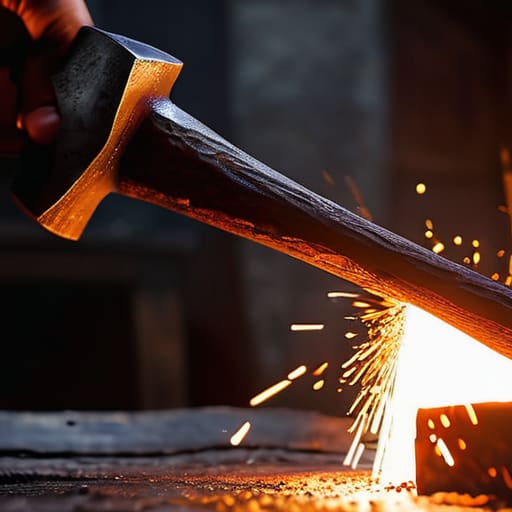
When you’re standing at the anvil, your choice of tool isn’t just a preference—it’s the difference between a clean bend and a ruined piece of stock. Proper blacksmithing tool selection starts with understanding the weight and the balance of what’s in your hand. I’ve seen too many young folks pick up a heavy sledge thinking it’ll do the work for them, only to find they’ve lost all control and bruised their wrists by lunch. You need to match the tool to the task; a heavy cross-peen is your workhorse for heavy drawing, but if you’re trying to refine a delicate curve, you’ll want something with a bit more finesse.
It’s also worth noting that not all steel is created equal when it comes to hammer head materials. If you’re working on something precious, like an antique piece I might be restoring, you can’t just swing a hardened tool without thinking about the impact. You have to respect the physics of the strike. Whether you’re utilizing various forging hammer types or just a standard rounding hammer, remember that the tool is an extension of your arm. If the balance is off, your technique will suffer, and once your technique goes, the metal will show every mistake you make.
Why Hammer Head Materials Determine Your Success
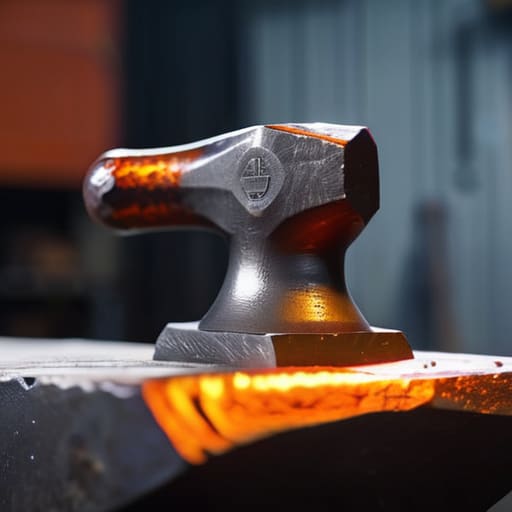
You can’t just pick a hammer because it looks good on a tool rack; you have to understand what’s actually going on inside that steel. When you’re looking at different hammer head materials, you’re really deciding how much control you have over the metal. For instance, a high-carbon steel head is your bread and butter for heavy-duty work. It’s got the density to deliver a clean, decisive blow, which is vital when you’re practicing specific metal shaping techniques that require a precise strike. If the steel is too soft, you’ll just end up mushrooming the face of your tool, and a deformed hammer is a dangerous, useless piece of junk.
On the flip side, you’ll occasionally run into softer materials like brass or copper if you’re doing delicate finishing work. These are great for preventing marring, but don’t go thinking they can replace your heavy hitters. In the world of blacksmithing tool selection, knowing when to use a hardened steel face versus something softer is the difference between a professional finish and a ruined workpiece. If you don’t respect the hardness of your striking tool, you’re just fighting against your own equipment instead of working with the metal.
Five Rules for Not Wasting Your Time (or Your Steel)
- Get the weight right for the job at hand. I’ve seen too many young fellas try to swing a two-pound sledge when they should be using a lighter cross-peen. If you’re fighting the tool instead of the metal, you’re going to end up with a sore wrist and a ruined workpiece.
- Check your handles every single time you step into the shop. A loose head is a recipe for a trip to the emergency room, and a cracked wooden handle tells you it’s time to retire that tool. Don’t be stubborn; if the handle feels soft or gives under pressure, swap it out.
- Match the face to the finish you’re after. If you’re doing fine detail work or shaping delicate pieces, you want a smooth, polished face. If you start using a pitted, beat-up hammer on something that needs to be pretty, you’re just tattooing mistakes into the metal.
- Learn to feel the vibration through the grip. A good hammer should feel like an extension of your arm, not like you’re holding a vibrating jackhammer. If the shock is traveling straight up into your elbow, your technique is off or your tool is poorly balanced.
- Stop treating your hammers like junk. I don’t care if it’s a tool or a piece of art—keep the faces clean and the handles oiled. A bit of maintenance goes a long way in ensuring that when you reach for a tool, it actually performs the way it’s supposed to.
The Bottom Line on Your Hammer Selection
Stop chasing the lowest price tag; a hammer is an extension of your arm, and a cheap, poorly balanced piece of steel will only end up causing more fatigue and ruined work.
Match the hammer head to the specific job at hand, whether it’s the heavy strike needed for shaping or the delicate touch required for fine finishing, because using the wrong tool is just a shortcut to a headache.
Invest in quality materials like high-carbon steel that can withstand years of heavy use, because if you’re building things to last, your tools ought to do the same.
## The Soul of the Strike
A hammer isn’t just a piece of steel on a stick; it’s an extension of your own arm. If you pick up a tool that’s poorly balanced or made of cheap, brittle scrap, you aren’t just fighting the metal—you’re fighting yourself, and the metal always wins in the end.
Alistair Fenwick
Respect the Tool, Respect the Craft
At the end of the day, choosing a hammer isn’t about finding the flashiest tool in the catalog or the one with the most ergonomic rubber grip that’ll just degrade in five years. It’s about understanding the physics of what you’re doing. You’ve got to match the weight of the head to the scale of your work, and you absolutely cannot ignore how the material of that head interacts with your workpiece. Whether you’re swinging a heavy cross-peen for heavy shaping or a lighter ball-peen for delicate finishing, remember that the hammer is an extension of your own arm. If you skimp on quality now, you’ll pay for it in ruined steel and wasted effort later.
I’ve spent forty years watching folks rush through a job, thinking they can make up for a poor tool with sheer force. They can’t. A good hammer, properly balanced and well-maintained, becomes a partner in your workshop. It settles into your hand and tells you exactly when the metal is ready to move. Don’t just buy tools to check a box; invest in pieces that have the soul to outlast you. Take your time, learn the rhythm of the strike, and build something that actually matters. If you treat your tools with respect, they’ll never let you down when the heat is high and the work gets tough.
Frequently Asked Questions
How do I know if a hammer's handle is actually suited for long days of striking, or if it's just going to give me blisters and wrist fatigue?
Listen, a handle isn’t just a stick; it’s the bridge between your strength and the steel. If you’re grabbing something with a cheap, plastic grip or a handle that’s too thin, you’re asking for a trip to the doctor. Look for high-quality hickory—it’s got the natural “give” to soak up those vibrations. If the weight feels unbalanced or the grip feels slick, put it back. A good handle should feel like an extension of your arm, not a punishment.
Is it worth spending the extra money on a forged steel head, or can I get away with a cheaper casting for basic repair work?
Look, if you’re just tapping a loose screw or doing light hobby work, a casting might get you through the afternoon. But if you’re doing real repair work, buy the forged head. A casting is brittle; one heavy strike on a hard surface and you might find yourself staring at a chunk of metal that’s cracked or chipped. Forged steel is honest work. It holds its shape and won’t fail you when the job gets heavy.
When am I going to reach the point where I need to stop using a standard ball-peen and start looking into specialized rounding or cross-peen hammers?
You’ll know it’s time when you start fighting your tools instead of working with them. If you’re trying to draw out metal in a specific direction and find yourself constantly chasing the shape with a ball-peen, you’re just wasting heat and effort. Once you move past basic shaping and start needing to control the flow of the steel—like lengthening a taper or smoothing a specific radius—that’s when you pick up a cross-peen.
