I remember sitting in my first apprenticeship, my hands shaking slightly as I tried to smooth out a jagged edge on a piece of scrap steel. My mentor didn’t hand me some fancy, computerized measuring tool; he just tossed a worn-out bastard file onto my workbench and told me to feel the metal. Most folks these days think they can just buy a cheap, soft-as-butter set of metal files from a big-box retailer and call it a day. They end up fighting the tool more than the workpiece, wasting half their afternoon because they bought something designed for a hobbyist rather than a craftsman.
I’m not here to sell you on some overpriced, gold-plated brand name that promises the moon. My goal is to cut through the noise and tell you exactly what you need to know about selecting tools that actually hold an edge when the work gets heavy. I’ll show you how to spot a quality cut, how to match the tooth to the job, and why a properly maintained file is worth more than a whole drawer of junk. We’re going to do this the right way, so you can stop fighting your tools and start mastering your craft.
Table of Contents
Understanding Carbon Steel File Grades and Quality
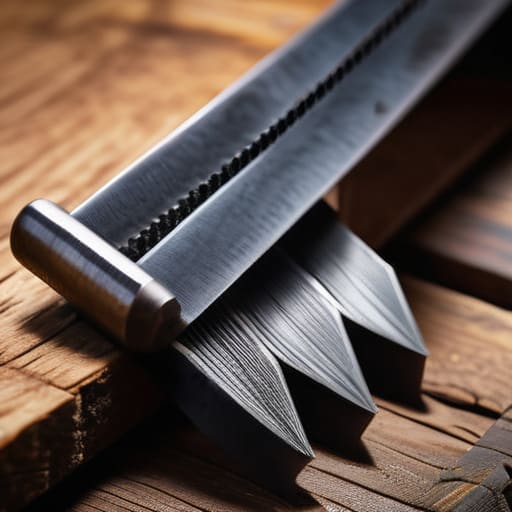
When you’re standing at the bench, you need to know exactly what kind of steel you’re working with. Most of the cheap, soft stuff you find in a big-box store kit will dull before you’ve even finished your first pass. You want to look for high-quality carbon steel file grades that can actually hold an edge under pressure. A decent tool should feel substantial in your hand, not like a toy. If the steel is too soft, the teeth will roll over, and you’ll find yourself fighting the metal instead of shaping it.
The next thing to get straight is the tooth geometry. You’ll often hear people debating bastard cut vs smooth cut, and it’s not just a matter of preference—it’s about the job at hand. I use a bastard cut when I need to move a lot of material quickly, but if I’m finishing a surface or doing some fine honing and deburring metal, I switch to a finer grade. Each one has a specific job, and trying to use a coarse tool for a delicate finish is a quick way to ruin a perfectly good workpiece.
Deciphering Cut Density of Metal Files for Real Work
Now, don’t go picking a file just because it feels heavy in your hand. You need to look closely at the teeth. The cut density of metal files tells you exactly what kind of fight you’re in for. If you’re staring down a chunk of raw, uneven stock, you want something aggressive. A bastard cut is your best friend for heavy stock removal; it’s got those deep, coarse teeth designed to eat through material quickly. It’s not pretty work, and it’s definitely not for fine finishing, but it gets the bulk of the job done so you aren’t sweating for hours over a single inch of steel.
Once you’ve gotten the shape roughly where it needs to be, that’s when you switch gears. You move toward a smooth cut to clean up those deep ridges left behind by the coarse stuff. If you try to jump straight to a fine finish with a heavy file, you’ll just end up with a surface full of scratches that’ll take you twice as long to sand out later. Respect the progression of the tool, and you’ll save your knuckles and your patience.
Five Rules for Keeping Your Files from Becoming Paperweights
- Stop using your files on hardened steel unless you’ve got the right grade of tool. If you try to file a piece of tool steel that’s harder than the file itself, you aren’t cutting metal—you’re just grinding your teeth away and ruining a perfectly good file in the process.
- Clean your teeth regularly with a proper file card. I see too many young fellas letting metal chips get packed into the cuts; that’s a fast way to scratch the very surface you’re trying to smooth out, and once you’ve scarred a piece, there’s no easy way to undo it.
- Watch your pressure. A file isn’t a saw; you don’t want to be leaning your whole body weight into the stroke. Use long, steady, even strokes and let the tool do the work. If you force it, you’ll end up with an uneven surface that’ll take you twice as long to fix later.
- Always file in one direction. I’ve seen people scrubbing back and forth like they’re scrubbing a kitchen floor, but that just dulls the teeth and wastes your effort. Push forward, lift slightly on the return, and keep that rhythm steady.
- Keep them dry and oiled. Metal files are prone to rust if you leave them sitting in a damp workshop overnight. Wipe them down with a bit of light oil before you put them back in the drawer; a rusted file is nothing more than a very expensive piece of scrap metal.
The Bottom Line on Choosing Your Files
Don’t get cheaped out by a bargain bin; if the steel isn’t high-quality carbon, the teeth will dull before you’ve even made a dent in your workpiece.
Match the cut to the job every single time—using a coarse bastard file when you need a fine finish is just a fast way to ruin a good piece of metal.
Respect the tool by cleaning it often and storing it properly, because a file is only as good as the edge it maintains.
The Truth About the Tangible Edge
A cheap file is nothing more than a glorified piece of scrap metal that’ll dull before you’ve even finished your first pass; if you aren’t willing to invest in a tool that holds its bite, you’re just wasting your time and your sweat.
Alistair Fenwick
Putting the File to Work
At the end of the day, choosing a file isn’t about picking the one that looks the shinest in the catalog; it’s about understanding the marriage between the steel grade and the specific cut you need for the job at hand. If you ignore the carbon content, you’ll find your teeth dulling before you’ve even finished the first pass, and if you grab a coarse bastard cut when a smooth mill cut was required, you’re just inviting unnecessary rework. Take the time to match the tool to the material, whether you’re squaring up a piece of structural steel or refining the edge of a delicate antique tool. Remember, a file is an extension of your hand, and using the wrong grade is just a slow way of wasting your own time.
I’ve seen plenty of young folks walk into a shop and try to force a tool to do something it wasn’t built for, thinking they can just muscle through the resistance. That’s not how we do things here. Real craftsmanship comes from knowing your tools so well that you don’t have to second-guess them once the work begins. Treat your files with respect—clean them often, oil them when needed, and never let them sit in a damp corner to rust. If you invest in quality and learn the nuances of the craft, you aren’t just buying a piece of metal; you are building a foundation for a lifetime of work that actually lasts.
Frequently Asked Questions
How can I tell if a file is actually high-carbon steel or just cheap, soft metal that'll go dull after two strokes?
Look, you can’t always trust the stamp on the tang, so you’ve got to use your senses. A real high-carbon file has a distinct, bright ring when you tap it against a hard surface—not a dull thud. More importantly, feel the teeth. If they feel soft or “mushy” against a piece of scrap, walk away. A quality file should bite deep and hold its edge even when you’re working through something stubborn.
Is it worth spending the extra money on a professional-grade file, or will a budget version get the job done for home repairs?
Look, if you’re just smoothing a burr off a piece of scrap once a year, a cheap file from the big-box store will get you through. But if you’re doing real work—shaping something that matters—buy the professional grade. Budget files use inferior steel that dulls the moment it hits anything harder than mild aluminum. You’ll spend more time regrinding a bad file than you would have spent just saving up for a good one.
When I'm working on something delicate, like a restored antique, how do I prevent the file from leaving deep scratches that I can't get out later?
When you’re working on something precious, stop thinking about the file as a way to remove metal and start thinking about it as a way to shape it. Switch to a fine-cut bastard file or, better yet, a smooth taper. Most importantly, keep your strokes light and consistent. Don’t lean into it like you’re trying to flatten a rusted bracket. If you feel yourself pressing hard, you’ve already gone too far.
