I remember standing in a massive industrial fabrication shop back in ’84, watching a young apprentice try to force a cheap, flimsy hacksaw through a thick piece of angle iron. The blade buckled, the teeth stripped, and he ended up swearing at a piece of scrap that wasn’t even worth the effort. It’s the same thing I see today in the big-box stores: aisles lined with flimsy, plastic-handled metal saws that are designed to break the moment you actually put some muscle into them. People think they’re saving a few dollars, but they’re really just buying frustration and wasting good steel.
I’m not here to sell you on the latest overpriced power tool that’ll be in a landfill by next Christmas. What I want to do is show you how to identify a saw that actually has some backbone and how to maintain it so it serves you for decades. I’ll be sharing the honest, straight-to-the-point truth about what makes a blade hold an edge and which manual and powered options are actually worth your hard-earned money. We’re going to focus on tools that respect the craft.
Table of Contents
Handheld vs Power Metal Saws Finding Your Working Rhythm
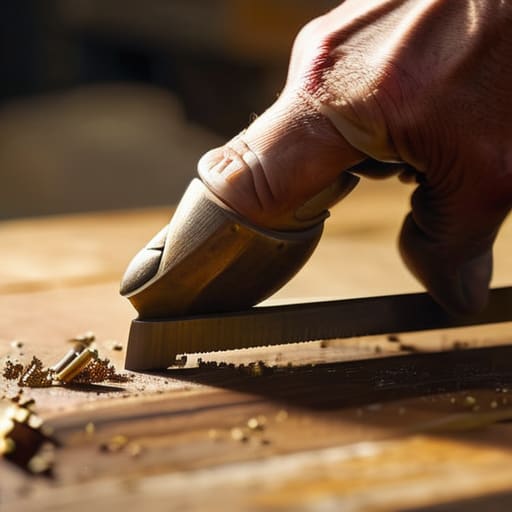
Now, you’ve got to decide whether you’re going to sweat through a manual cut or pull the trigger on a motor. In my shop, it isn’t about which one is “better,” but about understanding the rhythm of the job. If you’re just trimming a small piece of brass or making a single, delicate adjustment on a delicate restoration, reach for a hacksaw. There’s a certain tactile feedback you get with a hand tool that tells you exactly when the blade is biting too hard or starting to wander. It forces you to slow down and respect the material, which is half the battle in metalworking.
On the other hand, if you’re facing a thick length of structural steel, trying to do it by hand is just a quick way to burn yourself out and end up with a crooked edge. That’s when you bring out the heavy hitters. When weighing handheld vs power metal saws, remember that speed is a double-edged sword. A reciprocating saw or a portable band saw will save your back, but if you don’t control the tension, you’ll ruin a perfectly good piece of stock in seconds. It’s about choosing the right tool for the task, not just the easiest one.
Mastering Types of Metal Cutting Tools Without Cutting Corners
When you start looking into the various types of metal cutting tools available, it’s easy to get blinded by the shiny new gadgets at the big-box stores. I’ve seen plenty of young fellas walk into a shop thinking a high-end band saw will do all the thinking for them. But a tool is only as good as the hand guiding it. Whether you’re using a hacksaw for a delicate repair or a heavy-duty chop saw for structural beams, you need to respect the material. If you try to force a blade through high-carbon steel like it’s soft pine, you’re going to end up with a ruined edge and a wasted afternoon.
The real secret to clean lines isn’t just about the machine; it’s about selecting the best saw blades for steel that match your specific project. A blade with too many teeth might clog with heat and gall the metal, while one with too few will chatter and leave a jagged mess. I always tell my apprentices: watch your speed and listen to the sound. If the metal starts screaming, you’re pushing too hard. Slow down, check your lubrication, and let the tool do the work.
Five Rules for Keeping Your Blades Sharp and Your Cuts True
- Stop trying to force the cut. If you’re leaning your whole weight into a bandsaw or a hacksaw, you’re doing it wrong. Let the teeth do the work; if you push too hard, you’ll just overheat the steel and ruin the temper of your blade.
- Change your blades before they fail you. I’ve seen too many fellas try to limp a dull blade through a thick piece of angle iron just to save a few cents. You’ll end up with a jagged, heat-discolored mess that’ll take twice as long to grind smooth later.
- Secure your workpiece like your life depends on it. A piece of metal that vibrates or shifts while you’re sawing isn’t just a nuisance—it’s a recipe for a snapped blade and a trip to the emergency room. Use heavy-duty clamps and make sure that stock isn’t going anywhere.
- Watch your speed and your heat. Whether you’re using a reciprocating saw or a chop saw, if you see the metal turning blue or straw-colored, you’re running too fast or not using enough cutting fluid. That heat is the enemy of a clean edge.
- Clean your machine after every session. Metal chips and fine dust are like grit in a wound; they get into the gears and the adjustment mechanisms, wearing them down piece by piece. Take five minutes at the end of the day to brush it out and oil the moving parts.
The Bottom Line Before You Start Cutting
Stop looking for the fastest way to get through a piece of steel; instead, pick the tool that gives you the most control so you don’t end up with a jagged mess that’s more work to fix than the original cut was worth.
Don’t let a dull blade or a poorly maintained motor dictate your work—keep your saws sharp and your equipment serviced, or you’ll just be fighting the tool instead of the metal.
Invest in quality over convenience, because a decent saw that you know how to maintain will outlast five cheap plastic versions that’ll end up in a landfill before the year is out.
The Cost of a Quick Cut
A cheap saw might save you twenty bucks today, but it’ll cost you a week of frustration and a pile of ruined stock tomorrow; if you aren’t willing to invest in a blade that holds its edge, you aren’t cutting metal, you’re just fighting it.
Alistair Fenwick
Putting the Blade to Work
At the end of the day, whether you’re reaching for a fine-toothed hacksaw for a delicate repair or firing up a heavy-duty band saw for a larger project, the principle remains the same: respect the tool and respect the material. You’ve looked at the differences between handheld precision and the raw power of electric saws, and you’ve learned that there’s no such thing as a “one size fits all” approach in a real workshop. Choosing the right saw isn’t about buying the most expensive piece of kit on the shelf; it’s about understanding the physics of the cut you’re about to make. If you pick the wrong blade or rush a heavy cut with a tool that isn’t up to the task, you aren’t just wasting time—you’re wasting good steel.
I’ve spent forty years watching folks try to bypass the fundamentals, and I’ll tell you this: the skill is in your hands, not just the motor of your machine. A saw is just an extension of your intent, and if you approach your work with patience and a steady eye, you’ll find a rhythm that makes the metal yield to you rather than fighting against you. Don’t be afraid to get your hands dirty and learn the temperament of your tools through trial and error. Build things that are meant to endure, maintain your gear like it’s your own livelihood, and remember that a job done right the first time is the only way to truly honor the craft.
Frequently Asked Questions
How do I know when a blade is truly spent and actually needs replacing instead of just being pushed too hard?
You’ll know it’s time when the metal starts fighting you. If you’re leaning into the cut or seeing a cloud of fine, burnt-smelling dust instead of clean chips, that blade is done. Watch for heat buildup; if the workpiece is getting hot too fast, your teeth aren’t doing the work—friction is. Don’t try to muscle through it. Pushing a dull blade just ruins the steel and your patience. Swap it out.
Is it worth spending the extra coin on a high-end hacksaw frame, or can I get the job done with a cheap one from the hardware store?
Listen, if you’re just cutting a piece of rebar once a year, a cheap frame will get you through. But if you’re doing real work, buy the high-end frame. Those hardware store models are often made of flimsy, thin-walled tubing that flexes under pressure. When the frame bows, your blade wanders, and you end up with a crooked cut and a wasted piece of steel. Invest in a heavy, rigid frame—it pays for itself in precision.
What’s the best way to keep my saw blades from rusting up when they've been sitting in the shop for a few months?
Don’t just leave them bare in the drawer; that’s asking for trouble. Once you’ve wiped the metal dust off, coat the blades in a thin layer of machine oil or a dedicated rust preventative. I usually keep a rag soaked in light mineral oil nearby. If you’re short on time, even a quick wipe with some WD-40 will do, but a proper oil film is what keeps the moisture from eating your steel while you aren’t looking.
